
Hello Poetry Lovers
Welcome back to the talk show studio for talented poets! (Frenzied cheering from the audience) 
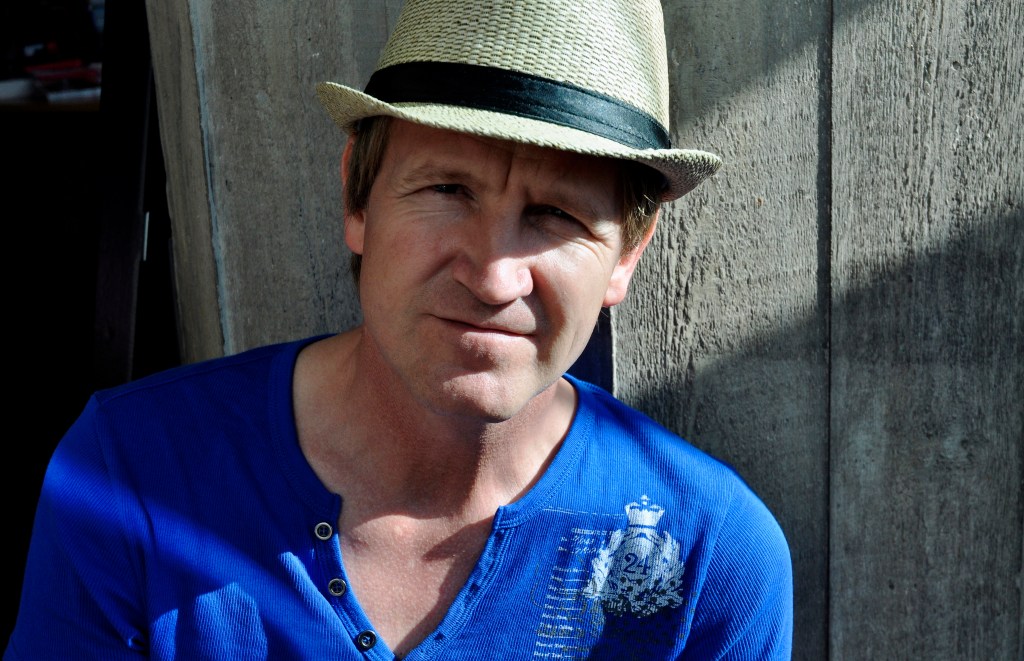
Now, settle down PL’s because we’re welcoming Steve Tasane….(Ecstatic applause as our guest glides elegantly down the lit staircase)
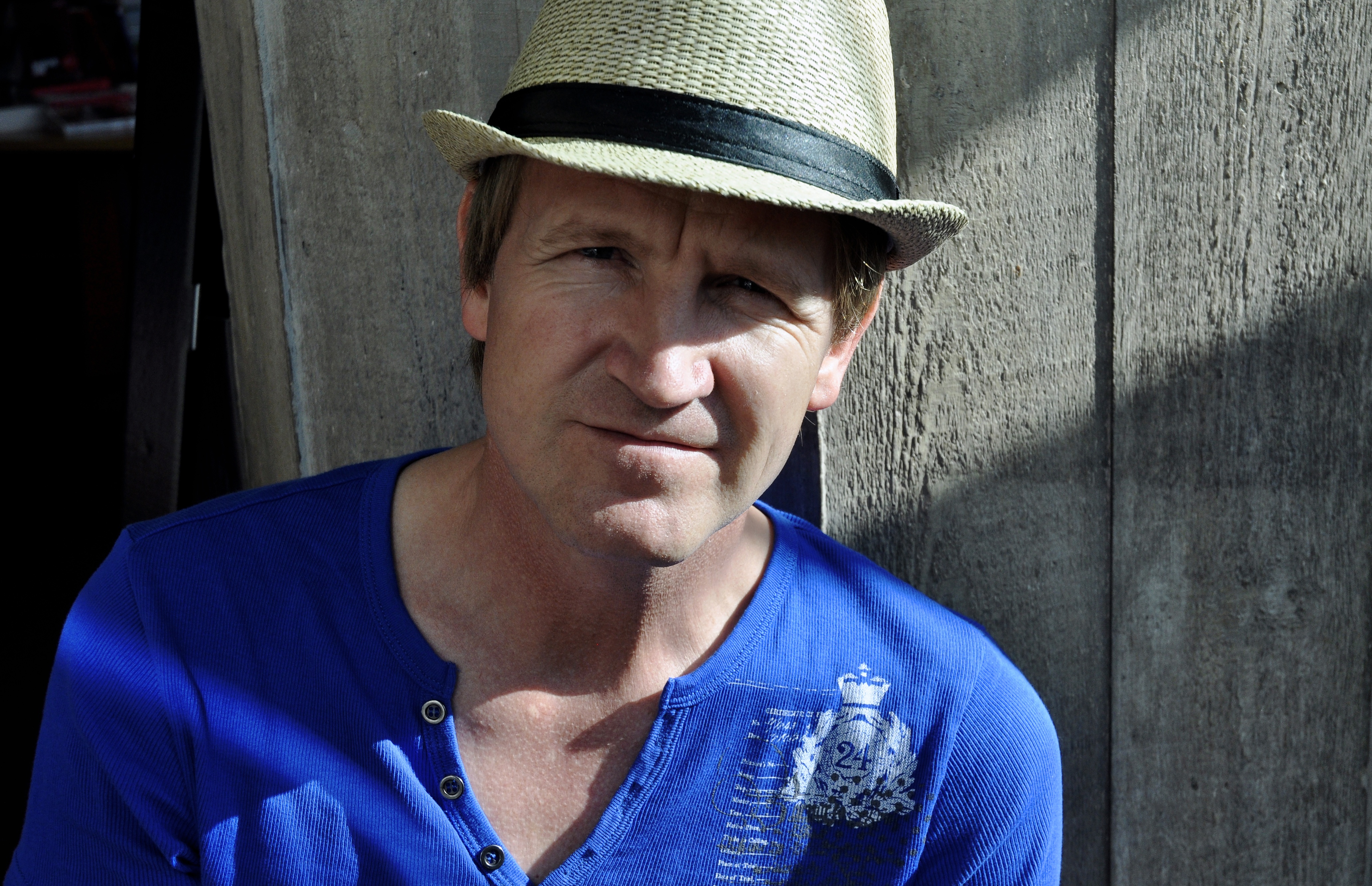
Welcome to the show, Steve and thank you so much for coming along. And what a cool hat!
Why don’t you fill us in on your background?


Pleasure, Heather. Well, we never really grow up do we? At least, we poets don’t! 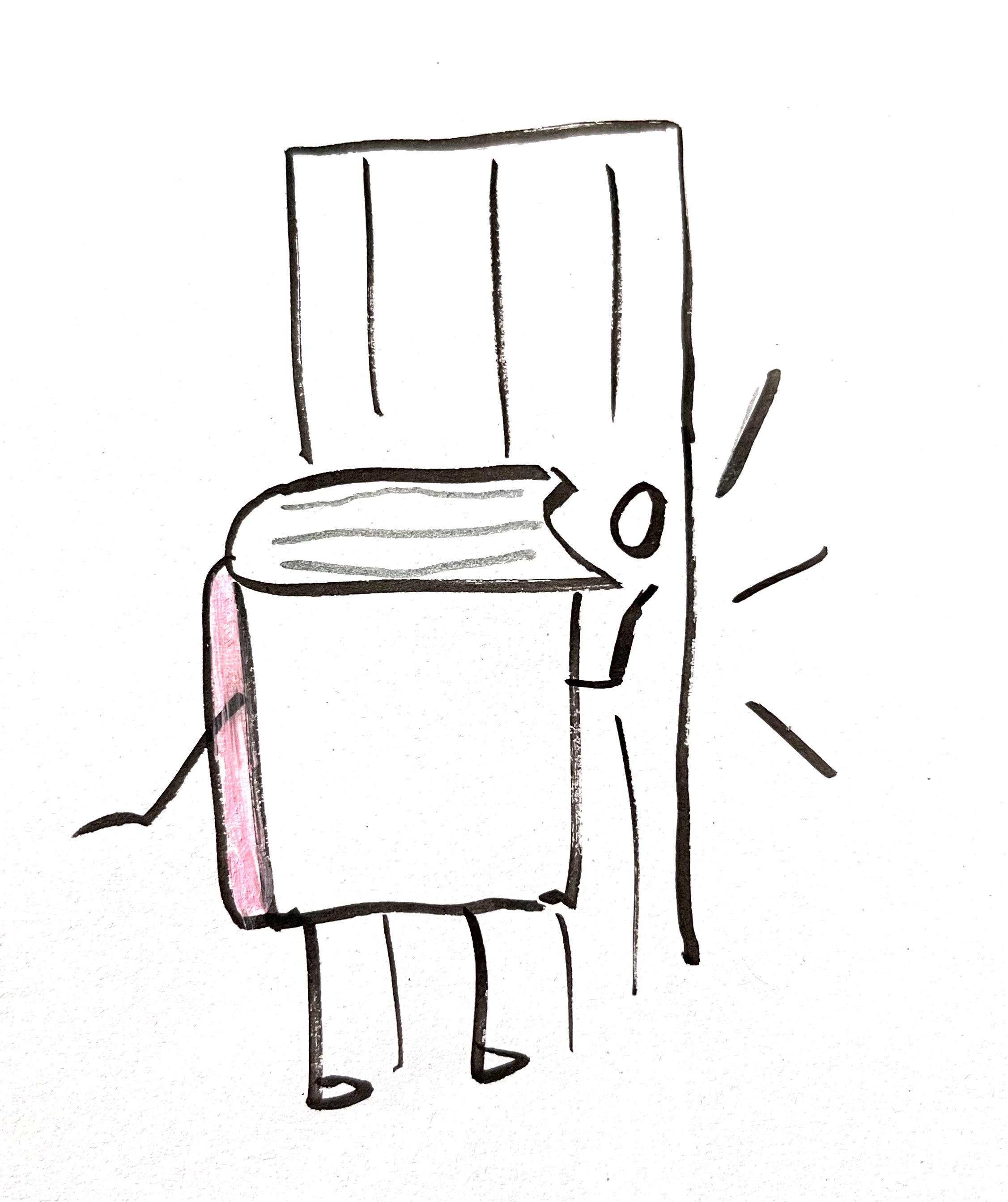
I threw myself into a life of writing and political activism to try and make sense of, and make amends for, a messy childhood – one of poverty, brutality and alienation, growing up in Rishi Sunak’s Yorkshire constituency back in the 1970s, one of four boys, sons of a refugee, raised by a single mother on a council estate.
None of my brothers made it into early old age, and the drawn-out self-harming elements of their deaths was immensely hurtful to their children. 
Decades ago, I’d vasectomised myself (well, a doctor did it) in part because I didn’t want to pass on the damage of our childhood to my children. Instead, I wrote poems. You can metaphorically give birth to a poem, but you can’t hurt it – no matter how hard you try.
Oh Steve, that’s devastating about your family. They make and shape us, don’t they.

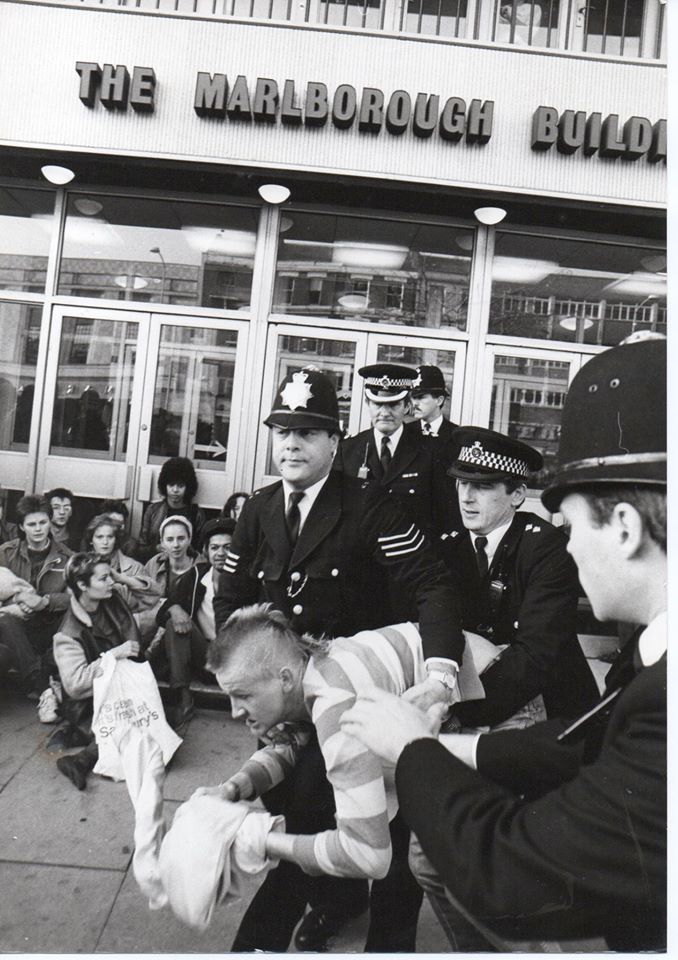
Initially, as an adult I was less creative, part of the 1980s anarchist and anti-fascist network and spent more time in cells than I did in libraries.
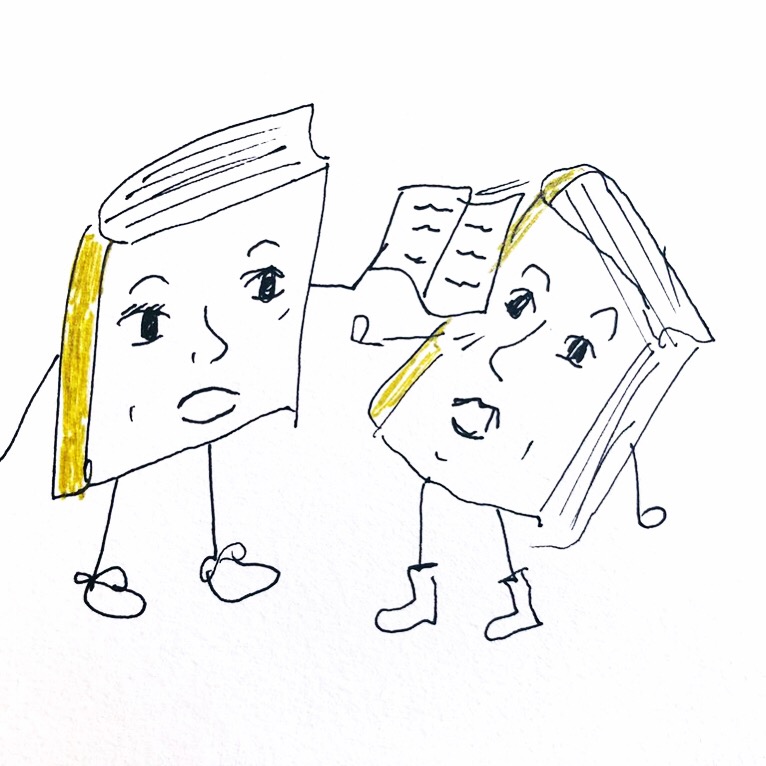
But I was always a poet, right from my school days when I’d write punk-inspired rants against the head teacher; and at some point I realised my skills were more appropriate to being a writer than they were to having running battles with the National Front – and more likely to be effective at creating a more positive world.

So here I am, still a struggling poet. But I’ve had more poetic success and adventures than most individuals could hope for in one life; 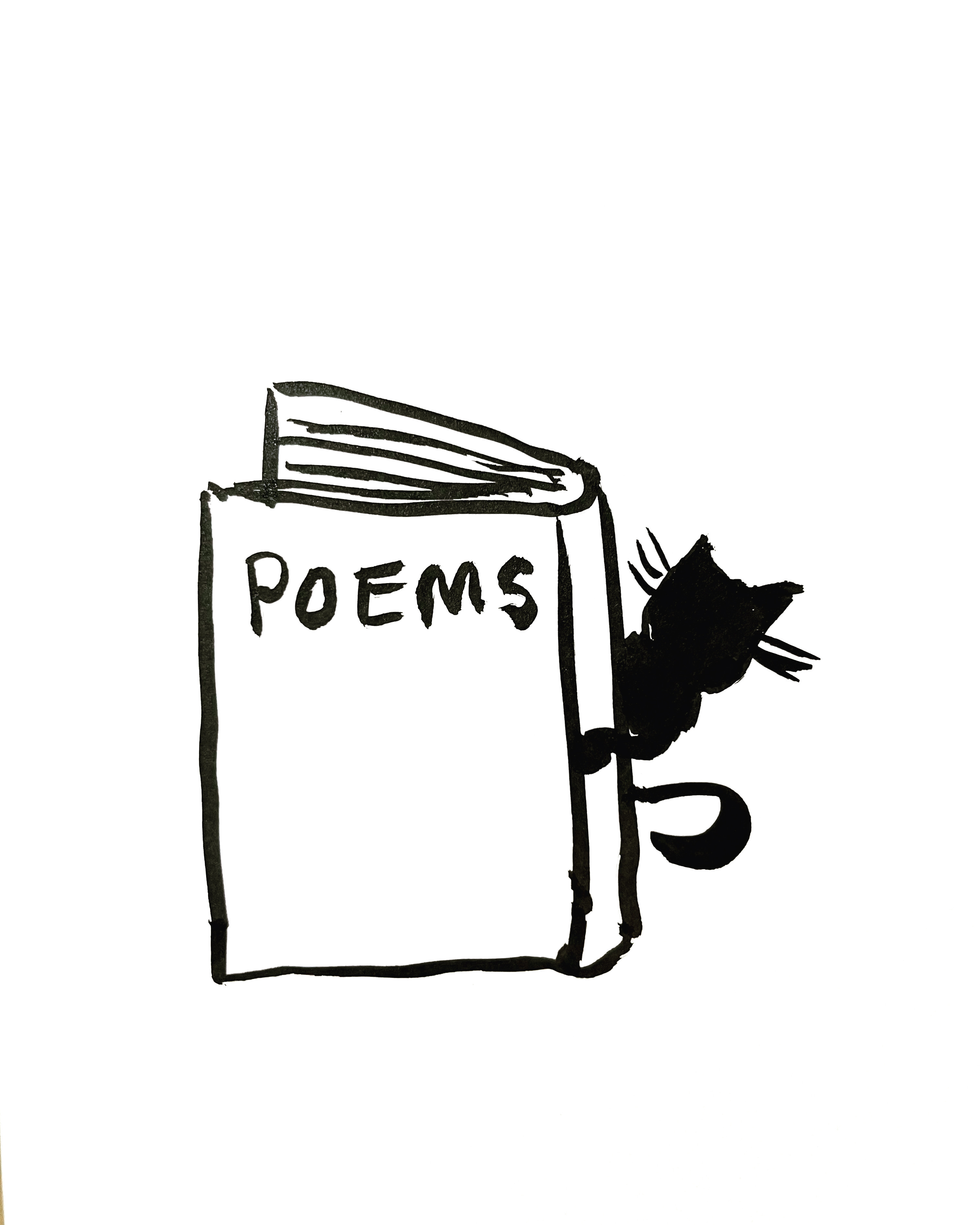 and my writing extended itself to children’s novels. My last, Child I, was published by Faber and translated into 11 languages, and told the tale of unaccompanied child refugees in a camp. So, my change of tactics around challenging injustice proved to be a good choice.

Gosh, what an era that was. It’s made you a strong person and brought your talent out. Your children’s novels sound fascinating


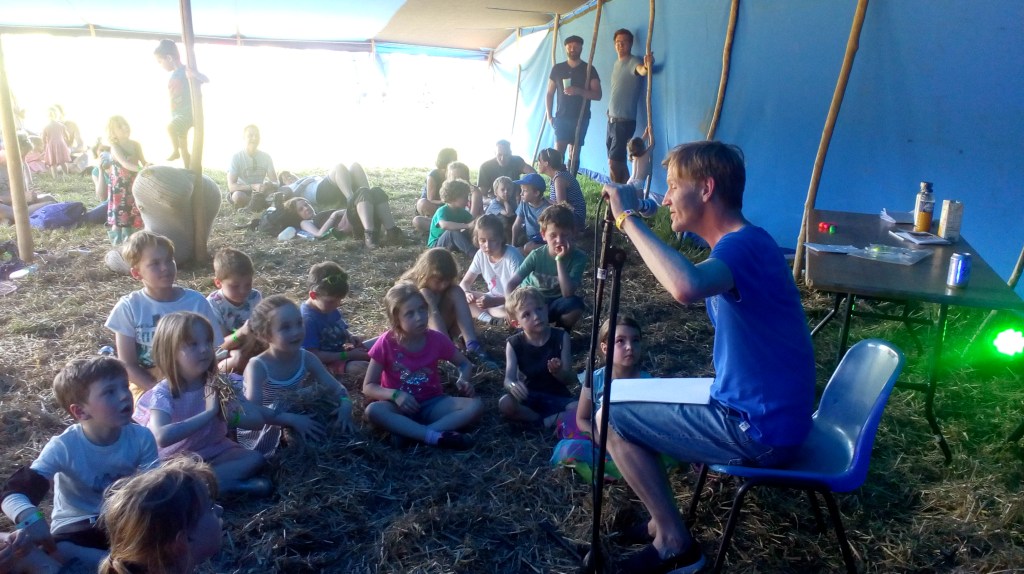
As a poet, I’m still an outsider, despite amazing residencies (Dickens Bicentennial Celebrations, Battersea Dogs’ Home, D-Day Story Museum etc) and having visited hundreds of schools, libraries and literary festivals. 
Why is that? Because political poetry should tell uncomfortable truths and, if it’s successful, poetry should piss people off, as well as uplift and inspire; it should make enemies as well as create unity; give a voice to the voiceless and downtrodden. The kind of stuff that’s frowned upon by the status quo. Stuff that unnerves the careerists and bullies. 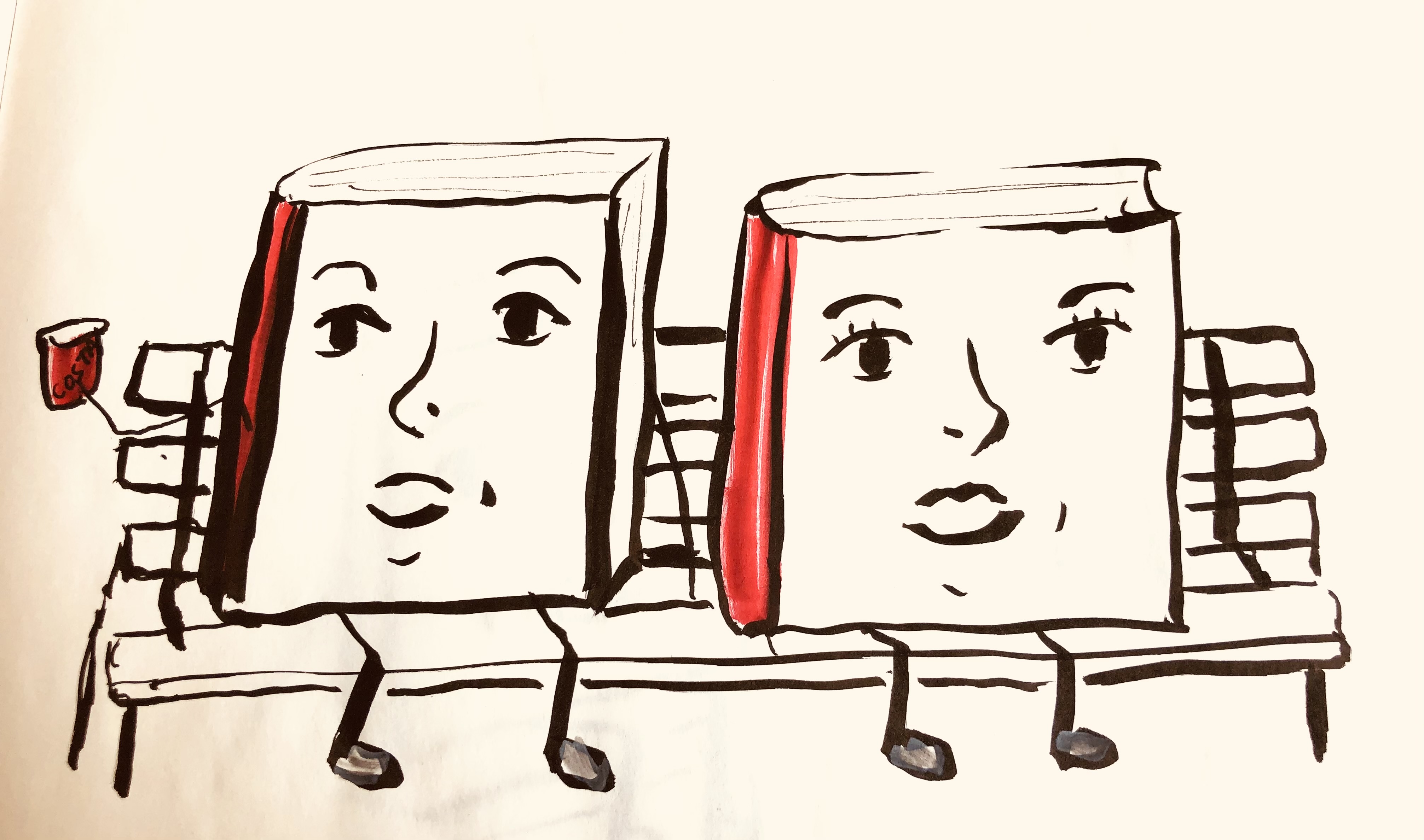
It’s fair to say that I’ve been a roaring success on my own terms – and I know that I made my long-lost family proud.
I couldn’t agree with you more. And those are impressive residencies. What an experience.
Who were your biggest influences?

When I was very little, the first poems that really engaged me were Spike Milligan’s, mainly because they were daft and simple, playing with words in Milligan’s distinct way.
But what was a deeper influence at that time – I realised much later – were The Two Ronnies, who delighted in word-trickery that was mind-boggling and utterly inventive, almost as if they were using words to perform magic tricks.
I had ambitions to be a magician and owned more than a few Magic Trick sets; but magic tricks had no narrative, they didn’t delve into people’s experience, they were all spectacle and zero narrative.

Then, punk happened, and I had my first experience of word magicians – Ian Dury, a kind of Ronnie Barker with safety pins and swear words; John Cooper Clarke, a cartoon Bob Dylan doll, who delivered rat-a-tat wit and wisdom with immediate accessibility rather than Dylan’s deliberate obscurity; Crass, horribly noisy shouty anarchists whose LP sleeves unfolded into a giant political word map that I’d consume far more greedily than any Modern Poets Collection; Atilla the Stockbroker, whose “Bollocks to That” poem on a Cherry Red records compilation gave me a vision of my future life.
This year, 2024, I’m finally booked to do a feature set at Atilla’s Glastonwick Festival (having already toured extensively with Dr Clarke). Everything poetic opened up from there – Benjamin Zephaniah, Joolz Denby, John Hegley, Adrian Mitchell – as well as inspirational peers such as The Speech Painter, Patience Agbabi and Joelle Taylor, my poetry bandmates in the roofraising Atomic Lip, poetry’s first pop group.
The beauty of having been on the scene for so long means that my gang of peers continues to grow, present friends and influences including Mark ‘Mr T’ Thompson, Red Medusa, Isabel White and David Lee Morgan. Wonderful, all of them.
Oh The Two Ronnies were so clever, weren’t they?! And fantastic influences and names there.
I went to see Atilla the Stockbroker many times in the early ‘90s. He used to do a set with John Otway. And I see there’s a reunion going on now. Good for them. And soon you’ll be performing with Atilla (swoon!).
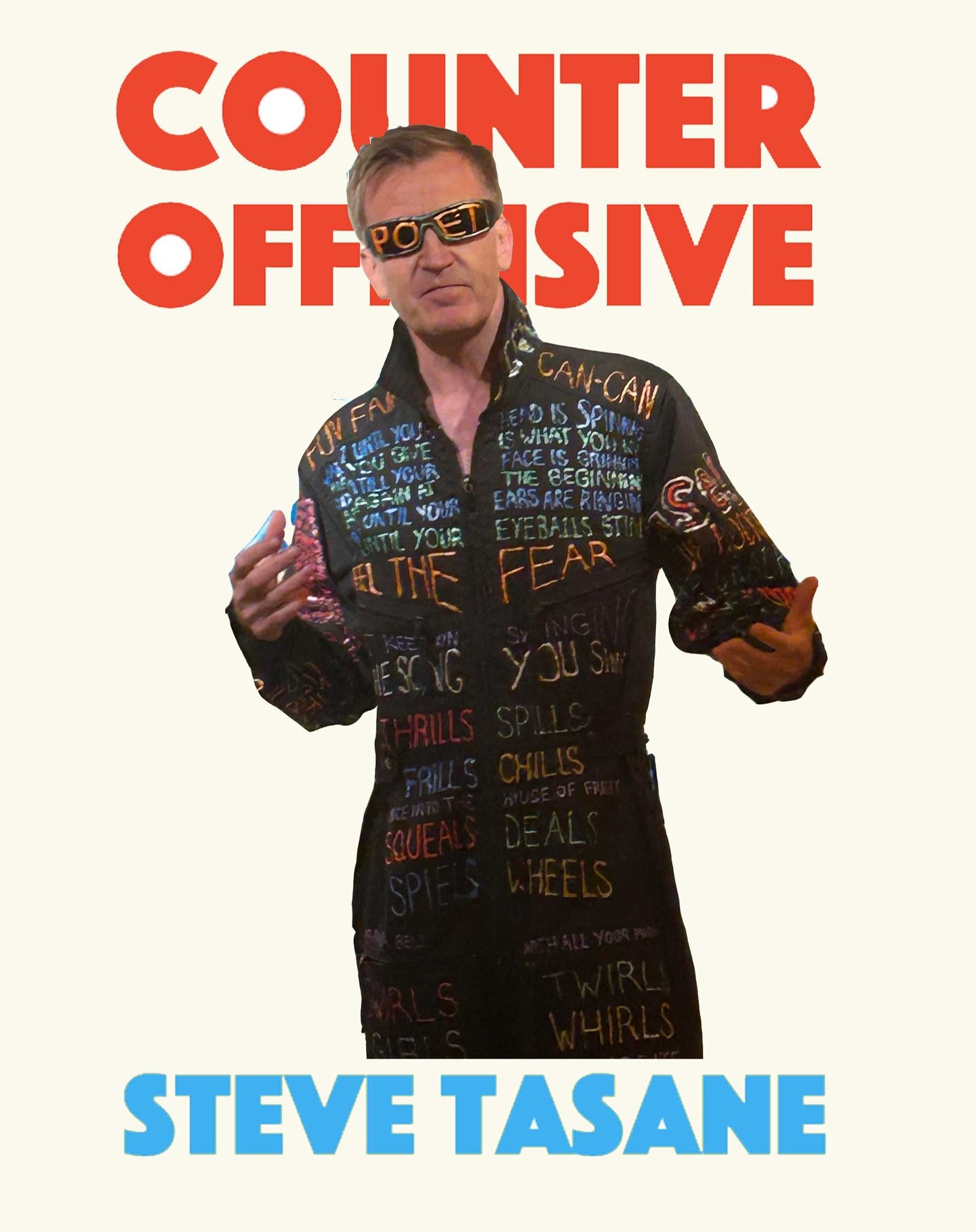
We’re very excited about your new collection Counter Offensive. Please tell us more…

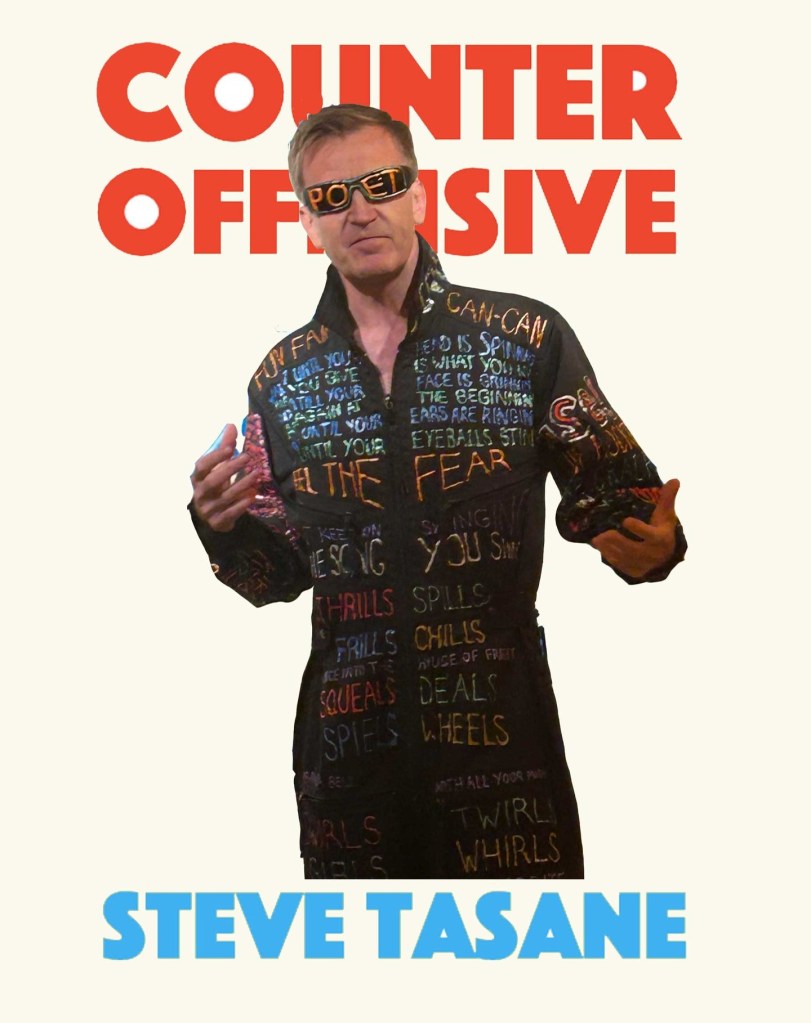
I’ve been a busy little wordsmith, so my first poetry collection was out in 1996 and my second, Counteroffensive is out this year, 2024. I’ve been too busy doing live events, running workshops, writing novels, and frenziedly writing social commentary poetry that packs a punch one year and is out-of-date the next.
When the lovely Jason Why of London Poetry Books asked me to put together a new collection, it was an opportunity to do a sort of ‘live’ best of, unpublished poems that have been kicking up a racket on the stage, ranging from Beat Poem, written in 2000 and printed here for the first time, to Get The Vet, written in 2023 to support my niece’s training to be a vet.
It’s being launched with an open mic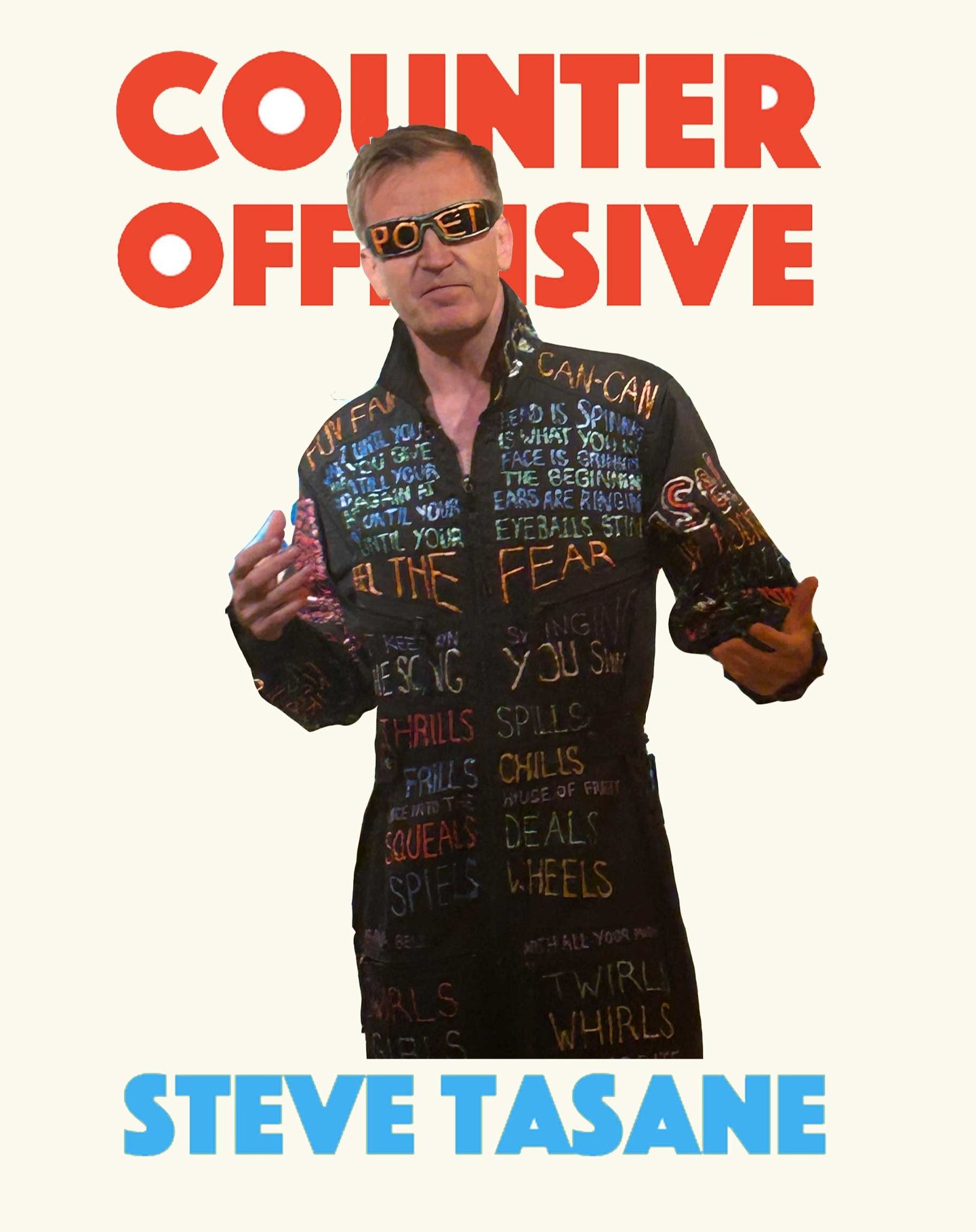
celebration on Saturday 27th January, 5-7.30pm, at The Artillery Arms, Bunhill Row, London EC1. I’m also looking forward to ‘reading’ from Counteroffensive at London Poetry Books’ Multicultural Book Fair on September 14th.
Fascinating, Steve. I will be there for both. Jason is fantastic, isn’t he
Now, what is the best gig you’ve ever done – and the worst…

You’re rarely more alive than when you’re on a stage – or the top deck of a bus, where one of my most dramatic gigs took place. This was for Apples and Snakes’ Bus Jam, in association with Transport for London.
Unfortunately the Apples’ team-member who was organising us on that particular day bought us all tickets that weren’t valid when the bus moved into the next travel zone, which was when a ticket inspector (who, obviously, hadn’t read the poetry memo) got on and tried to issue us all with fines.
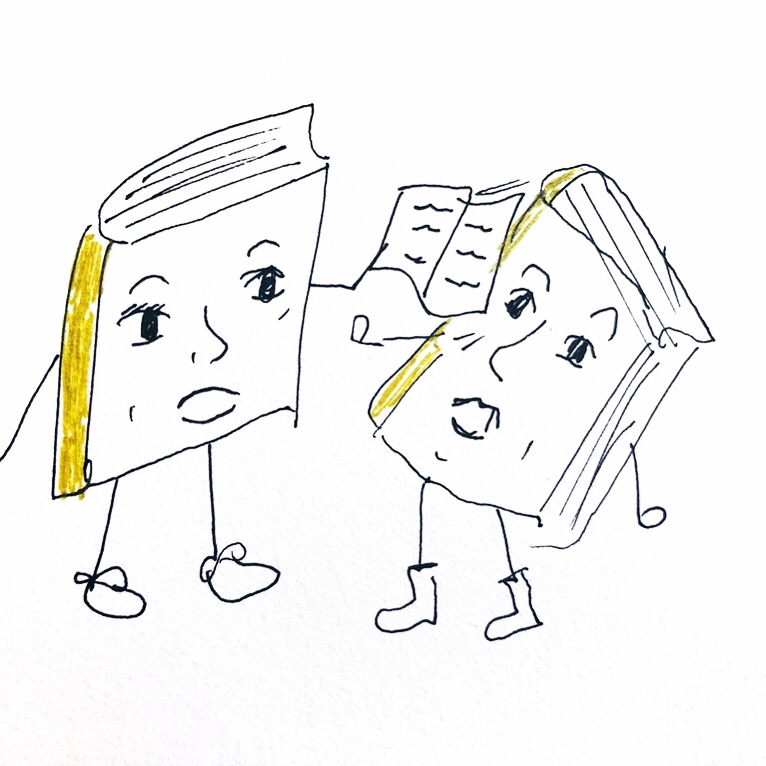
One poet (nameless) wound the inspector up by taking photographs of him and when he tried to grab the poet’s camera a small scuffle broke out, which turned into a slightly larger scuffle involving ripped shirts, scratched faces and a number of combatants tumbling out of the bus and brawling on the road outside Downing Street.
My street-fighting days were long since over and I watched, amused and quite pleased by the fact that here was a fight that I had absolutely no part in.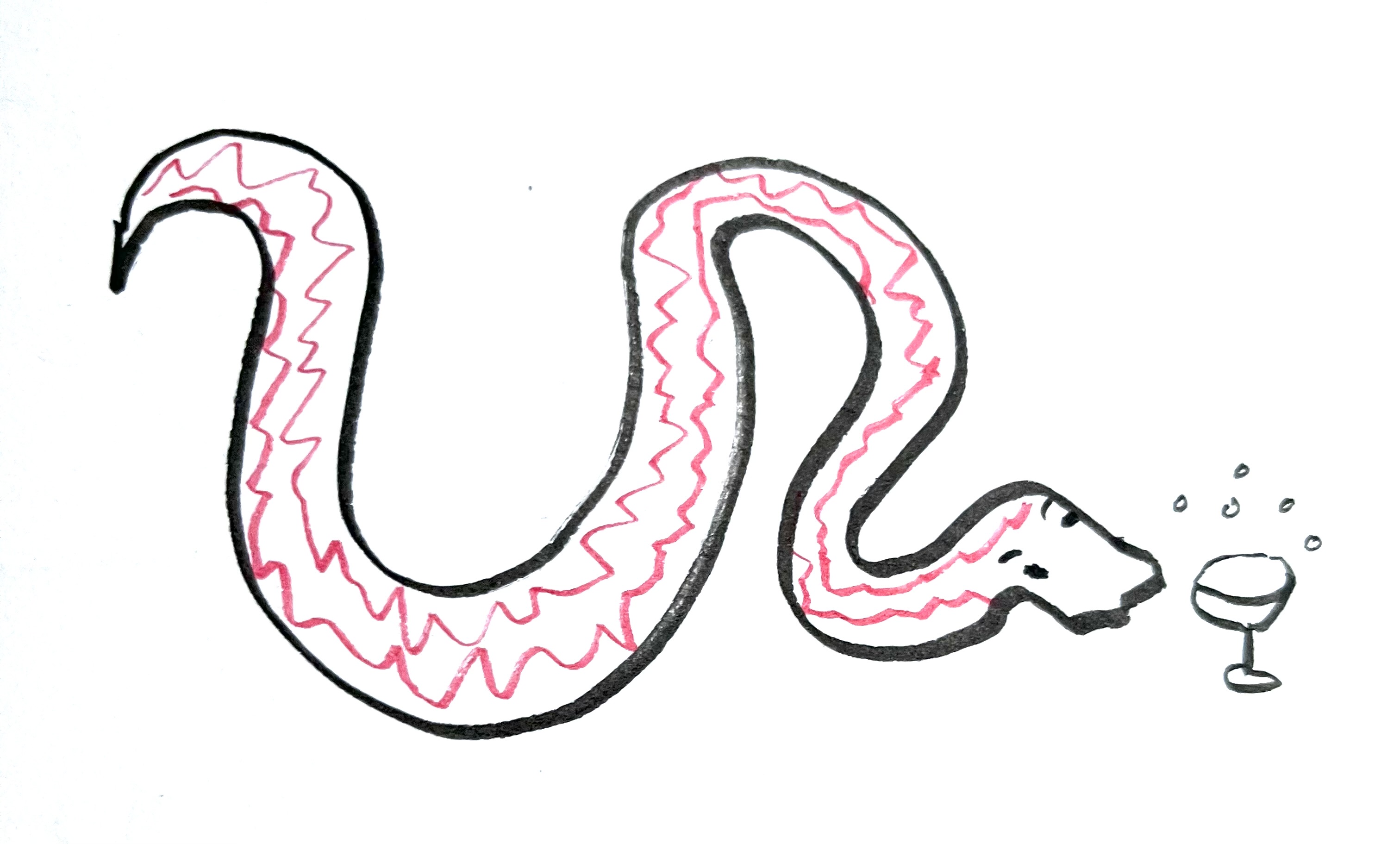
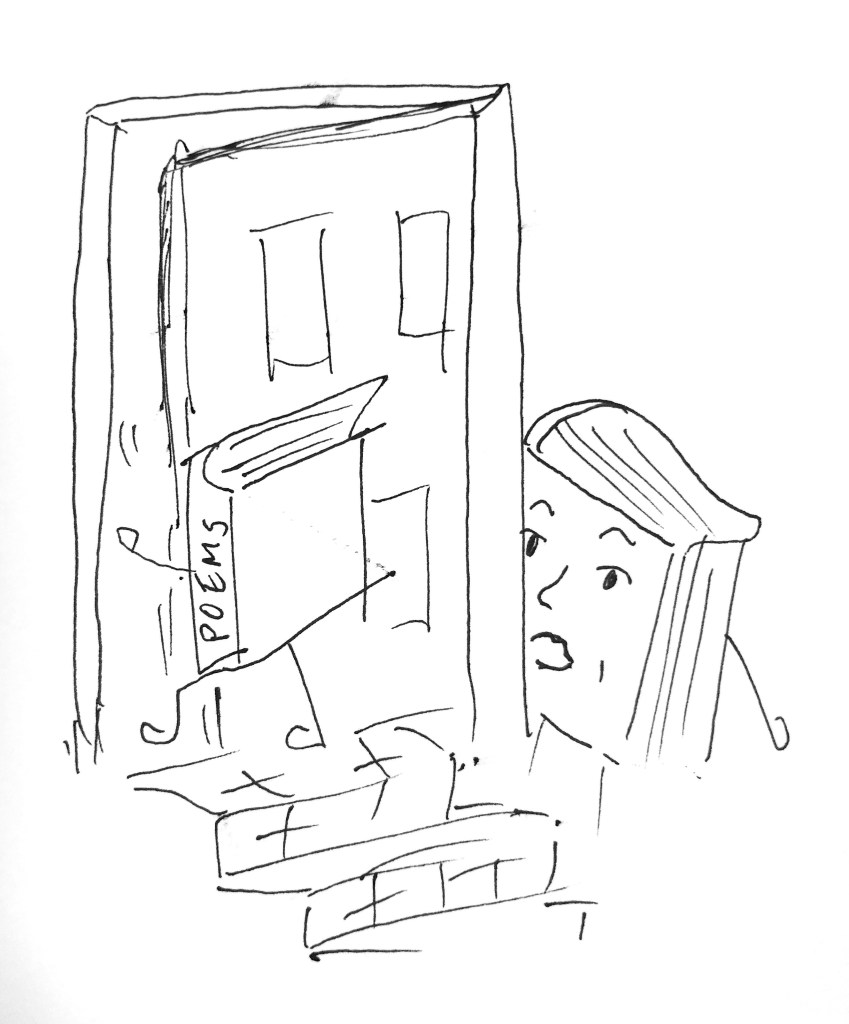
Another tricky gig was playing the World Music Stage at Glastonbury (at that point the third largest stage of the festival). It was during one of the Mud Years and I was wearing a pink sequined T-shirt. One of the Mud People threw a mudball that was zooming straight for me. I caught it one-handed, threw it back and raised my fist in the air, all without breaking my word rhythm – or muddying my sequins. I guess that was worst and best.
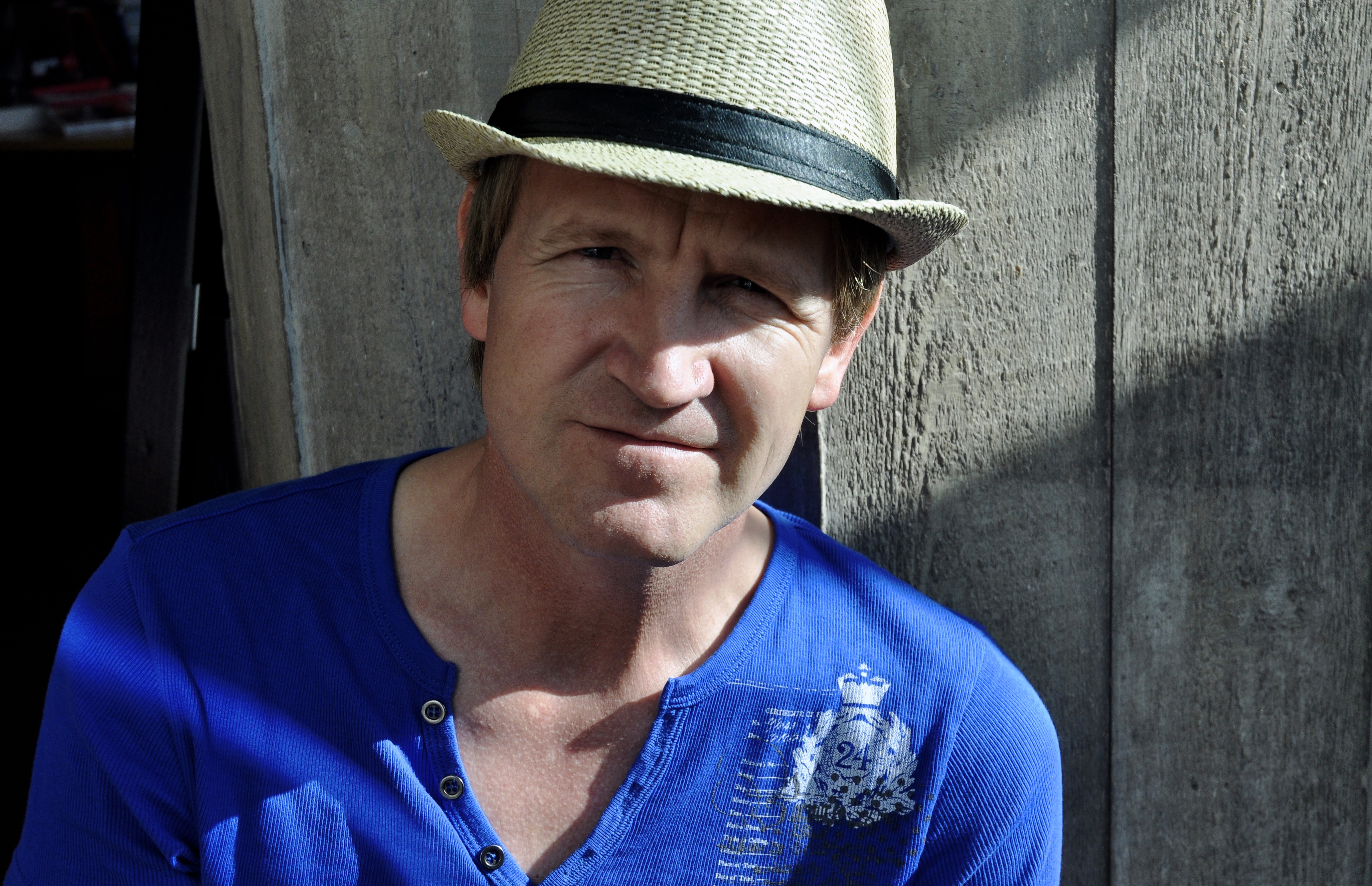
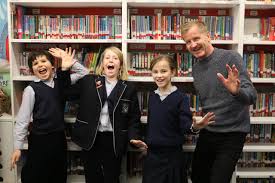
Other best gigs are really any at all that I do in schools, of whatever size. Assembly gigs are great, 9am, the entire school from Year 1 to Year 6, the most volatile crowd you can get, but also the most appreciative if they like what you do. School gigs are my early Beatles Hamburg moments, where I hone my craft.
My other favourites are pub gigs where the bar staff come up to you afterwards with the words, “I’m not really a fan of poetry, but I loved your stuff.” Yes!!

Steve, I could talk to you all day. You have opened up such a fascinating world for us. And you have a wonderful year coming up.
We so look forward to Counter Offensive, and congratulations. Very exciting.
Thank you so much for coming on the show (applause and standing ovation)
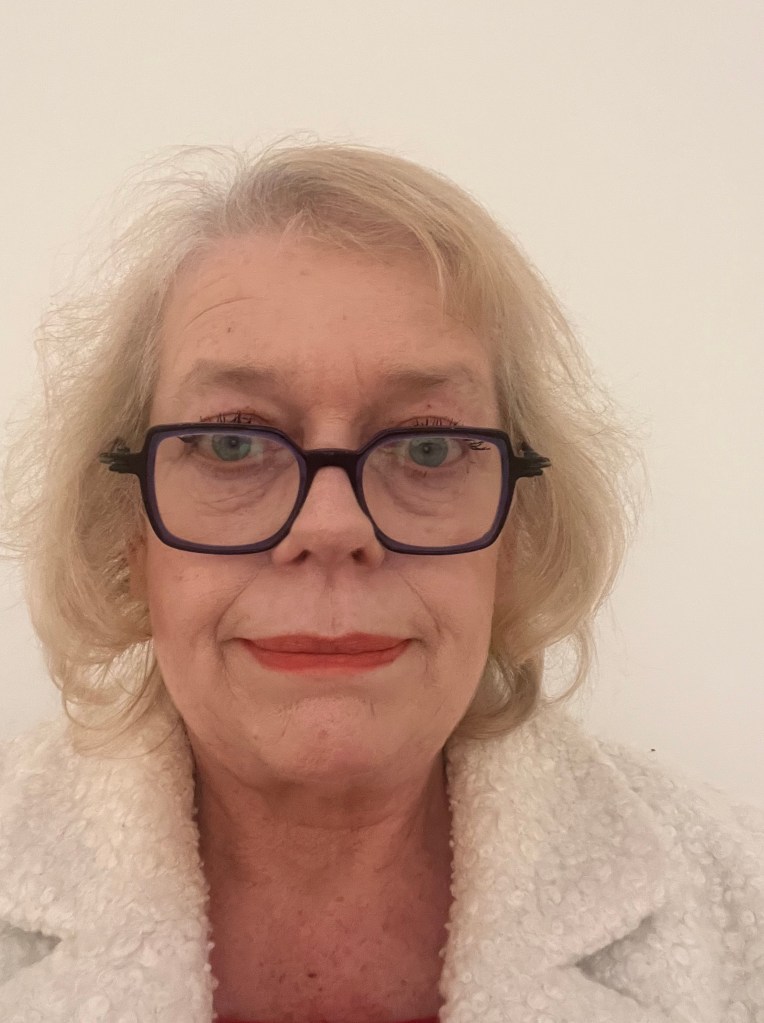
Our esteemed guest legs it back up the stairs before Dobby gets him! 
Wasn’t Steve a wonderful guest?! Such incredible insight. Here are some links to Steve’s poems on YouTube. Worth a click, I’ve had the honour of hearing Get The Vet. Powerful piece.
Steve’s new collection is launched on 27th January. Click this link to order a copy…http://www.londonpoets.com/product/counteroffensive/

Thanks for tuning in, PL’s. We’ll be back with more poetry action real soon….
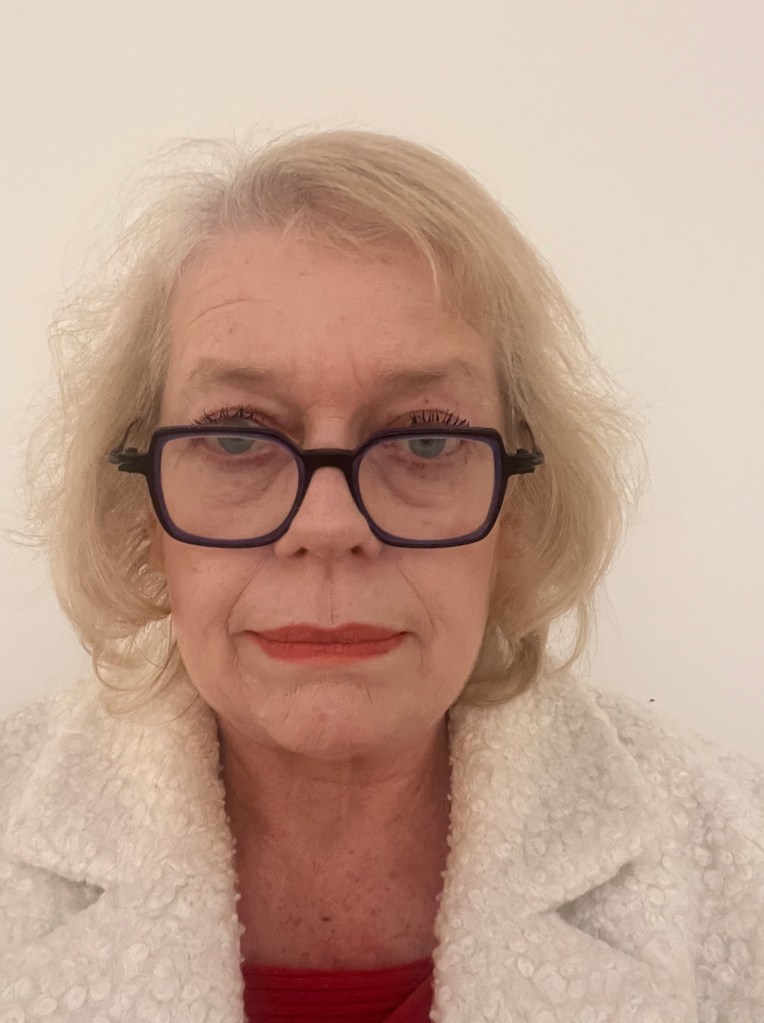
 Heather Moulson
Wonderful interview ! Fascinating insights. I love hearing Steve perform and thoroughly recommend reading Counter Offensive 🌟✨
LikeLiked by 1 person
I do too! Thanks for reading x
LikeLike