

Hello Poetry Lovers
Yes, you heard right! We are back in the talk show studio with the marvellous and talented artist and poet Lee Campbell. (Ecstatic wild applause)

We all want to make Lee welcome, so Dobby – no biting! Ow! What did I just say?! 
(Our esteemed guest Lee Campbell glides down the lighted staircase)
Welcome to the show, Lee. Thanks for agreeing to be our guest.

Pleasure, Heather. Tell Dobby to stop growling or I’ll set Rufus onto her, (Dobby legs it – fast)
Now it’s a bit calmer, Lee, fill us in on your background

My formal training background is in Fine Art Painting. Prior to receiving my doctorate in 2016 from Loughborough University, I trained in Fine Art Painting at Winchester School of Art (1996-2000) where I earned my B.A and Slade School of Fine Art (2005-2007) where I received my M.F.A.

I currently work as Senior Lecturer at Wimbledon College of Arts at University of the Arts London (UAL). I have worked across UAL’s six colleges since 2009.
That’s so impressive, Lee. When did poetry become a part of your life? 
 I have a long history of creating performance art which often included spoken word/verbal language elements but not what I would necessarily consider as being ‘poetry’ or ‘performance poetry’ for that matter, but that’s open to interpretation!
Between 2019-2021, I made a series of short films which recycle my personal archive of artworks as an artist of 25 years into the present. Let Rip: A Personal History of Seeing and Not Seeing (2019), Let Rip: The Beautiful Game (2020), Let Rip: Teenage Scrapbook (2021) and Let Rip: Bodies Lean and Ripped (2020) using the ‘rip’ as both metaphor, symbol and filmic structure to build upon existing work, create new forms out of ‘old’ practice and indeed show new versions of ‘old’ me.

This meant creating surfaces and layers on the screen which I would appear to be ripping or tearing apart to reveal something about myself. Cascading through different time periods but really speaking to the present, these films play with the sensations of an image, aiming to capture how reality is constructed of images, images that are out there in culture but also personal images that I create myself. 
Many of the films that I created within the Let Rip series I referred to above, actually begun life having written text placards embedded within them rather than me speaking poetry that I had written as a voiceover (I’ll refer to this point again later in the interview). 
Artist Clunie Reid, when watching Let Rip: A Personal History of Seeing and Not Seeing (2019) in November 2020 commented that the written placards within this film needed to be spoken/performed/read aloud by me rather than written as I have a particular voice from a particular point in London’s queer history.  She suggested that my voice and my accent evidence my life so clearly – a specific voice that gives me a specific identity to a specific place.

Due to the Covid-19 pandemic. I could not imagine the conditions at that particular time of me ever performing (physically) in public again.
It was a cold and dull Sunday in late November 2020. An advert for an online poetry mic called PoetryLGBT on Zoom popped up on my Facebook feed. I thought this would be a good chance to read out those written placards above as ‘poetry’, a context and a scene that I had not ventured into before. What’s the worst that can happen I thought. If they all think what I read out aloud is sh*t then I’ll just press ‘exit’ on my laptop. What have I got to lose!  Little did I know that this Sunday afternoon online open mic, was going to change the direction of my practice forever. I remember the experience well.

The host Andreena Leeanne was so supportive and welcoming to everyone. I was enthused by her energy and passion for the poets performing. I performed online for 6 or 7 months due to Covid restrictions.
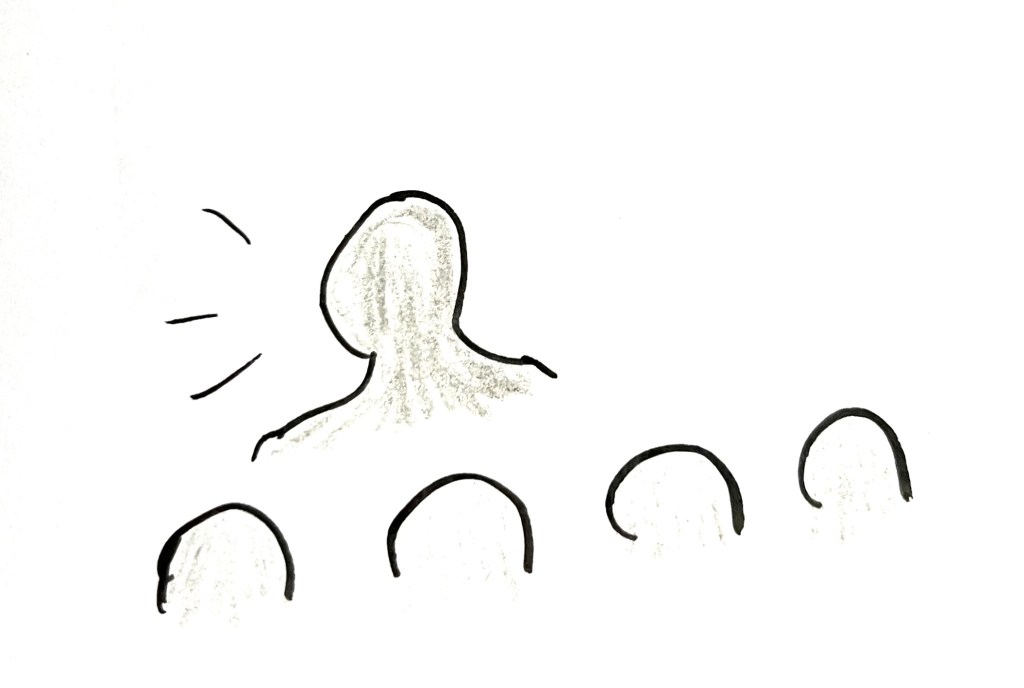
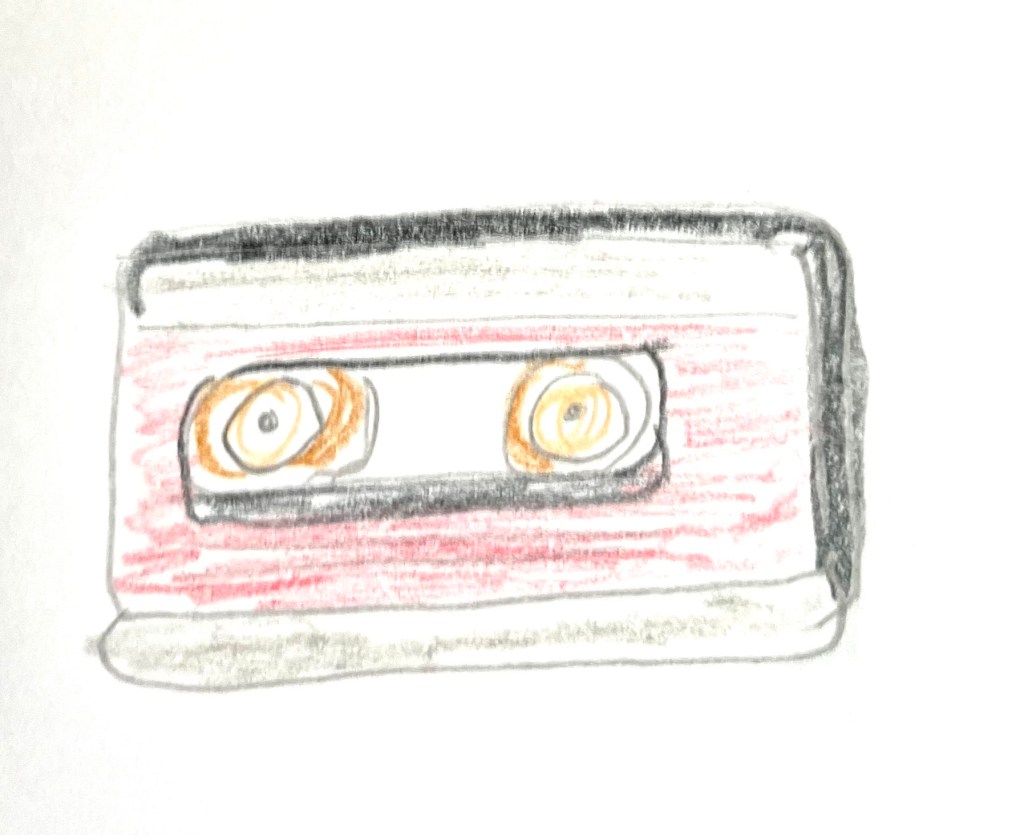
My first proper ‘poetry performance’ in person was June/July 2021 at Paper Tiger Poetry. Barney (Ashton-Bullock) who I met through PoetryLGBT online invited me along. Do you remember it? It was such a hot night! I remember performing my poem about football and covert desire, Clever at Seeing without being Seen, with my crappy cassette recorder. Finding a humorous route to process the trauma of life (being bullied, losing parents etc).  The audience’s reaction and particularly that of Jason (Why) who hosts the night was incredible. That was a life changing moment for sure.
I have really appreciated Jason’s continual support since then, and of course, yours Heather.
I have a soft spot for cassette recorders. They have brought me true happiness. This is so inspirational , Lee. 
Yes, I do remember it well. Fantastic piece. Brought the room alive. What a night that was! As well as a big turning point!
Ah, thank you. Jason is a wonderful support, isn’t he.
From a visual arts perspective, artists who use text in their work Ed Ruscha, Lawrence Weiner, Jenny Holzer, Bruce Nauman, Barbara Kruger for sure and also filmmaker Derek Jarman’s text-heavy paintings. Andy Warhol, in terms of my usage of repetition in poetry and performance. I absolutely love South African artist William Kentridge’s work (drawing, film and projection). 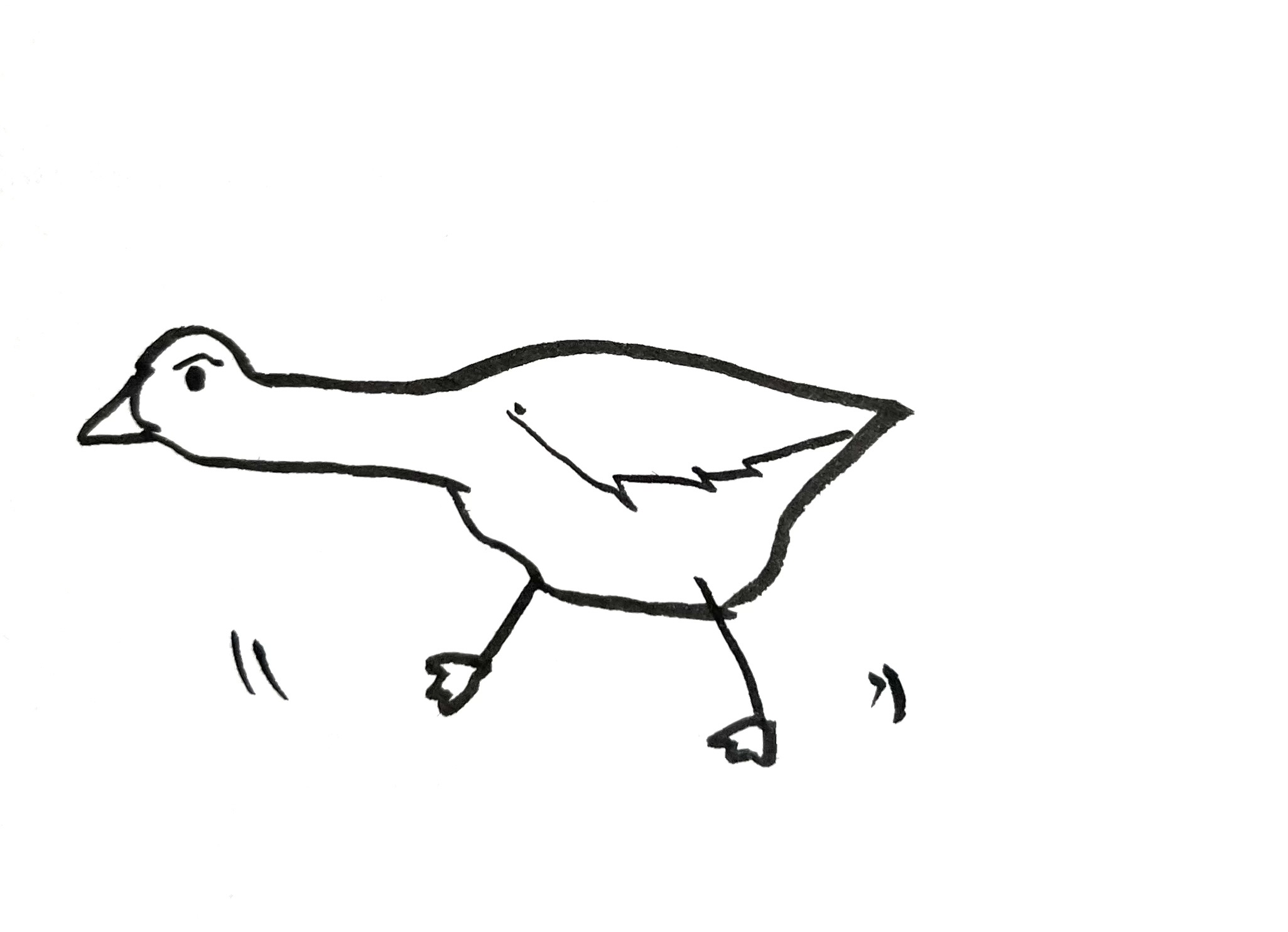
Poetry wise, I love those poets who incorporate visual and multimedia aspects in what they do like Pip McDonald, Chris Clark and Frankie Calvert. And particularly those who use their bodies in a really expressive and visceral manner like Redeeming Features. I was absolutely blown away when I first saw him perform at Paper Tiger Poetry. Music is such an important influence, mainly electronica, ambient and drone. Early Chicago house music, Moby’s early stuff in the 1990s (although I love the track ‘Tecie’ from his last studio album All Visible Objects, so repetitive and hypnotic like one of my poems/films). William Basinkski too. I particularly like Bradford’s worriedaboutsatan and Sheffield’s The Black Dog at the moment.
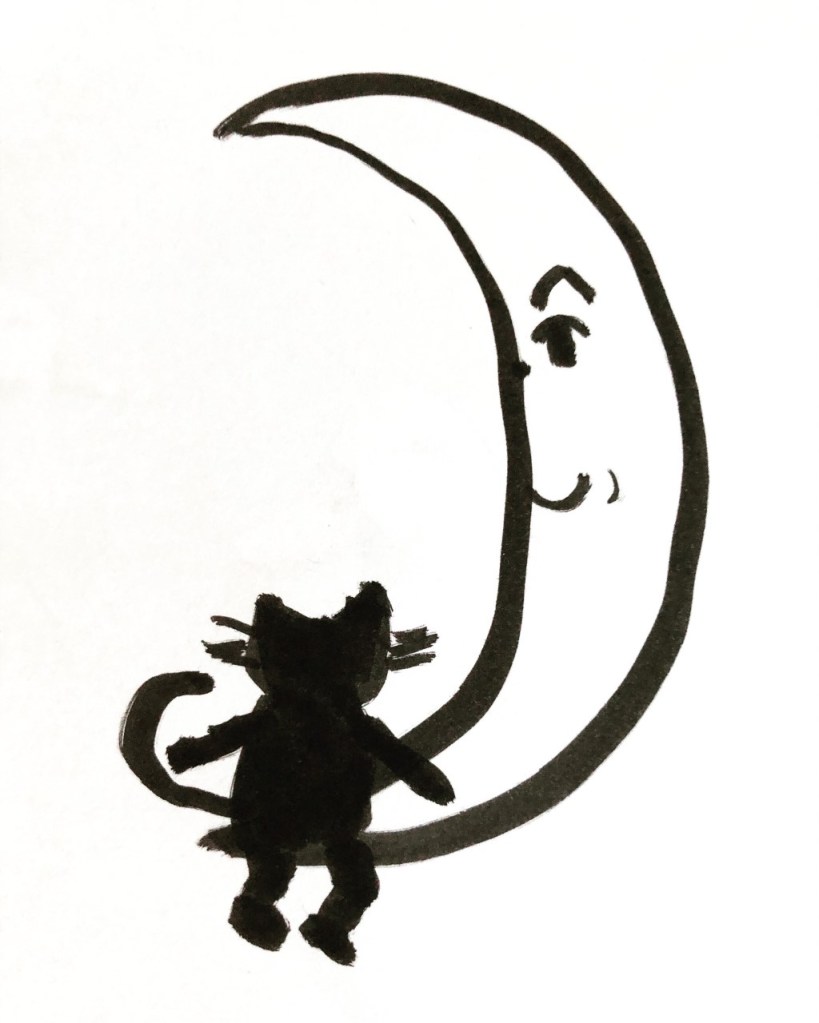
Like the mixtape collections I kept as a teenager in the 1980s/90s, from a young age, for as long as I can remember, I have always kept scrapbooks inspired by my mother’s own love of keeping scrap/postcard books from going on holiday.
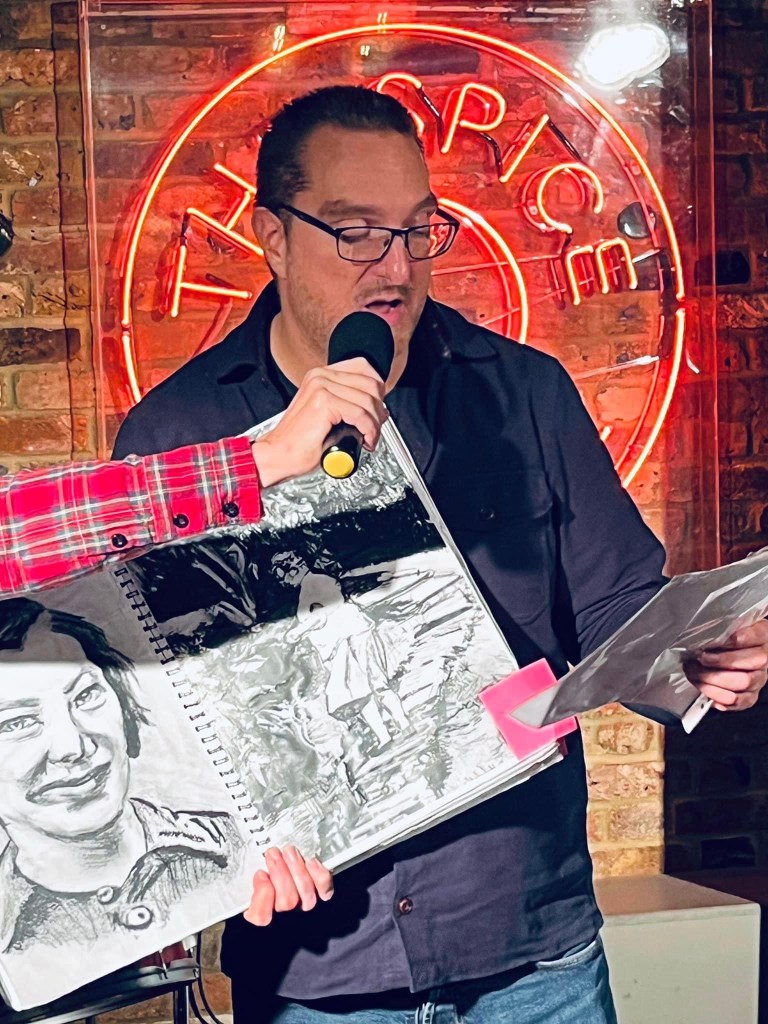
The aesthetics of the scrapbook and scrapping have been an anchor through my practice as an artist stretching as far back as the multi-media paintings I produced in the late 1990s inspired by the work of such artists as Robert Rauschenberg and Jasper Johns. Recent influences in terms of usage of making picture books and performing with them, are Frog Morris who has displayed his own hand drawn illustrations on an easel during his spoken word performances, and Spike Zephaniah who creates live drawings whilst he’s performing akin to how artist Pablo Picasso drew live as he spoke to an audience.
Also Rachel Pantechnicon who shows imagery from books etc. during her live spoken word performances.
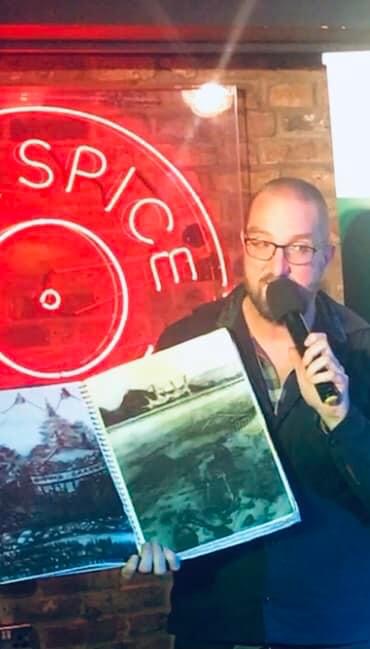
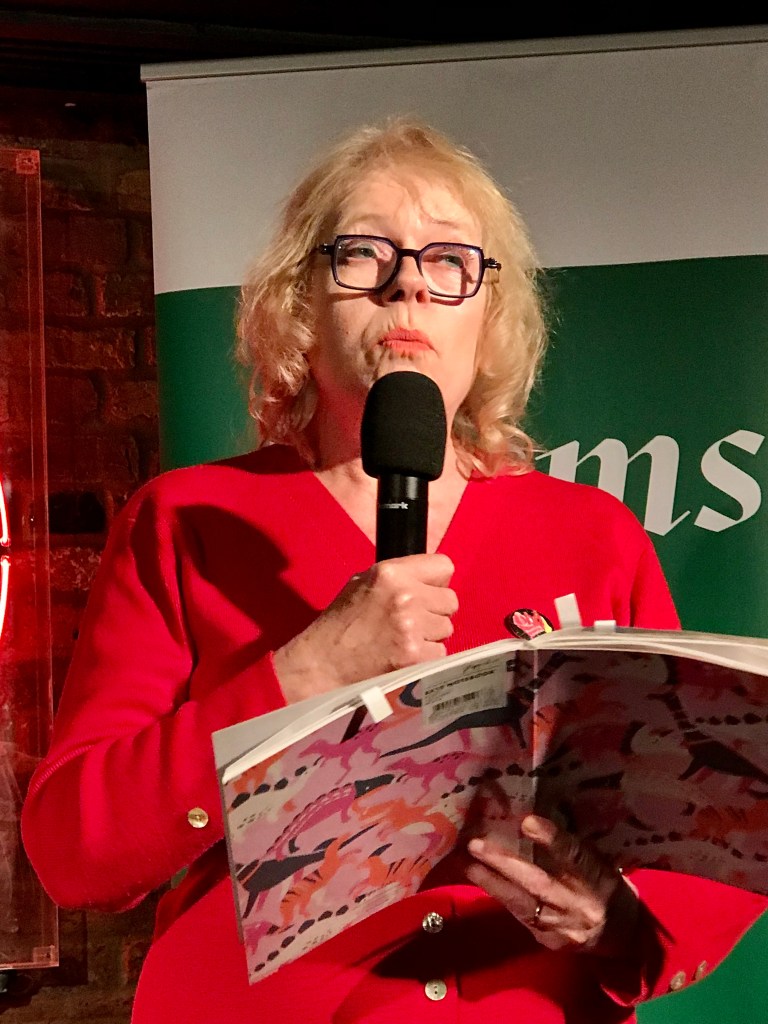
Nothing lowers the tone like [Lee’s poem] Devil’s Hole’ announced cartoonist and poet Martin Rowson speaking at New Poetry Shack, London, April 2023 after my picture book poetry performance of Devil’s Hole. The picture book accompanying the live performance of Devil’s Hole takes on the form of what initially appears to be a travel guide/ brochure for ‘East Coast Cruising’. 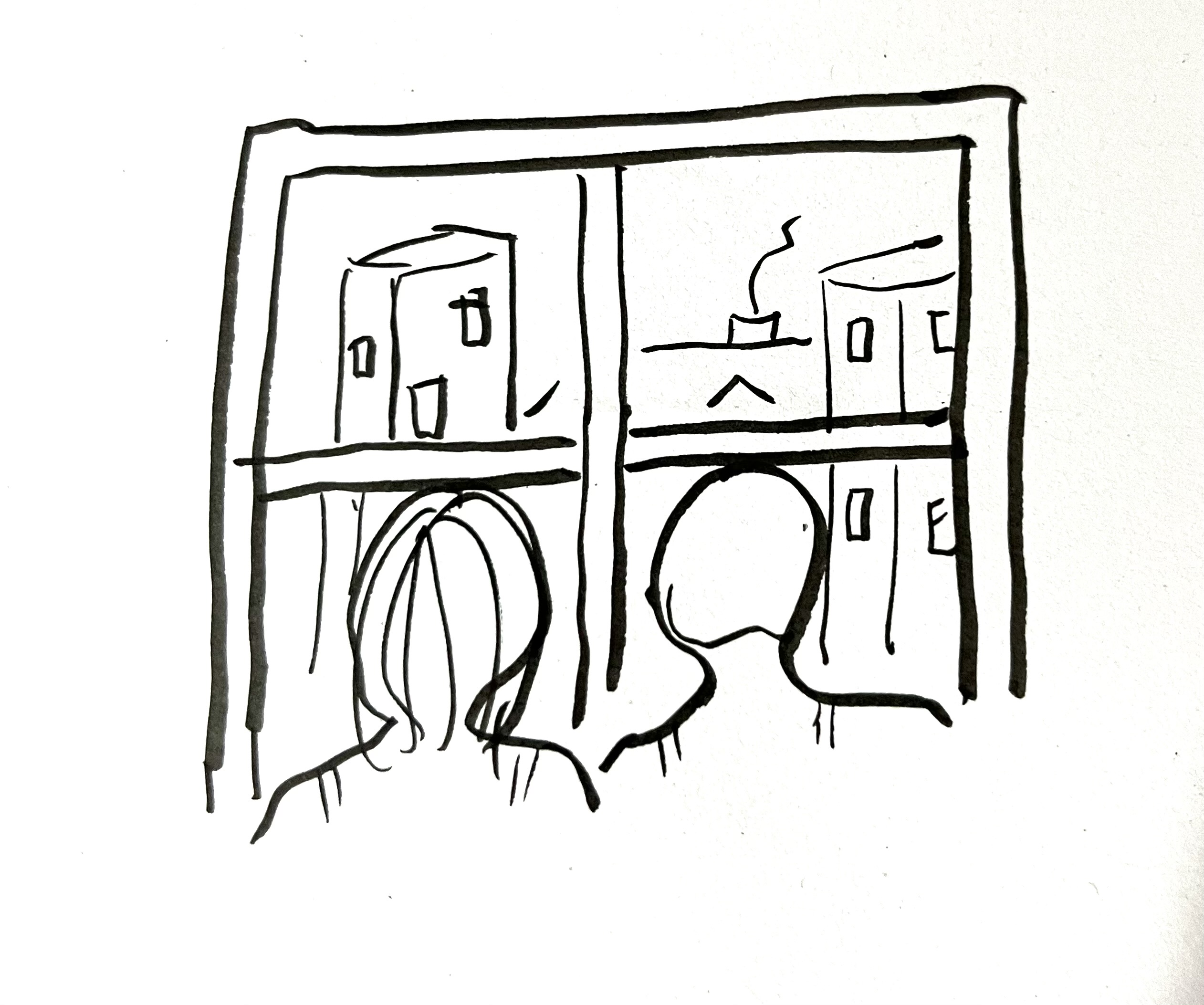
As the poem unfolds and the pages are turned showing stills from the film version (2022) including at the start, nostalgic images of Brighton seafront (on the South Coast in fact), the viewer realises the double entendre of the term ‘cruising’ is being employed here; the gay slang for men looking for other men to have sex. Inspired by Katalin Ladik’s Selected Folk Songs 1973-1975 which I encountered at ON STAGE – All the Art World’s a Stage at Mumok in Vienna in Spring 2023 (included a series of visual collages displayed on the wall accompanied by a soundtrack which audiences could listen using supplied headphones), I particularly enjoy performing the lines of the poem including the words ‘ooooh’ and ‘ouch’ printed in my picture book. 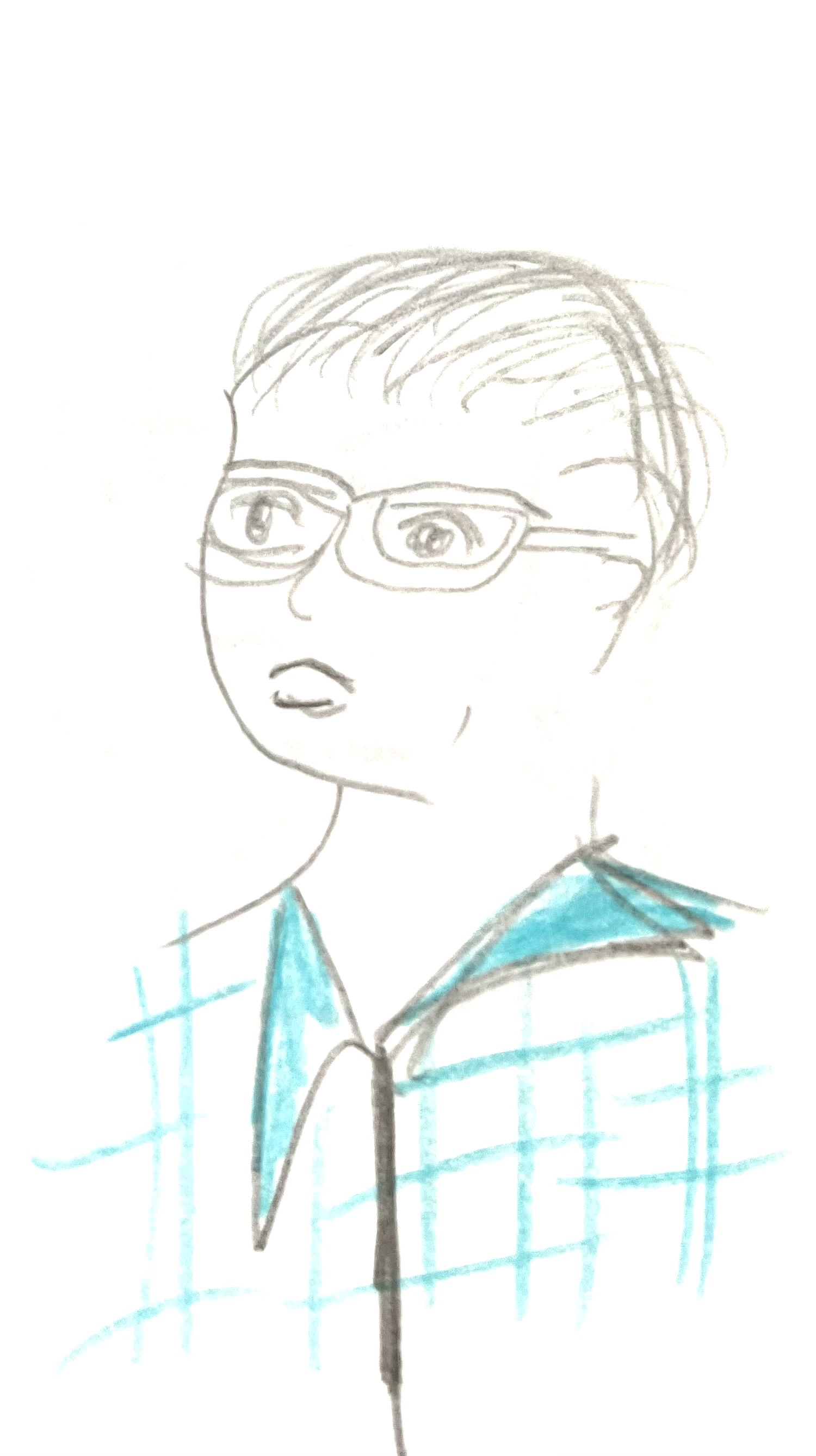
Akin to Ladik’s work I saw in Vienna, the audience not only see these words printed in my picture book, but they also hear me make the sounds accompanying these words.
Marvellous Lee, and such deserved endorsements 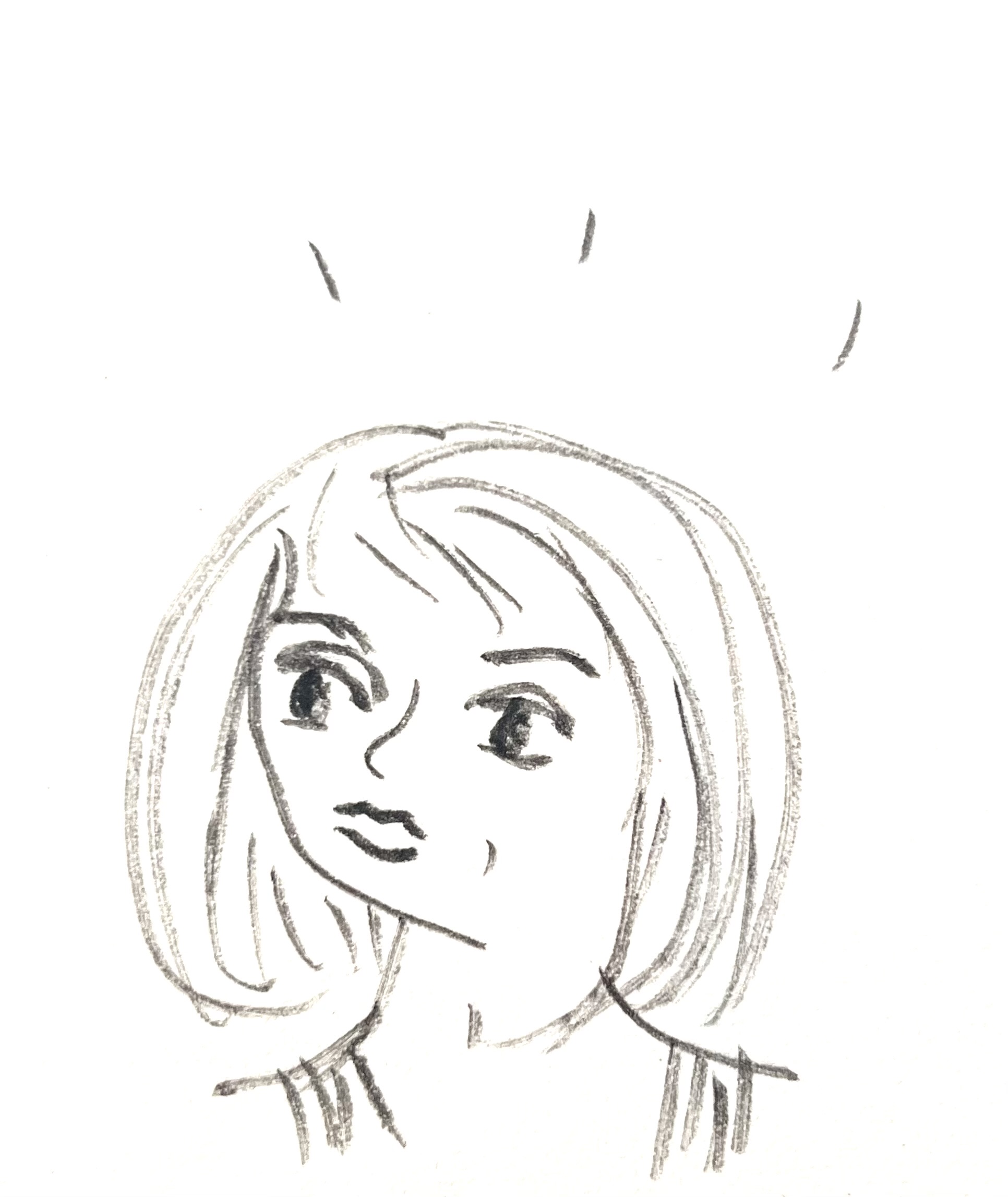 and I LOVE those concepts! I also find your scrapbook so moving, it brings back many memories of my mother
Check out these articles I have written and recent interview revealing the processes and ideas behind my films:
Technoparticipation: Scrapbooks, stories and secrets”, Body, Space & Technology 22(1), 199–219. https://doi.org/10.16995/bst.988
‘Covert Operations: Acts of Secrecy and Homosexual Identity, Hakara: A Bi-Lingual Journal of Creative Expression.
‘LET RIP: RIPPING, REMIXING AND REINVENTING MATERIALS AND ME’ Moving Image Artists Journal.
Interview with Jane Glennie, Moving Poems Magazine
.This is such stunning and innovative ground, Lee. What an impressive collection. And the people you mentioned phenomenal, I love those poets too. Such talent 
Are you working on anything at the moment?

I have just written a journal article ‘PICTURE BOOK POETRY : Scrapbooks, stories and secrets’ which theorises, articulates and demonstrates how I work personal issues out through my poetry and how my engagement with those issues comes over so powerfully to its audience through my ‘picture book poetry’. The chapter will be published next year. Book 2.0, Volume 14, Issue 1 . 
I have also recently finished a book chapter ‘Homo Humour: Metamodernist Acts of Secrecy, Homosexual Identity and Humorous Word Play’ to be included in the book Conceptual Writing and Humor (2023) published by the Institute for Comparative Literature, University of Porto.

I’ve recently started working with performance poet Nick Eisen mixing poetry, drawing, performance and audience participation and have some ideas for performances together in 2024. An article that I have written about our collaboration “On your Marks: Difference, Collisions, and Incompatibilities in Embodied Post-Performative Collaborative Drawing” will be published in Body, Space & Technology 22(2) in early 2024.

I am now excited to be working on my debut poetry collection, tentatively titled ‘SEE ME: An (almost) Autobiography’ a collection of poems sharing my personal history of seeing and not seeing as a working-class gay British man, to confront the politics of seeing and underline how validating seeing can be but also the difficulty of not being seen (e.g, in the poem Clever at Seeing without being Seen). It presents a journey through different relationships including those as a teenager to my dad (in Tackle), teachers, school peers, work colleagues (in Let Rip: Teenage Scrapbook and Head Boy) then adult relationship to gay community (e.g., SEE ME: A Walk through London’s Gay Soho …), alter ego (in Camp-Belle and Rufus), spaces of queer imagination (e.g., in Michael in the Mountains and Juicy Lucy) and references to gay history (e.g. the use of gay slang Polari in The Tale of Benny Harris).

Whilst each poem can be understood as one person’s (my) narrative so too can it easily be read as lots of different voices layered to talk about wider levels of experience with various references to cultural context that (any)one can relate to: football matches, George Michael, late night TV, bad porn, fancying schoolteachers etc. The collection addresses a range of complex and tricky issues; body shaming and bitchiness within the gay community (in Spinach and Eggs and Slang Bang), self-worth, doing things to ‘fit in’, unrequited love, unobtainable love i.e. me fancying my straight mate etc (in Apple of my Eye and Dancing with Spiders), unsatisfying relationships, the fear of being left ‘on the shelf, internalised homophobia and confidence e.g., in Reclaiming My Voice) and concerns around LGBT allyship (e.g. in Camp). 
SEE ME works as a flow of history playing with the whole idea of whether or not this is a truthful autobiography/diary and dispelling the notion that if it’s a diary it must be true.

There are imaginative elements of fancifulness in many of the poems which hide me in a certain way and are important because then I could be anyone and my readers can possibly engage more in those stories. As part of the collection, I hope to include a selection of my own hand-drawn illustrations to visually animate the poems.
Oh fantastic, I’m desperate to read it. Your scrapbooks and art blow me away! They really are so personal and strip away so many layers
(Audience cheer in agreement)
So, now the ultimate question – what is the best gig you’ve done, and the WORST ?!
(Audience gasp in anticipation)
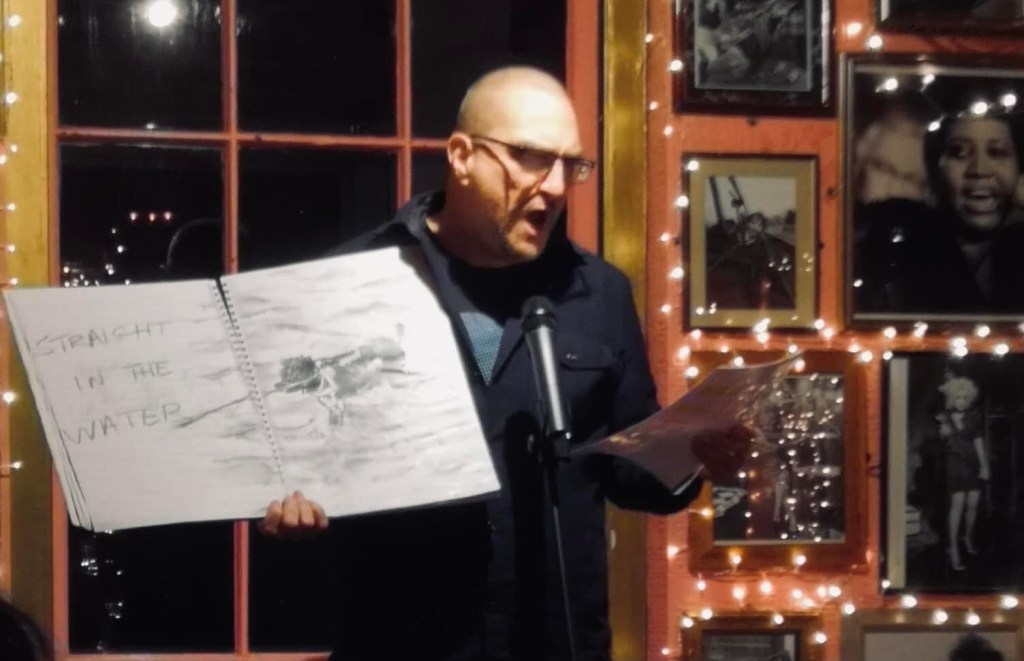
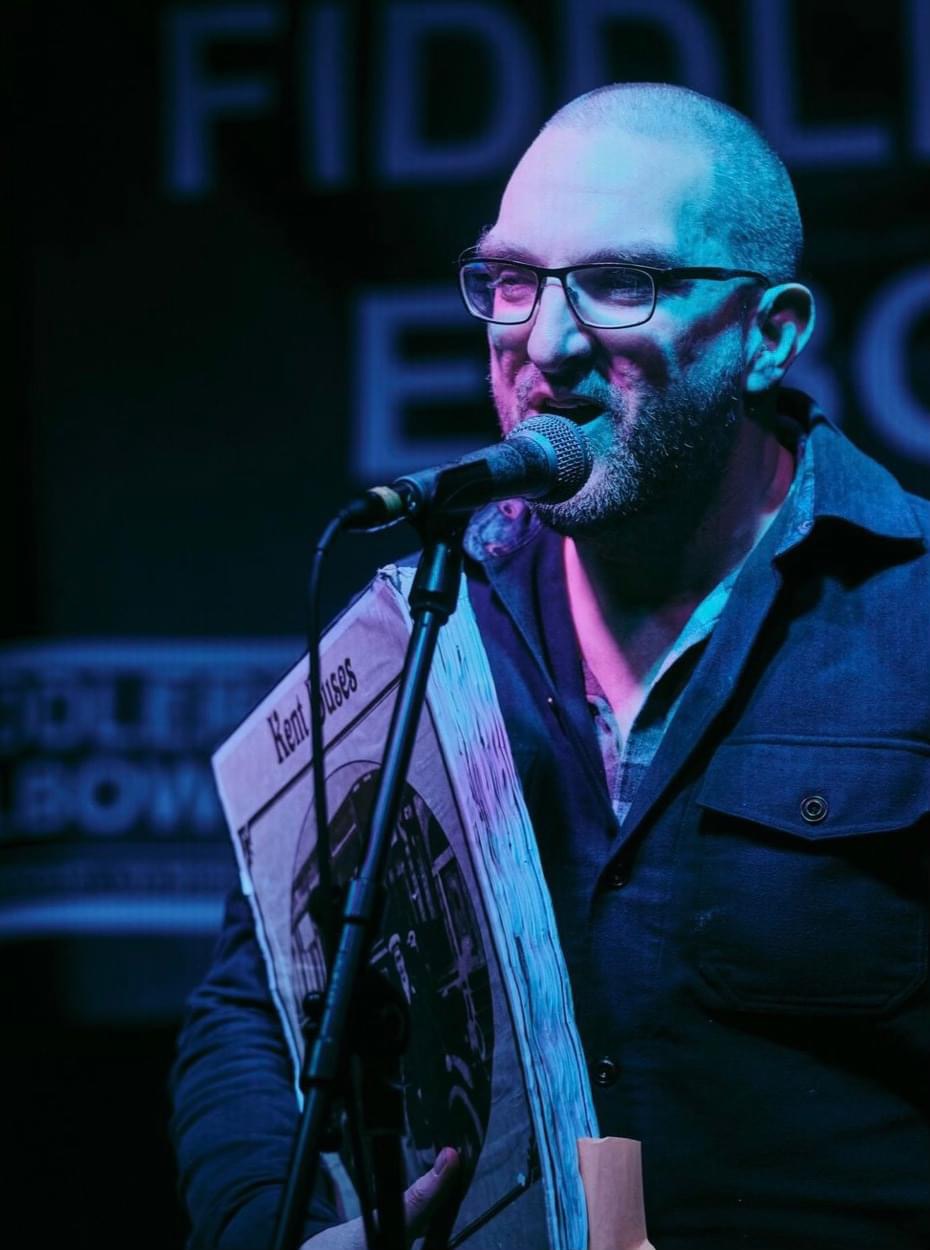
One of my favourites was very recently at That Goddamn Poetry Jam, Kid Anansi’s night at The Fiddler’s Elbow in Camden when I performed my poem Spokesfist. I have never heard an audience roar with such laughter at one of my performances than at that night – when I turned my back to the audience and started having a rather intimate conversation with my ‘speaking’ fist!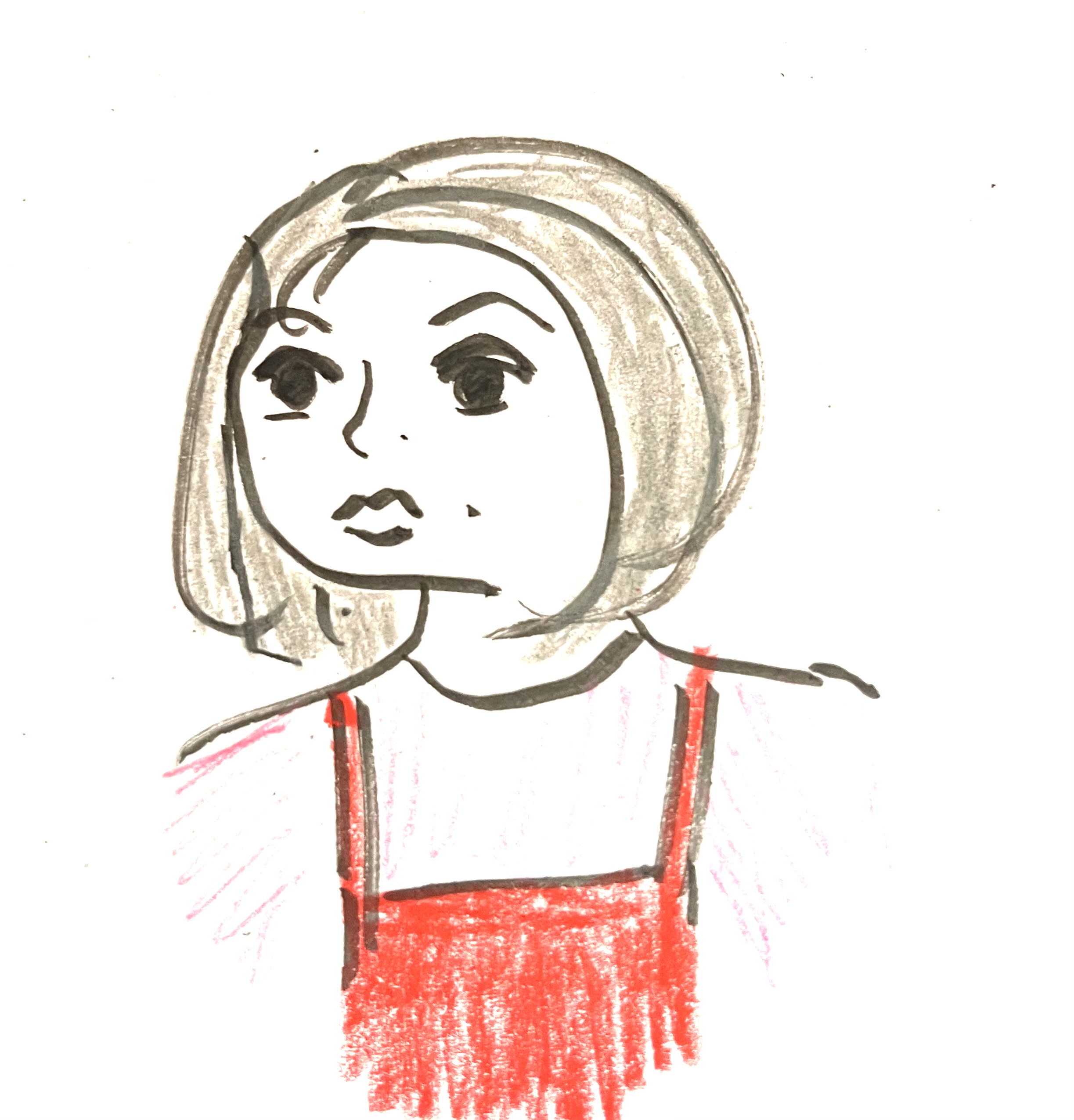

‘Worst’ …. Well, quite possibly is one I performed at an open mic in Beckenham a few summers back. The audience were far more interested in eating their pizzas than engaging with my poetry – the pizzas did smell rather good though!
I think that’s very generous of you to allow them that. We have to have a bad reading, it’s like a rite of passage. I bet you wished you were sitting there with them! 
Thanks for coming on the show and being such a wonderful, generous and fascinating guest. (Audience cheer loudly). 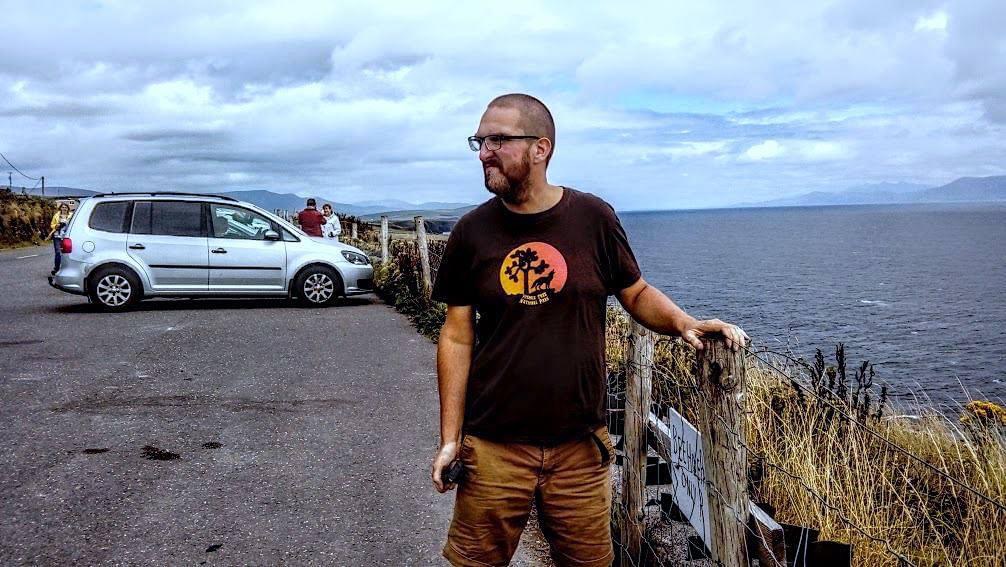
Don’t look now, Lee but I think Dobby’s returning with her mates. I advise you and Rufus to leg it – now! 
(Our esteemed guest and dog leave the building swiftly.)
Wasn’t Lee Campbell a wonderful guest, PL’s. Do click on those articles, they’re amazing reading. 
Thanks for joining us in the studio, Poetry Lovers, we’ll be back with more poetry action real soon……
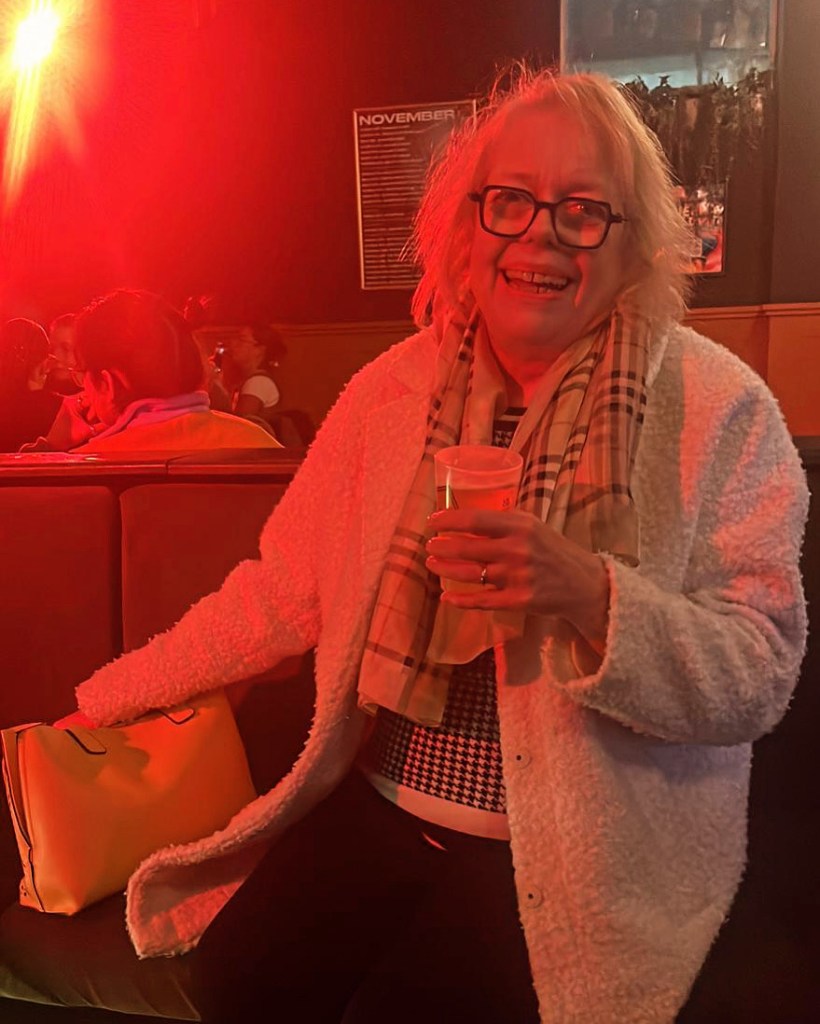
 Heather Moulson
Fascinating insight to Lee’s practice and the variety of opportunities for artistic expression – poetry is so versatile! Thanks for giving poets this platform Heather 💐💐💐
LikeLiked by 1 person
Bless you. Love featuring poets. You learn so much.
Thanks for your lovely words x
LikeLike
Will certainly read some of his articles.
LikeLiked by 1 person
Yes, Anne. Definitely worth a look. Lee’s work is so innovative. Glad you dropped by x
LikeLike
Art and words and film and voice – that certainly counts as multi-media creativity.
LikeLiked by 1 person