

Hello Poetry Lovers
Welcome back to the talk show studio. (Rapturous applause)
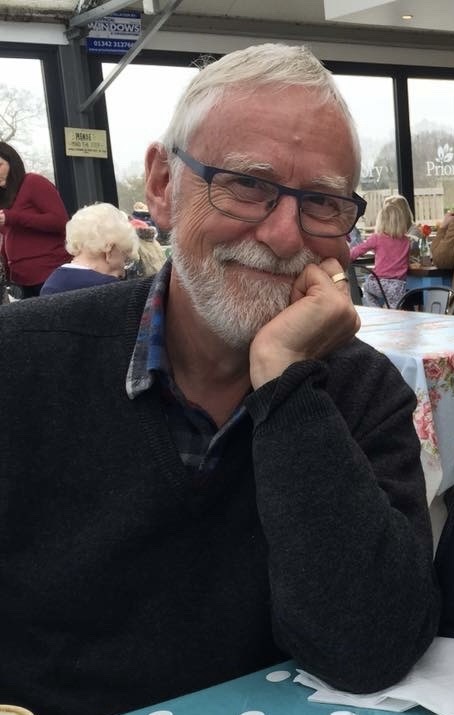
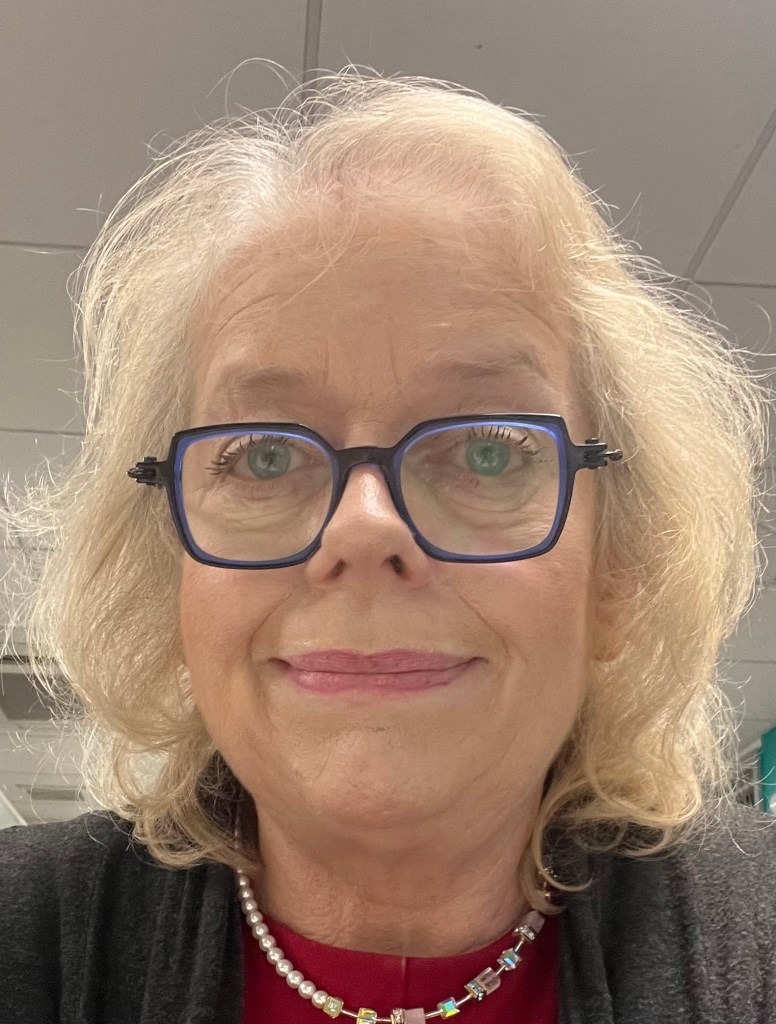
Today we have the honour of welcoming talented poet John Looker (Audience cheer) 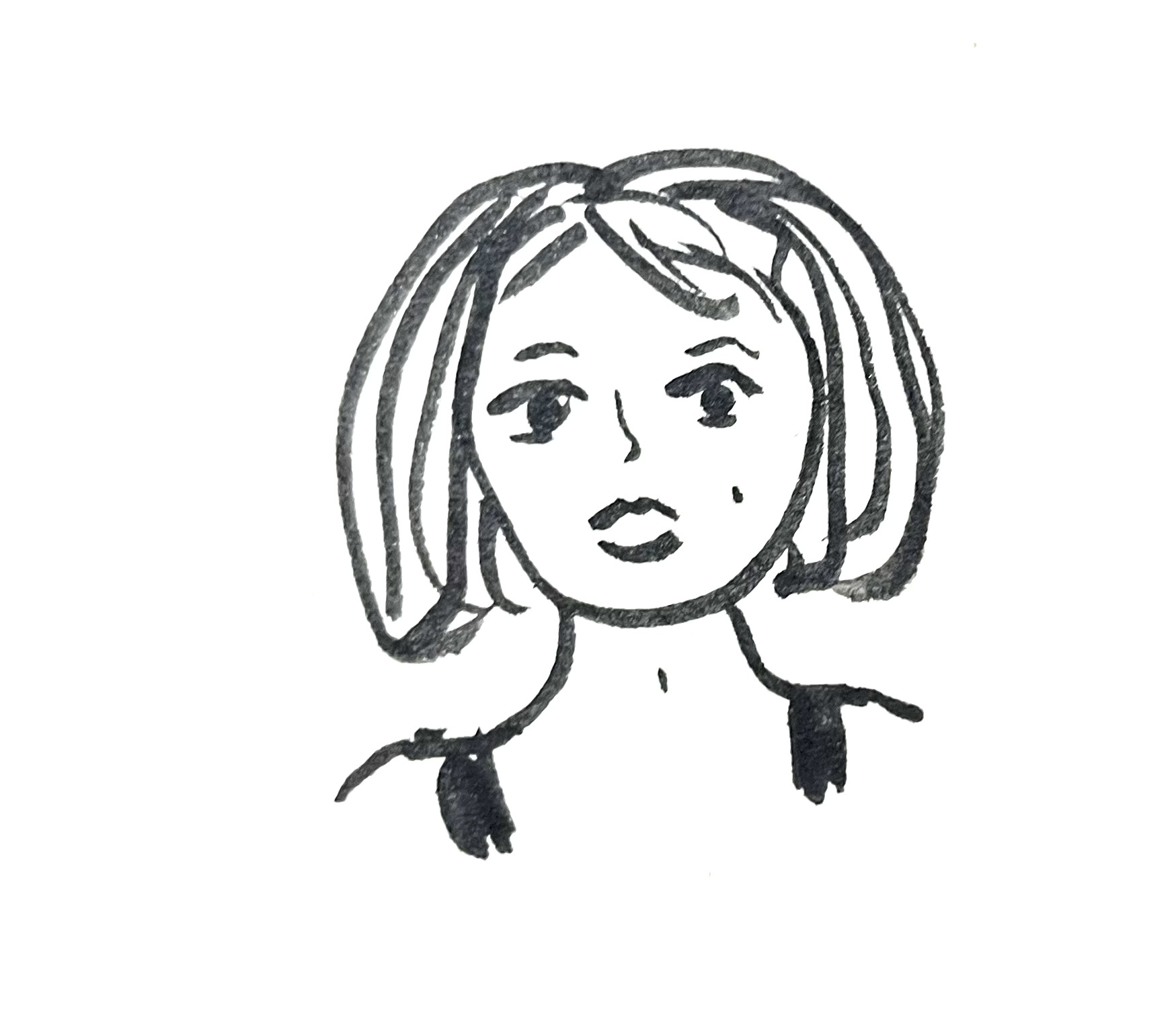
(Our esteemed guest glides down the lighted stairs to great applause)
Welcome to the show, John. I hope Dobby didn’t nip you on the way. 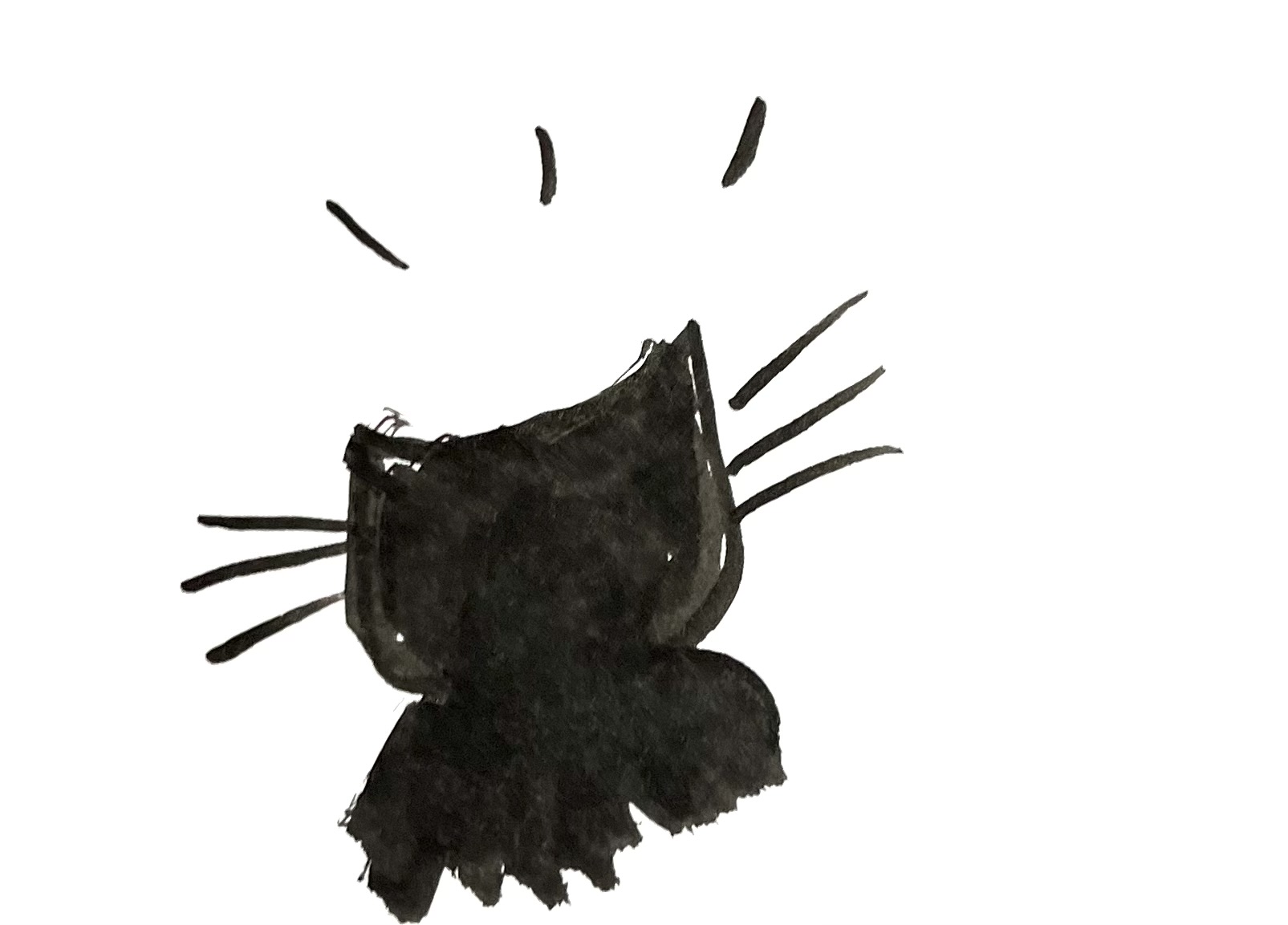
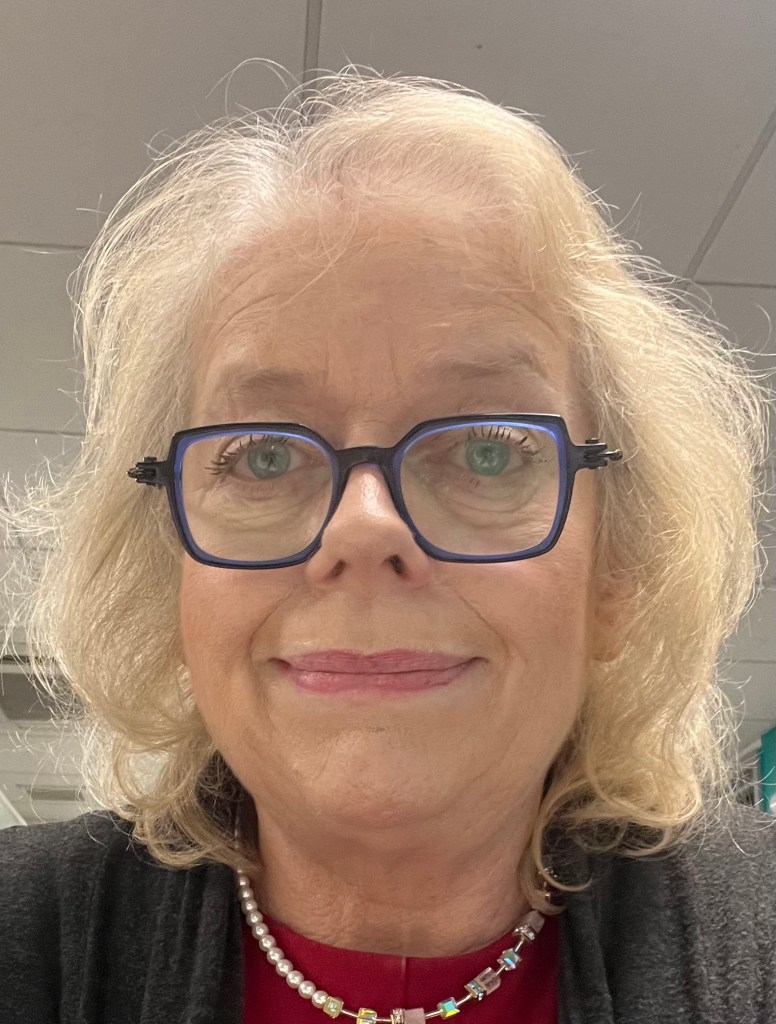
Why don’t you fill us in on your background?
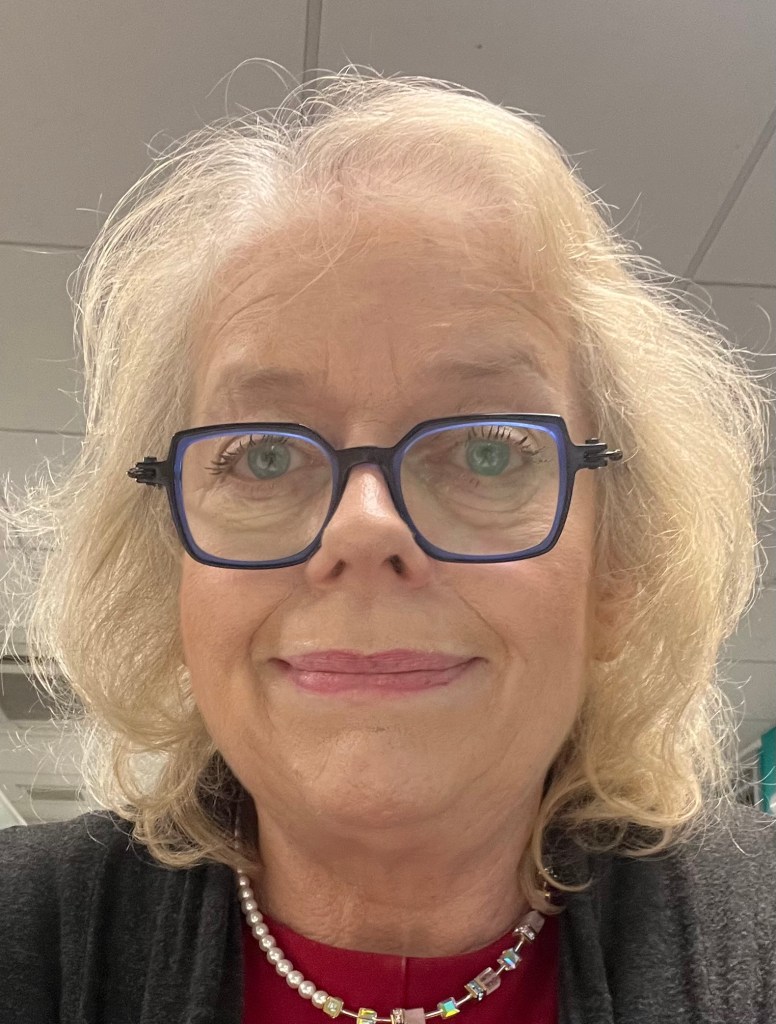
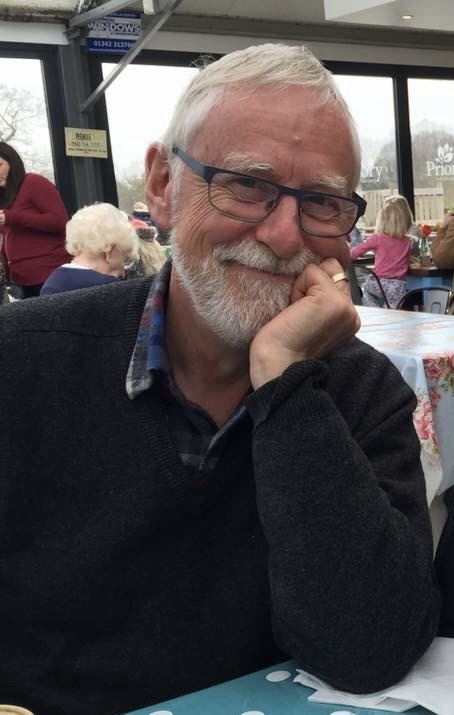
A pleasure to be here, Heather. I managed to give Dobby the slip (for now). 
I suppose I should start with a confession Heather, although I’m afraid you can’t claim it as a scoop: ‘John Looker’ is a pen name. It’s the name of my mother’s father who was killed in the London Blitz in 1940. I was born five years later and my parents named me John after him. 
Years later I felt some right to the name Looker, and also some obligation. In a family of immensely practical people, I was the bookworm and I sense that it comes from my unknown grandfather’s DNA.
He left us his books, the best books in the house. There was a glass cabinet with volumes of Shakespeare, George Bernard Shaw, the Rubáiyát of Omar Khayyám, Palgrave’s Golden Treasury and so on. When I was old enough I dug deep into these. 
Also I discovered a box far back in the cupboard under the stairs with the original John Looker’s books on theosophy and comparative religion – hidden because they were felt to be disturbing.
Other than that my life is unremarkable: happy childhood on the southern edge of London, uni, civil service career, happily married raising a family in the Surrey Hills, and now lovely grandchildren. 

I travelled widely through my work, though, and this fed into my poems. Often with a historical twist.
So for example, I was in Bogota and in their gold museum there was an exquisite gold sculpture from pre-Columbus days: a miniature raft carrying El Dorado, the prince covered in gold dust. Years later I used that in a poem. It began:
“Beneath his feet the raft rocks, unevenly.
Disdaining the cold, he stands proud
to receive the gift of the sun as it clears the peaks …”
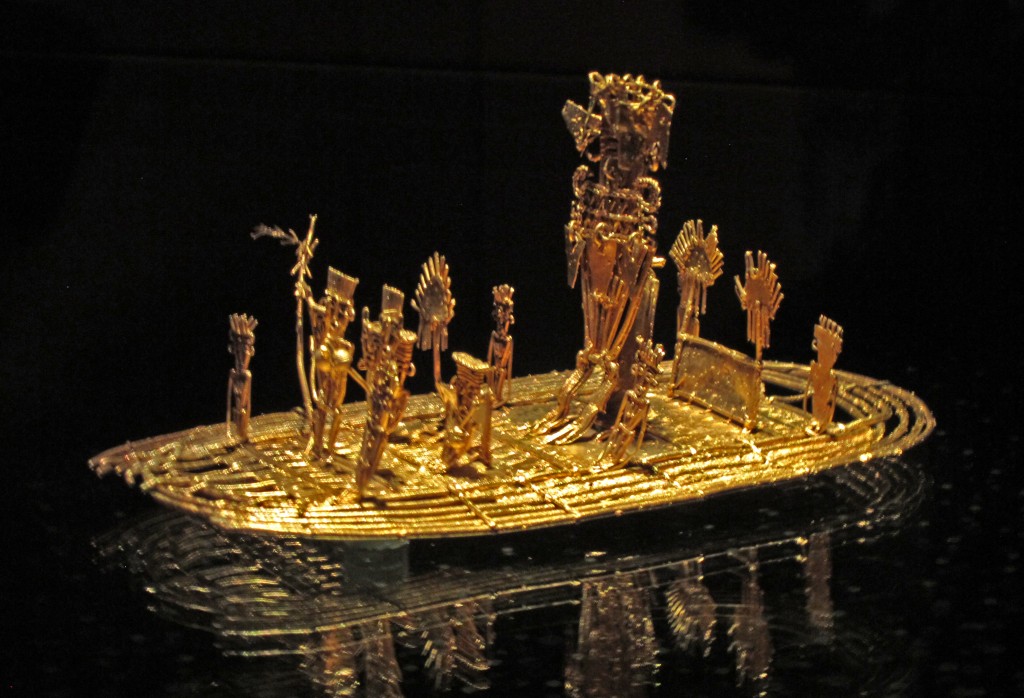
but it ended with intimations of the approaching conquistadors. That poem was published in an anthology marking the Austin International Poetry Festival’s 20th anniversary.
What a lovely personal legacy, John. I can see you treasure them. And taking your grandfather’s name is such a poignant link.
That is a stunning poem too, and I’m pleased it got the success it deserved. That miniature is so beautiful.
When did poetry become a part of your life?

As soon as I could read, I suppose. AA Milne, Lewis Carroll, Hiawatha. That’s pretty normal isn’t it?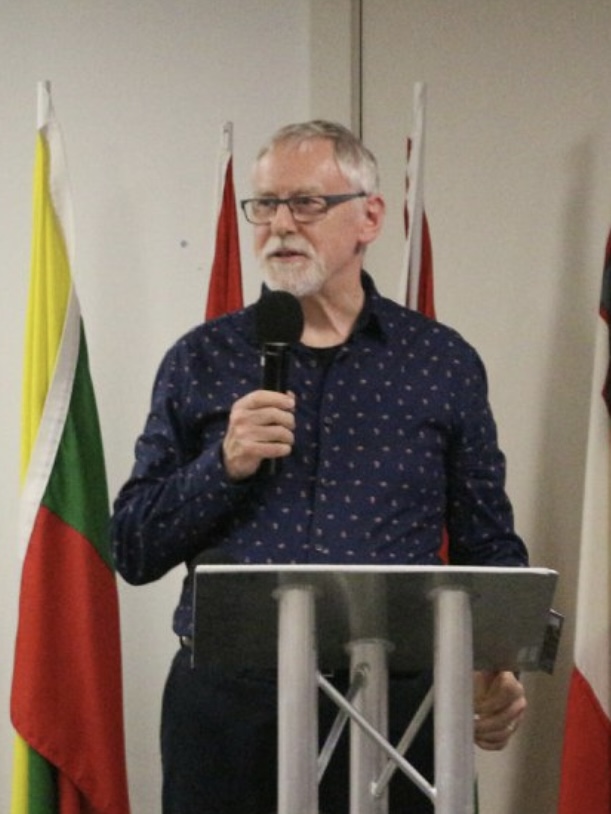
The trouble was, in my teens I became painfully self-conscious about reading and writing verse. I was afraid that poetry was for wimps and cissies: probably the influence of the Beano, the Dandy and too many boys’ comics. I hated Wordsworth’s daffodils poem. 

I remember one day, walking through the corridors at school, clearly saying to myself ‘I do NOT write poetry’. So for a few years I only wrote songs. It’s just that I was hopeless at tunes.
So, you were a composer too. Fascinating. Yes, there were many misconceptions about poetry that held us back.
Who were your biggest influences?
Well, my poetry-free spell came to an end when I was sixteen and allowed unsupervised access to the school library. I discovered three poets no one had told me about: John Donne, Wilfred Owen and DH Lawrence. They were a revelation. Clearly masculine. I was reassured that poetry was for men, for blokes.
A huge influence then was my English teacher, Mr Egford. He took us beyond the syllabus and introduced us to TS Eliot and others, and he encouraged me to write.
I might also point to a painter. Years ago there was a tv programme about Howard Hodgkin. He had canvasses stacked all round the studio and he explained how he would take one, put it on the easel and contemplate it, trying out minor revisions. He would have several on the go for months before signing one off. I find I do that with things I’ve written.

I see that I haven’t answered your question in the conventional way. My wife and I enjoy such a wide variety of poets together that I’m not sure where any influences lie.
We remember teachers like that, don’t we. And the library is a life-changing establishment.
Stunning painting, what an inspiration and such beautiful colours.
Are you working on anything at the moment?


Actually that’s not easy to talk about. I like a project. My first book looked at life through the emotions and experiences we encounter at work.
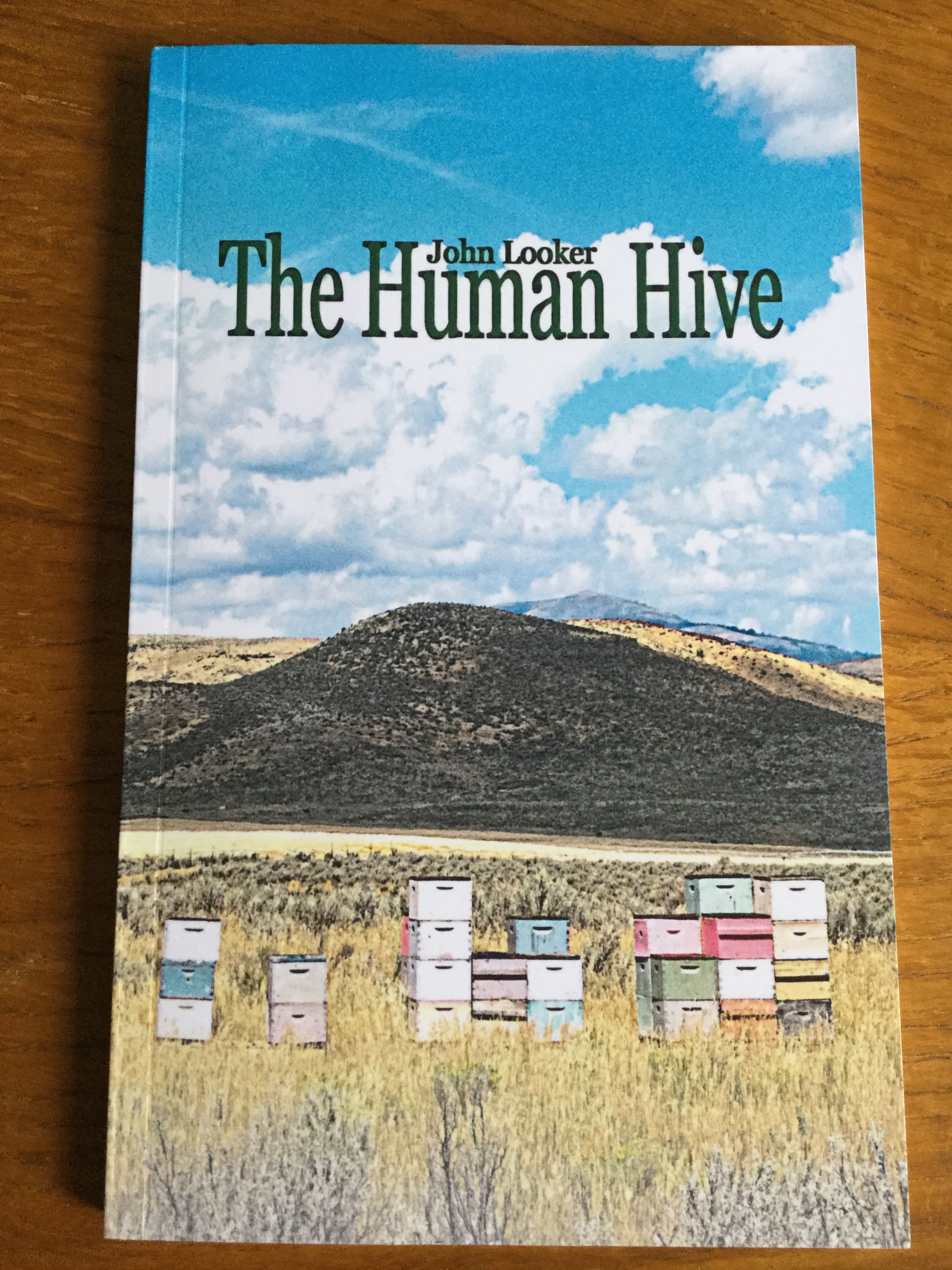
That was The Human Hive, published by the independent publisher Bennison Books. I owe them a lot because they also published Shimmering Horizons on the theme of the journey, the quest, the odyssey.
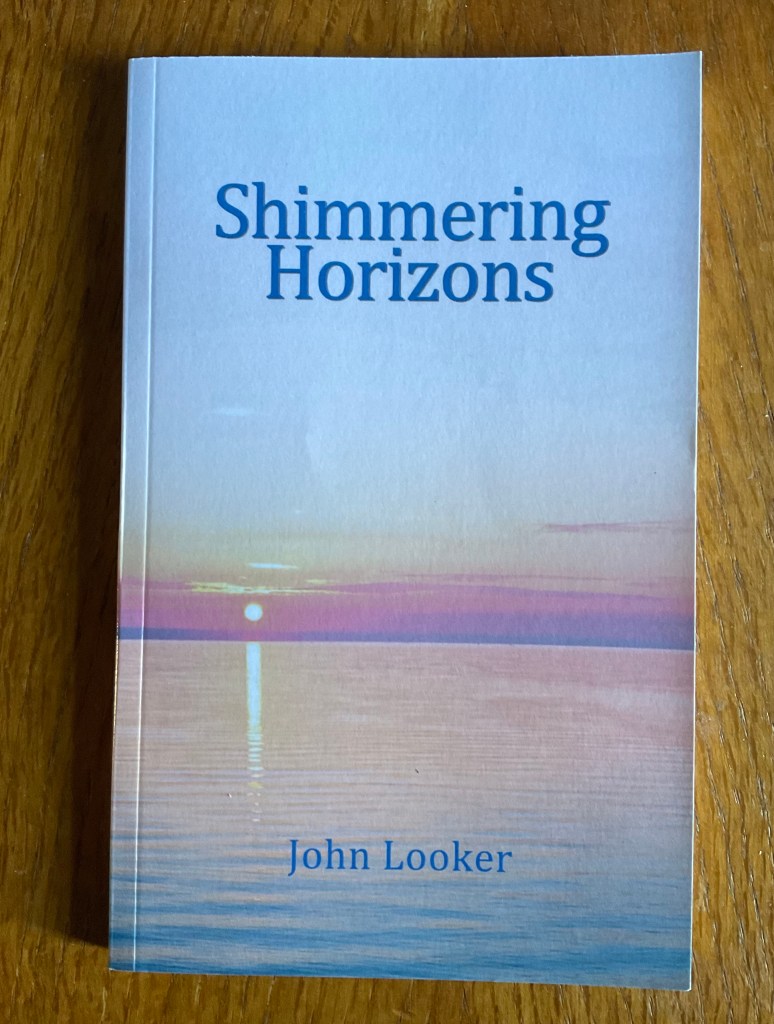
One thing those two books have in common is that they are not about me. Or not directly. They look outwards. They try to look for our common humanity – down the ages and round the globe.
There’s a new project I began in 2021 which should keep me happy for a number of years. It’s a sequence of poems which also looks at human life historically …
… but I don’t mind talking about something else. I decided at the start of 2023 to write a poem for each of our ten grandchildren, pitched as best I could for the interests and age of each grandchild – because they range from young adults to five years. 
It started when a granddaughter took one of my books to school to show her teacher an earlier poem about herself when a toddler. I’ve just finished and given the last of the new poems to a grandson. They’re not for publication of course. 


Ten grandchildren?! Oh what a great and personal project. You were very busy indeed!
So, (sweeps everything off the desk. Audience gasp) …..
What is the best poetry gig you have done? And the Worst?!

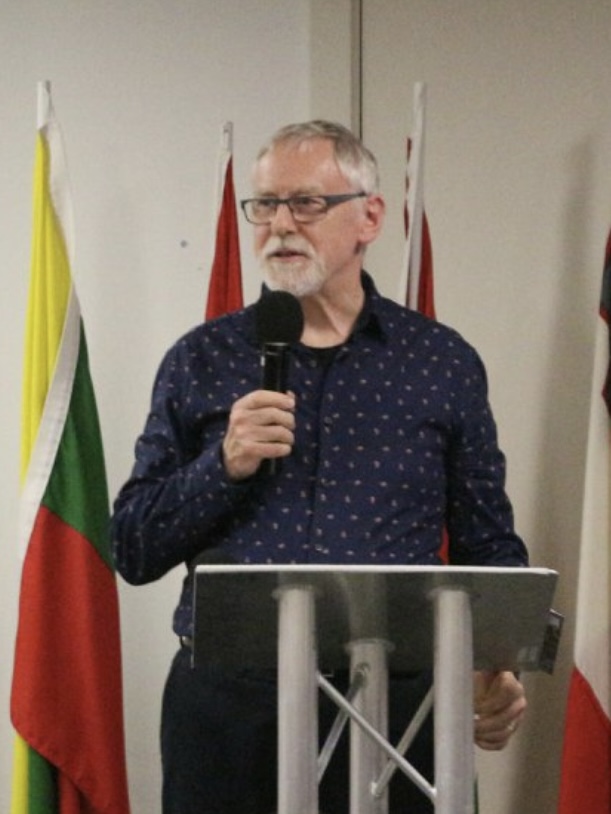
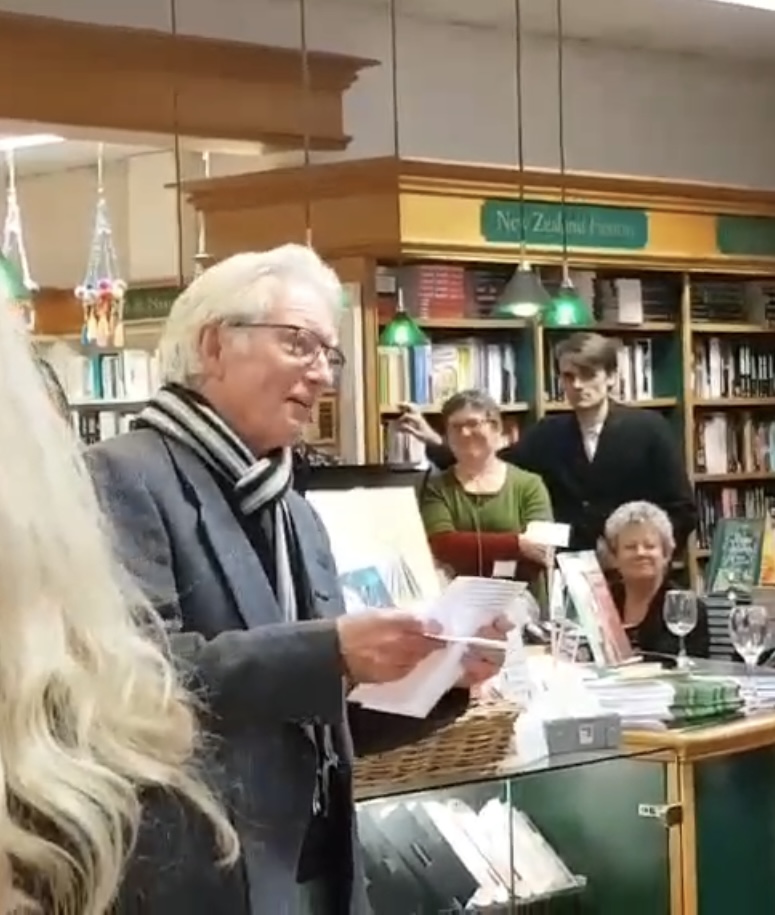
I’ve never performed in a gig. Although Magma once invited me, and others, to read at the launch of their European issue. My poem was about three exhilarating moments in European history: the arrival of Christianity, Petrarch and the Renaissance, and Copernicus. 
There was also the launch of an anthology in New Zealand, published by the Caselberg Trust to round up the winners and runners-up from their annual competitions.
I had a poem in it called Conversation with a Sea Lion. I wasn’t able to get there but two daughters live in Dunedin and they went and were made very welcome.
My poem was performed by Peter Haydon, a New Zealand actor and tv presenter. They sent me a video. He was brilliant. The poem is on my blog at https://johnlooker.wordpress.com/2020/11/25/conversation-with-a-sea-lion/
But if you’re looking for a memory of something embarrassing, I can think of a grandson who came home from school complaining about a poetry lesson saying “Even Grandpa’s poems are better than that!”
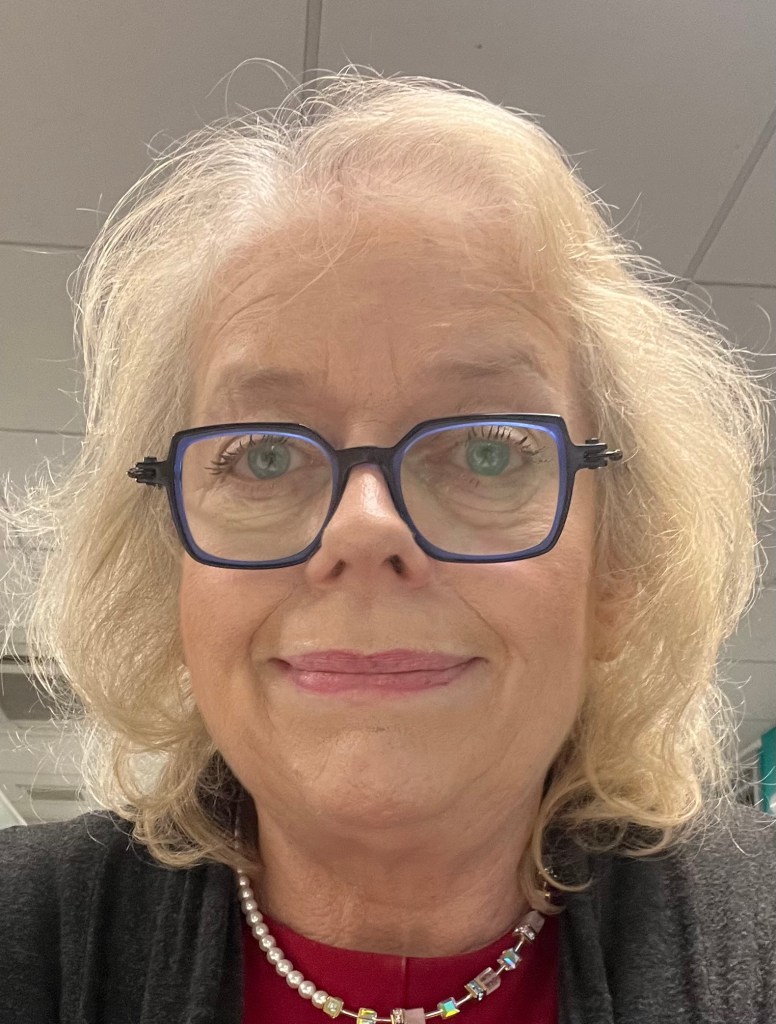
They don’t pull any punches, do they?!
Thank you for being such a fascinating guest. Are you out on the town tonight ?
I’d better lay low, Heather. Dobby and her pals are out there!
(Our esteemed guest legs it up the stairs – fast. Cries of pain follow)

Oops! Looks like Dobby got to John after all! Wasn’t John Looker a wonderful guest. Very interesting. Do look at John’s site, it’s a real treat http://Johnlooker.wordpress.com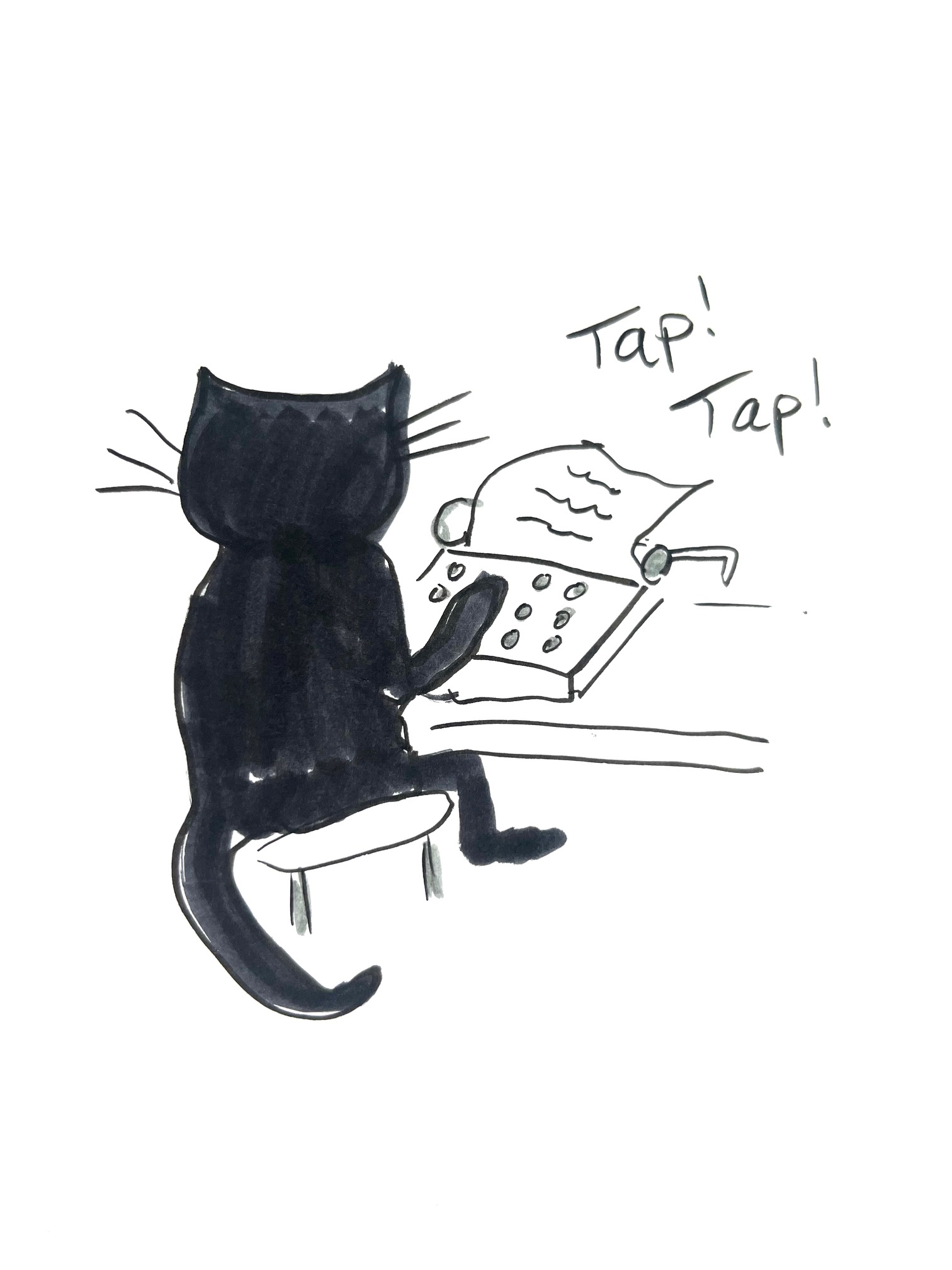
Thanks for coming to the studio, PL’s. We’ll be back with more poetry action real soon.

 Heather Moulson
Great interview 🤩🌟
LikeLiked by 1 person
Ah thank you. I really enjoyed interviewing John x
LikeLike
Thank you for this invitation Heather, and for your warm hospitality (you’ll excuse me if I don’t say anything about Dobby!)
LikeLiked by 1 person
Yes, a subject best avoided. Thank you for coming on the show and being such a great guest
LikeLiked by 1 person
John Looker is one of the world’s best poets, I think. I am glad to see the interview here.
LikeLiked by 1 person
Yes, a lovely poet. Thanks for visiting, Thomas
LikeLike
Hi Tom – you’re a loyal friend!
LikeLiked by 1 person
Really enjoyed this interview. 🙂 Bennison Books is very proud to publish John’s work.
LikeLiked by 1 person