
Yes, Poetry Lovers
you heard right! We’re back in the talk show studio. 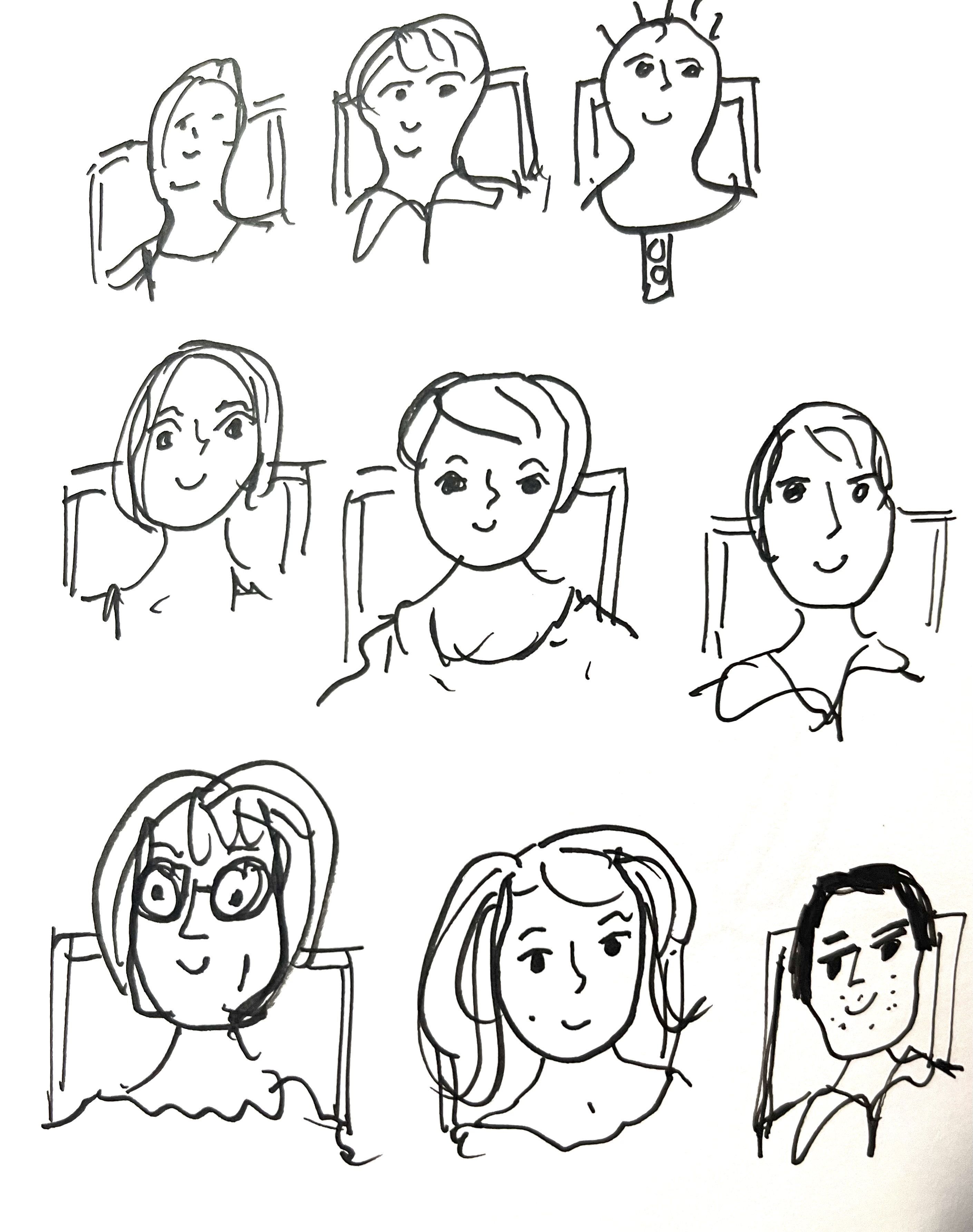
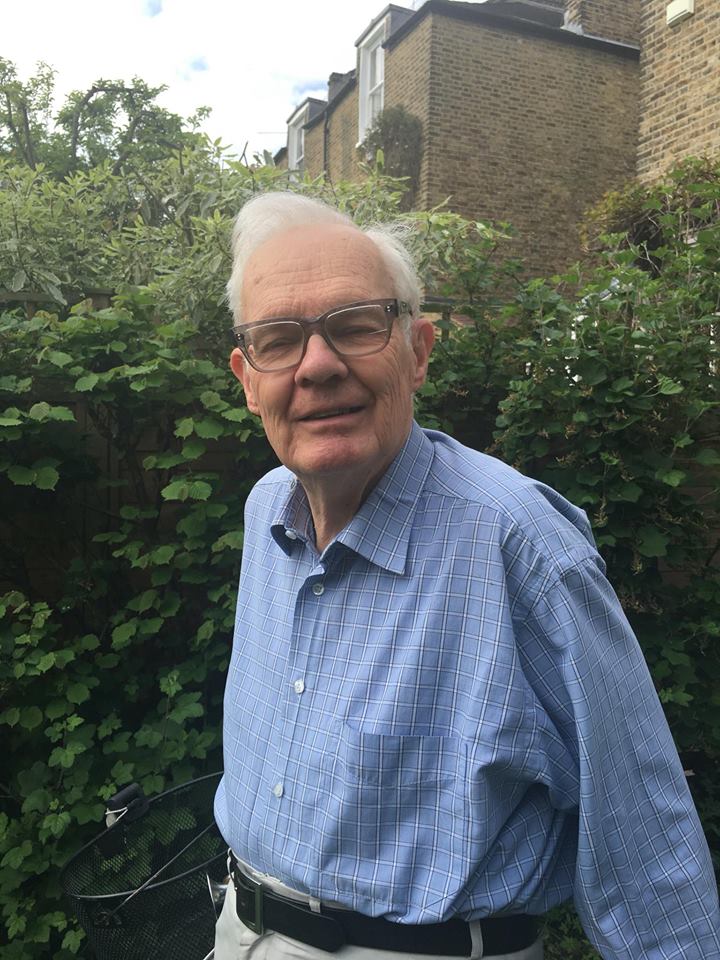
Today, our esteemed guest is that enigmatic and very talented poet Connaire Kensit! (Rapturous applause)
Now, settle down and make our guest welcome. (Connaire glides elegantly onto the talk show set).

Welcome to the show, Connaire. I’ve been looking forward to having you on for some time. Please fill us in on your background;

Connaire
Well, Heather, I had three Irish grandparents and one English granny. The family was middle class, but not rich. My mother and her mother had little education but plenty of traditional skills. 
My father had studied English and French Literature at Cambridge University; he worked in education, and served in anti-aircraft gunnery during the war. 
My mother also spoke French, acquired working in France as an au pair. When I was six they got my sister and me speaking French: we used it as a second language. This was my first step towards a career in linguistics. I worked on several other languages as a teenager, then at University studied Chinese with subsidiary Japanese. With each language I looked at its poetry.
My more distant Irish relatives were Christian, but I have no religion; I’m a third generation Humanist.
That’s so impressive, Connaire. A bilingual background is a real asset. 
When did poetry become a part of your life?
With nursery rhymes, playground skipping songs, and then school English lessons, of course! I’m old enough for a song to be something you sing, rather than play recordings of, and as a teenager I started translating songs into English or French, from French, English or Dutch originals. 
The translations were for singing to the original tune, so I had to match the original verse form. I still do verse-translations like that; the hobby came in handy when later I taught a module in literary translation. 
Verse-translating is a way of producing poetry without having to think of anything to say, a bit like buying half-baked bread rolls to finish off in your oven at home. I did it long before writing any original poems of my own.
From 1972 my job included teaching linguistic science to students of literature. A convenient way of presenting linguistic concepts such as phonemes, morphemes, syntagmatic and paradigmatic relations and so forth to these students was to use examples from poems they were studying as literature. 
To prepare my lessons I would analyse the structure of poems and work out how the poets must have gone about constructing them; it served as training in the poet’s craft. In 1978 it occurred to me, “I could do this myself”, and I began writing poems of my own.
1978 was a good year!
Which poem or collection is your personal favourite?
I find some poems more rewarding than some others, but which I like best varies with re-readings. I have a favourite haiku, one by Buson (Japanese,18th Century), which I translate Something stabs me: stepped on in our room, my late wife’s comb. So much implied by so few words!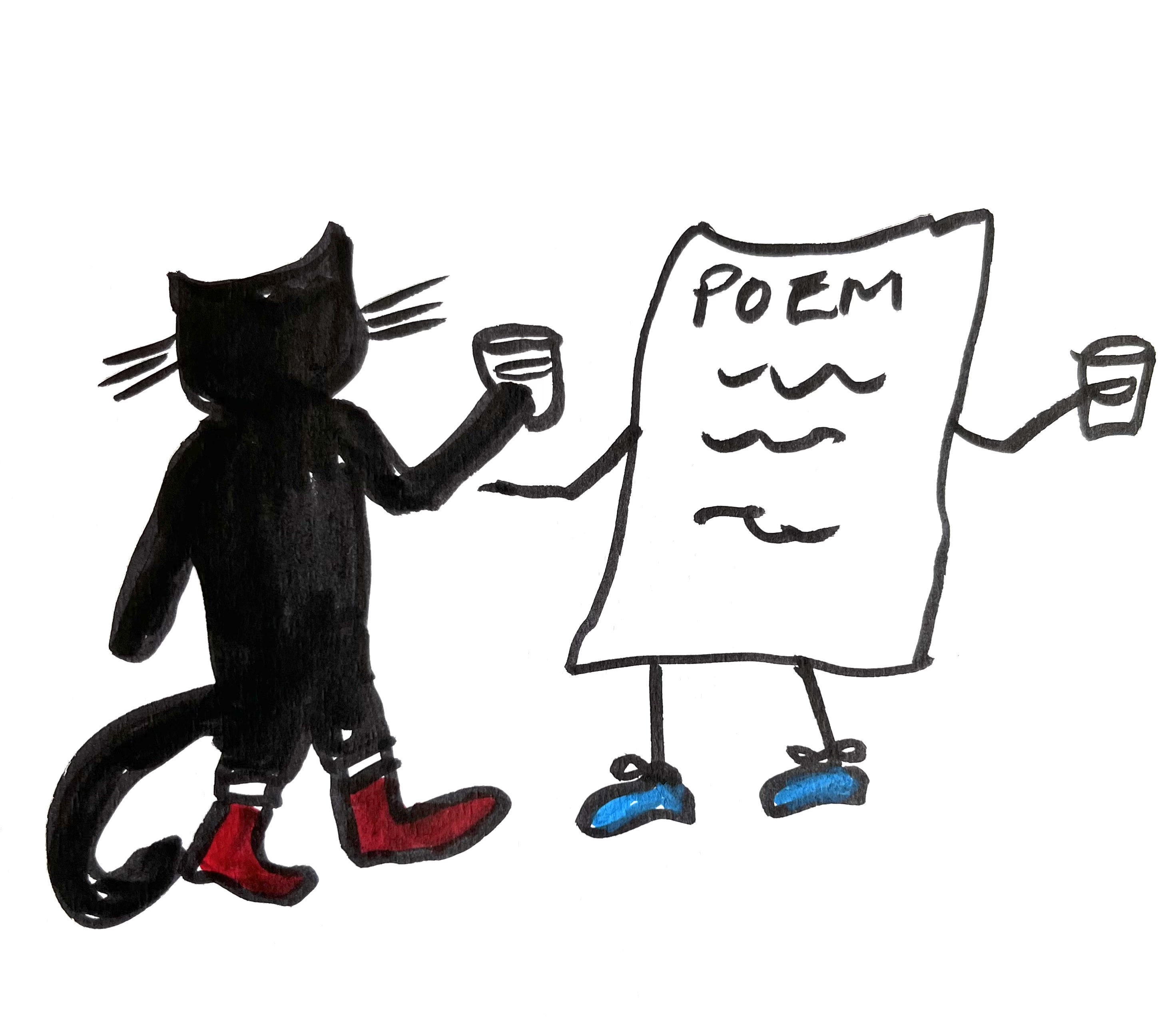
Among narrative poetry collections I’m much impressed by the Lais of Marie de France (French, 12th Century). Such simple, lucid language, ideal for performance to an audience keen to know what happen next!
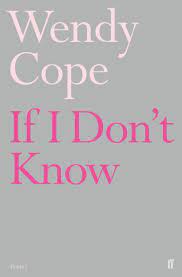
Among poets of our own time and place my current favourite is Wendy Cope. I love her mastery of rhythm, and her wit.
I love that amazing haiku. 
What are you working on at the moment?
At any given moment I always have a bunch of unfinished poems. Some of them get finished soon, some after months or years. Can I be said to be “working on” what’s sitting in a drawer?
In 2016 we had a Putney Verse Workshop session on mnemonics (things like Thirty days hath September, April, June and November . . . ).  I thought of writing one for remembering the names and order of geological periods—Cambrian, Carboniferous, Permian, Cretaceous and so on. I started on this but it began to grow into a lengthy epic on Earth History. I’ve done a few dozen lines and got as far as the Ediacaran era (just before the Cambrian). But new discoveries in earth sciences are coming thick and fast, so I’ll need to update my knowledge before continuing.
If I ever get it finished it will be several thousand lines long. It could be useful for geology students.
We’ll be fascinated to see the result. What’s the best reading you’ve done and the worst?
By “reading” I take it you mean public performance of poetry?  In the past ten years I’ve been consciously working at improving at this, so logically my best performance should be my most recent, which has also been my most carefully prepared, and for which I had expert guidance from Ken Mason and Anne Warrington; that is my small part in the Cry Freedom show at Hampton Hill on June 4th this year.
My worst was probably in extracts from Hamlet in a school English lesson around 1955. This was before I learned to understand Shakespearean English, and one can’t perform well what one can’t understand.
That is so true, Connaire, but still we do it. Yes, your performance in Cry Freedom was stunning. You should be proud of that.
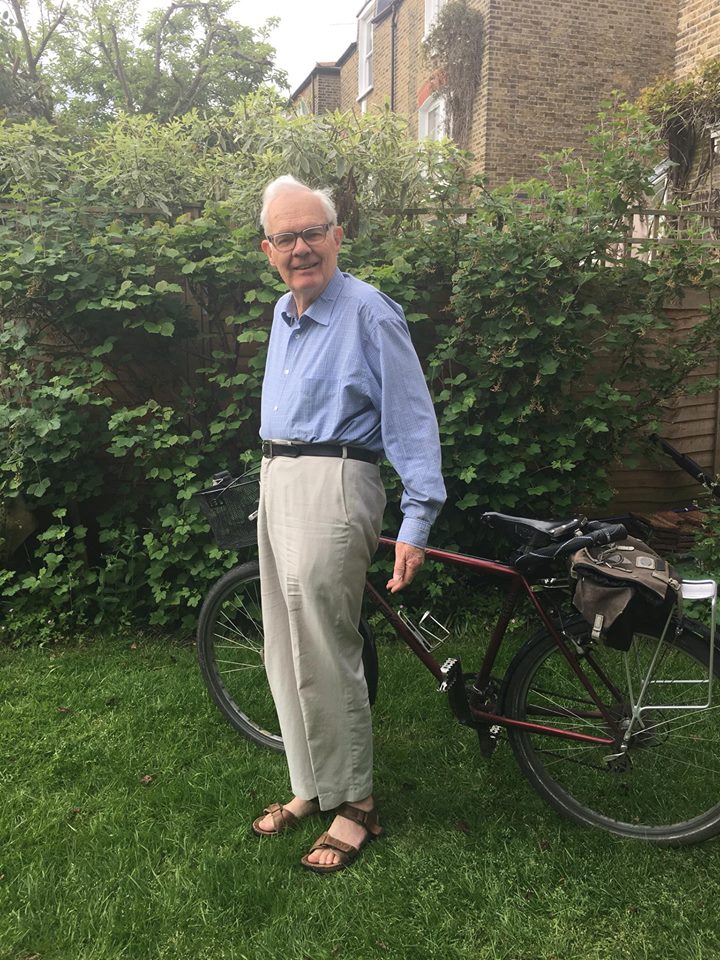
Well, thank you for coming on the show, Connaire and giving us such an insight to your life and work
(Rapturous applause as Connaire leaves the building). 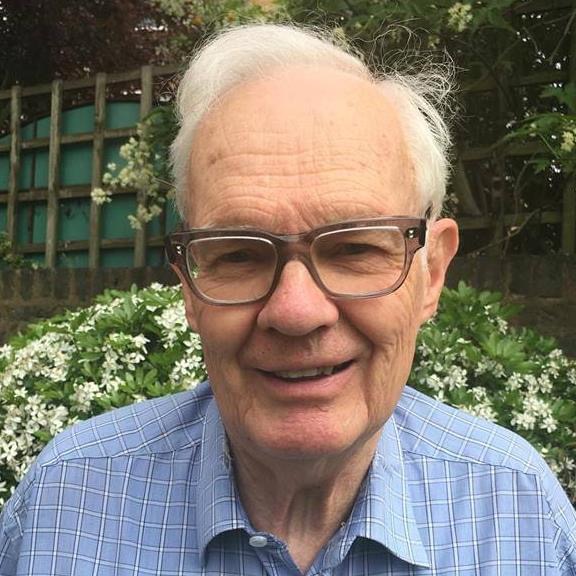
Wasn’t Connaire a terrific guest, Poetry Lovers?!
Thank you so much for coming to the studio. We’ll be back with more poetry antics real soon
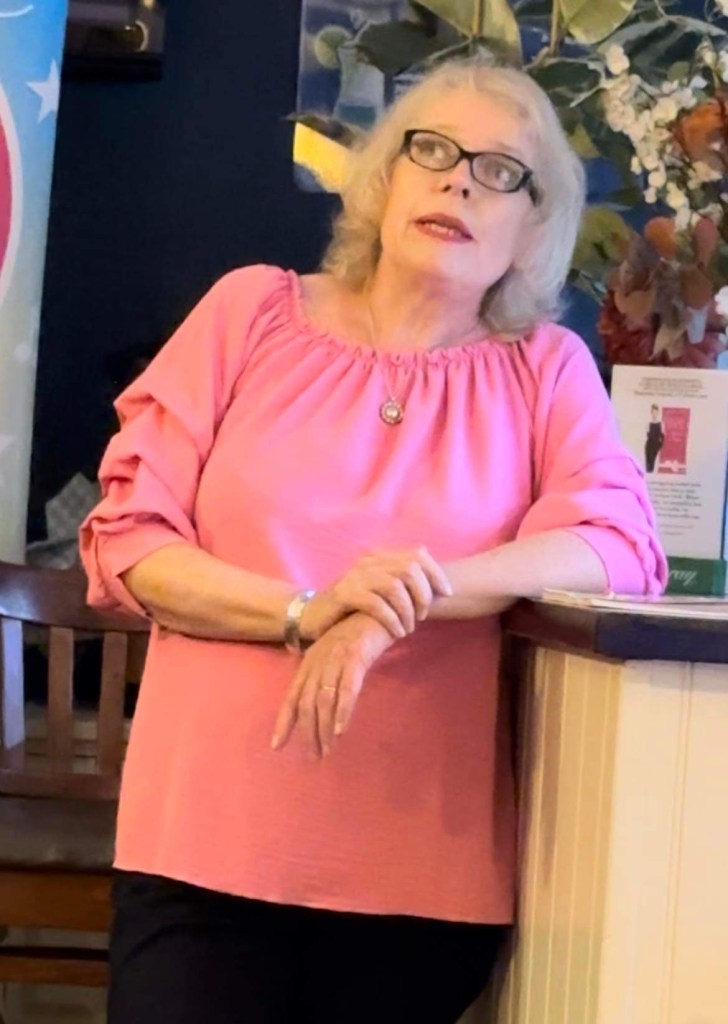


That was fascinating Connaire. You know how to get the best from your guests Heather
LikeLiked by 2 people
Excellent interview Heather and Connaire has certainly led a colourful life and achieved so much and it was a pleasure to perform alongside him in Cry Freedom and always enjoy his professionalism at the Adelaide.I might add one of my poems in my 2nd book is called “Interview” as I used to interview candidates myself when I worked for British Airways in Sales and Marketing.
LikeLiked by 2 people
Thank you both for visiting. Fascinating poet, isn’t he
X
LikeLiked by 1 person
Thanks Heather, very nice.
LikeLiked by 1 person
Thanks for being such a good and enlightening guest x
LikeLike