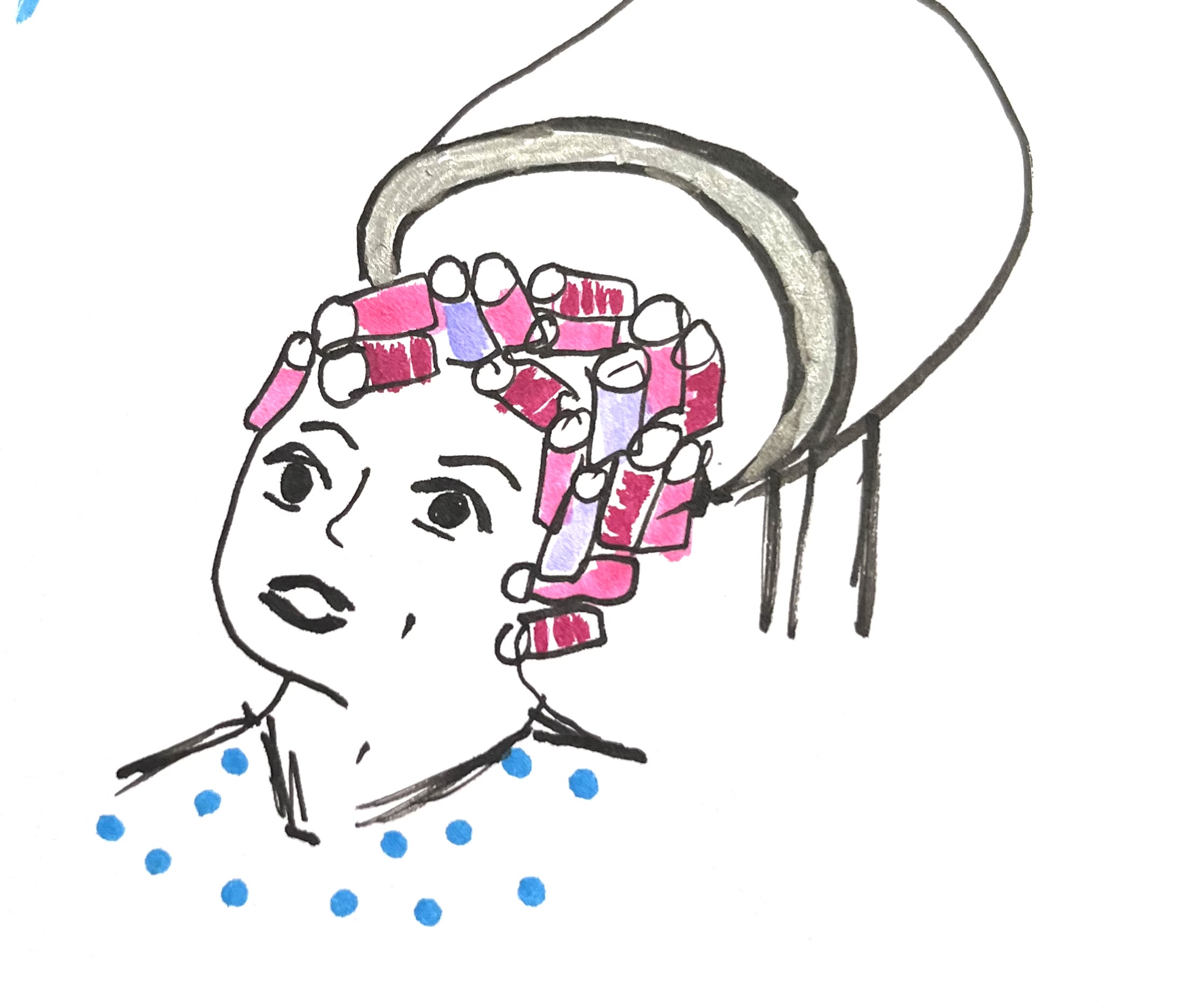
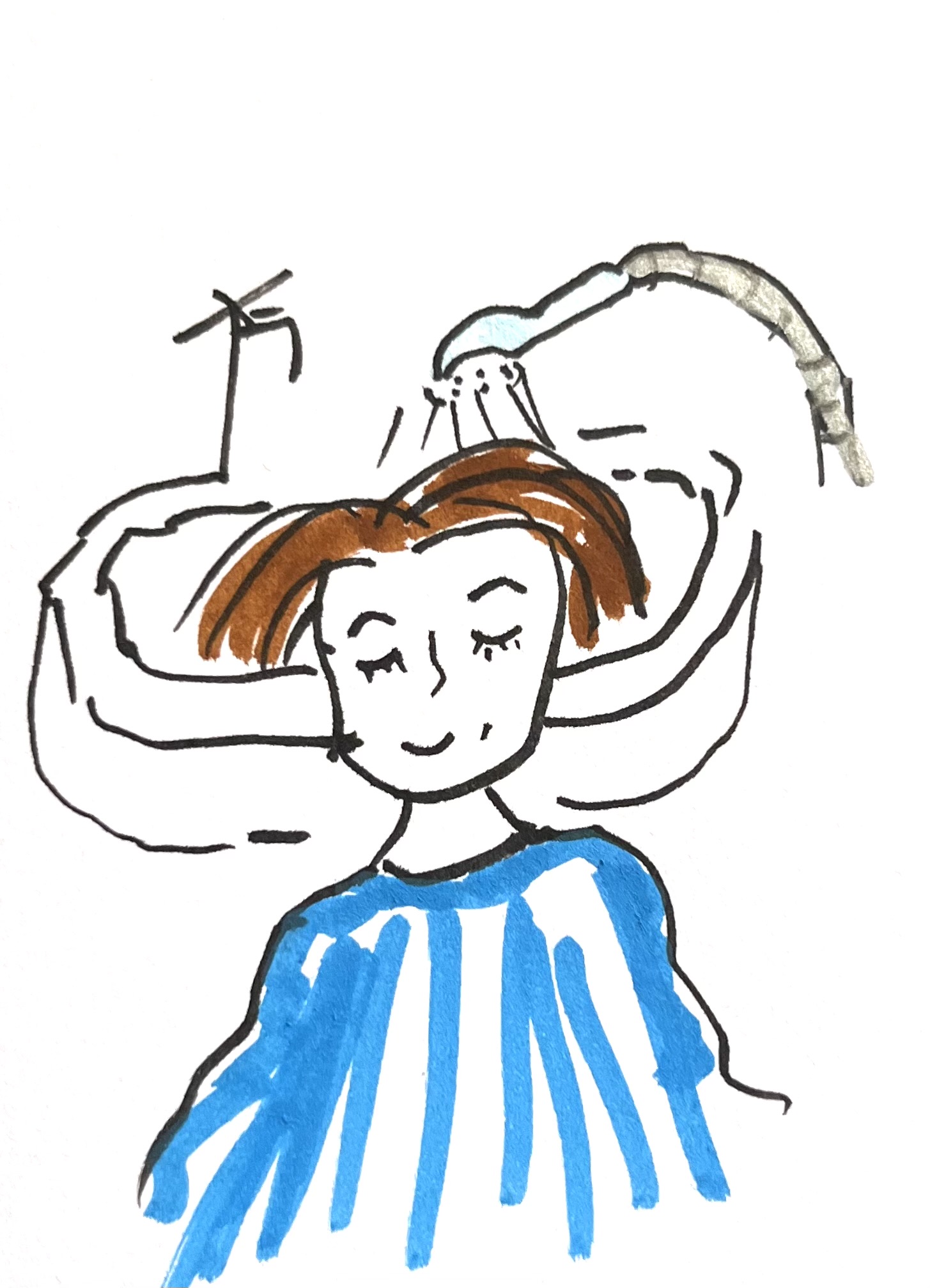
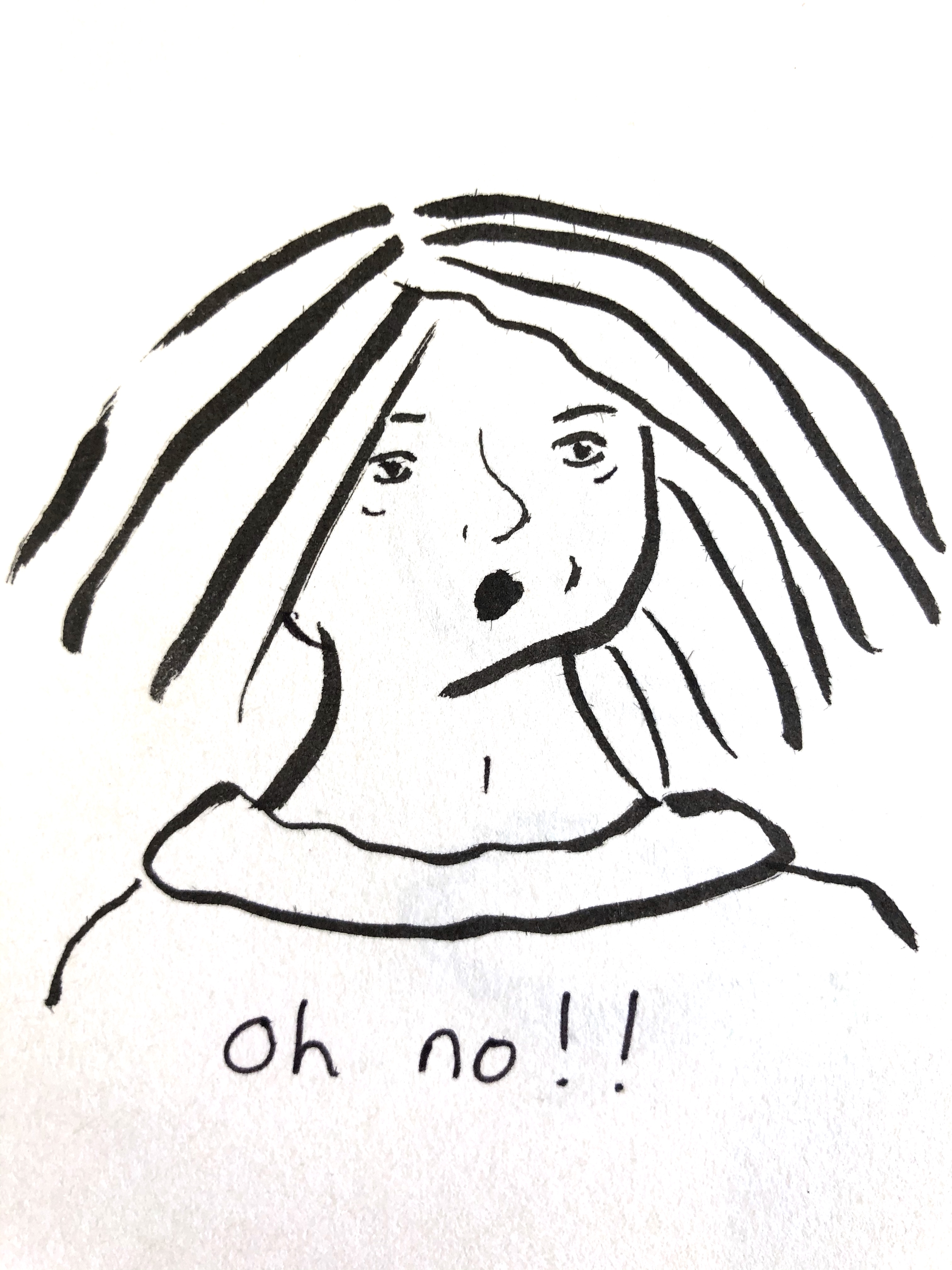
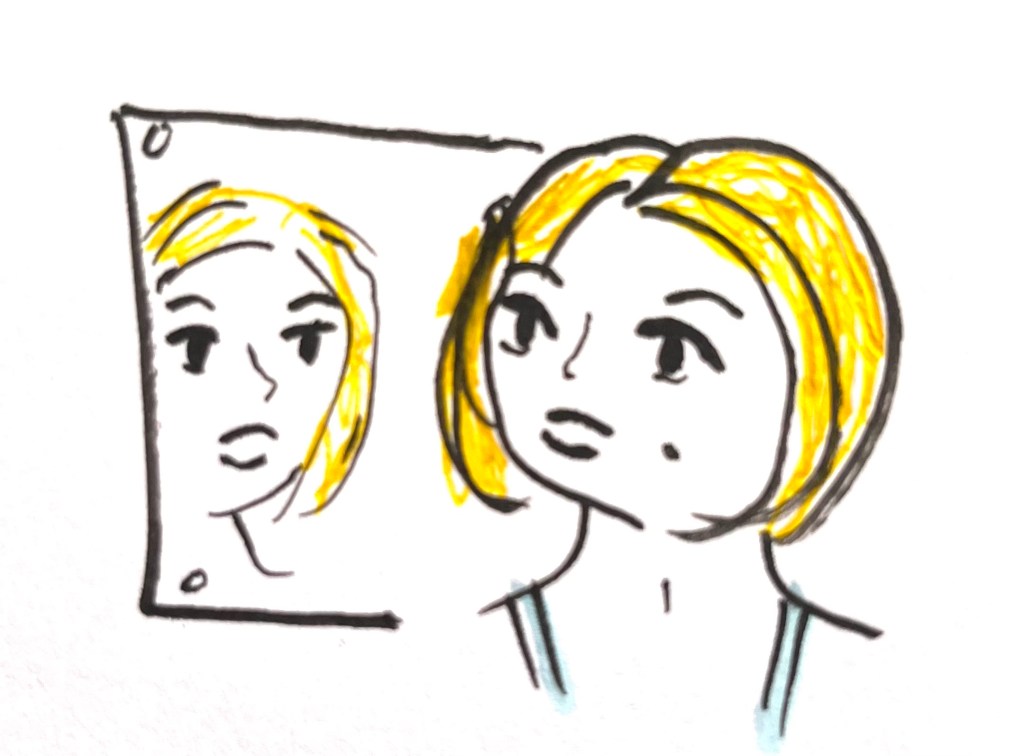
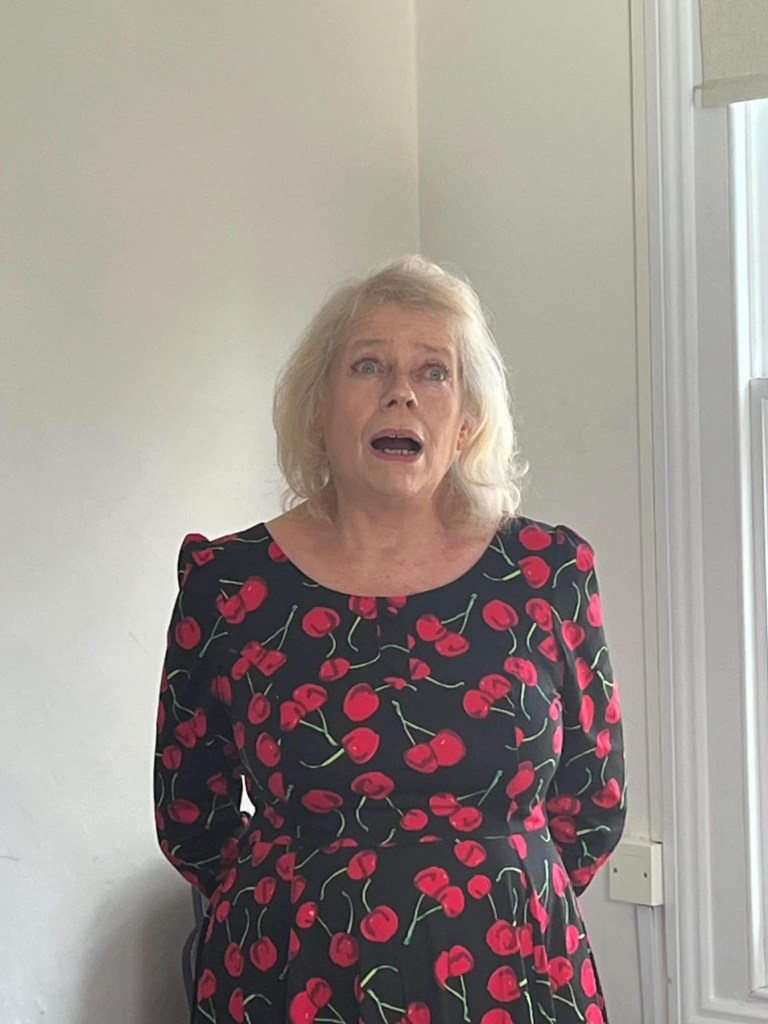
I know hairdressing techniques have changed unrecognisably over the years, and a good thing too.
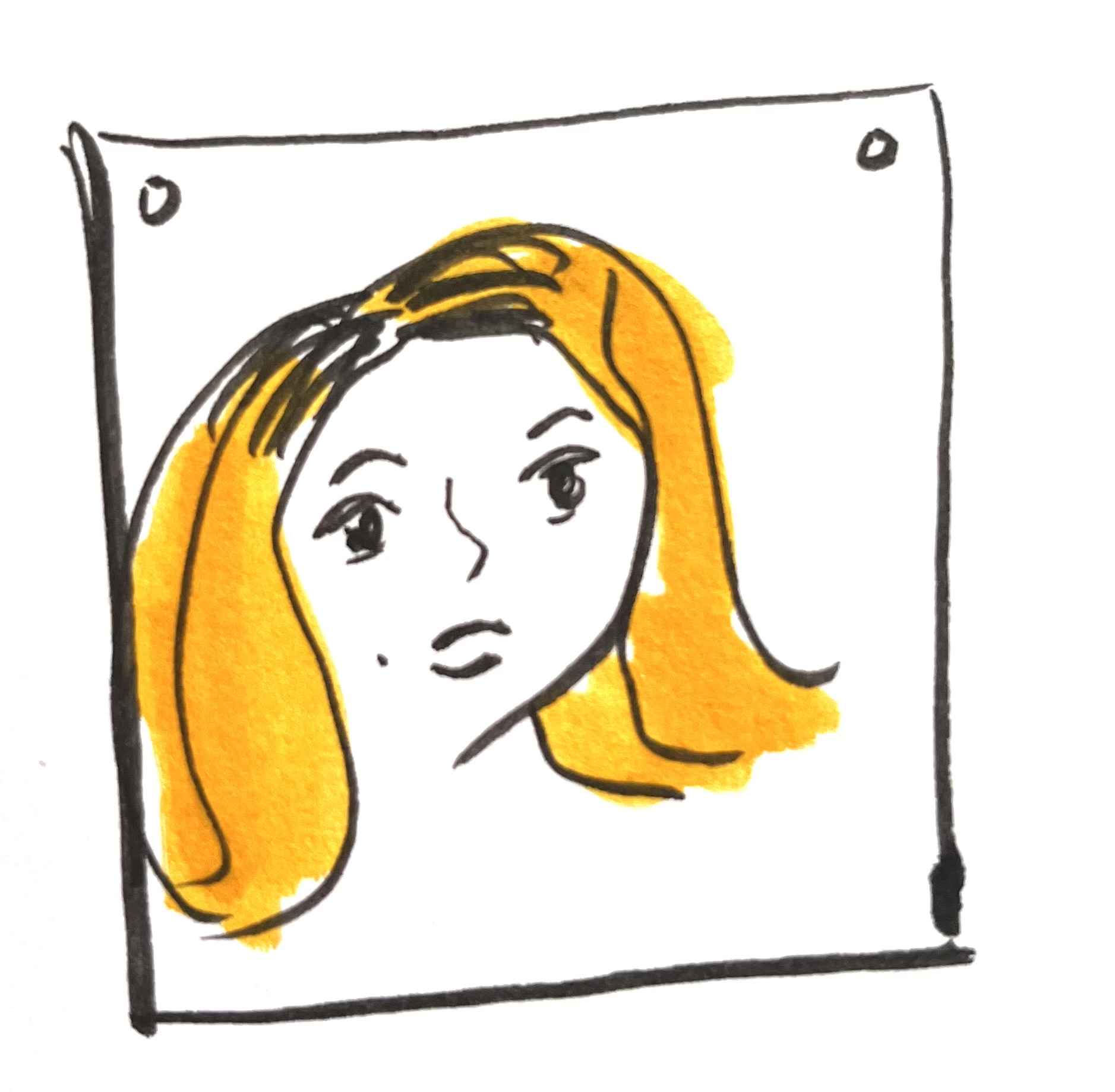
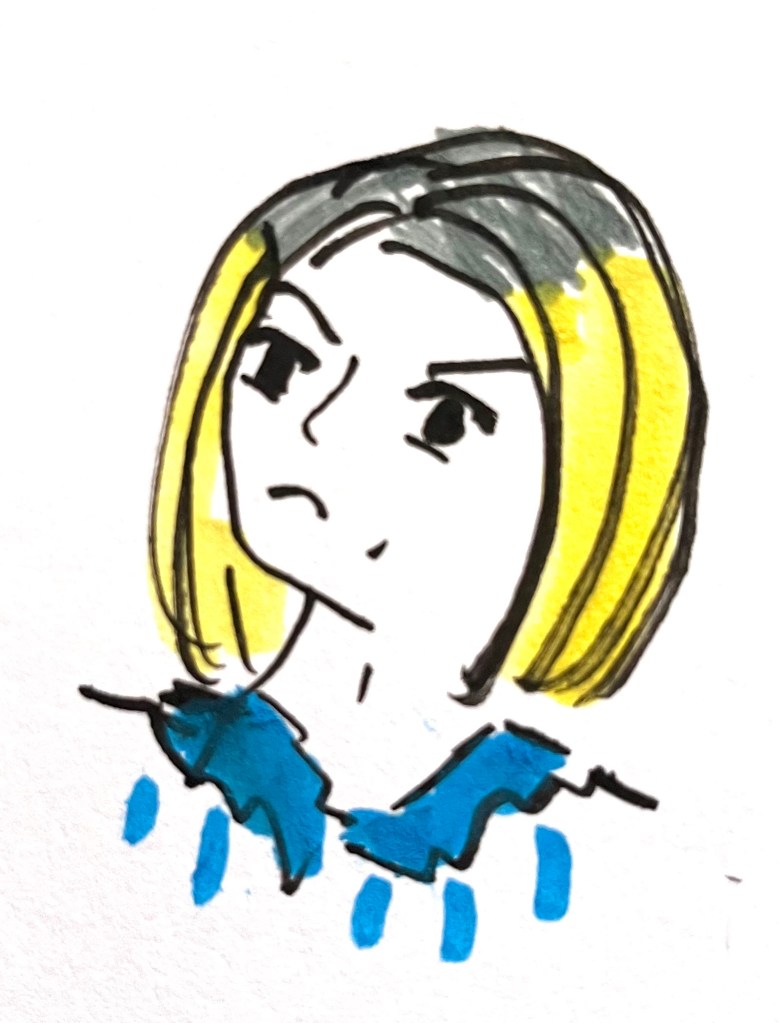
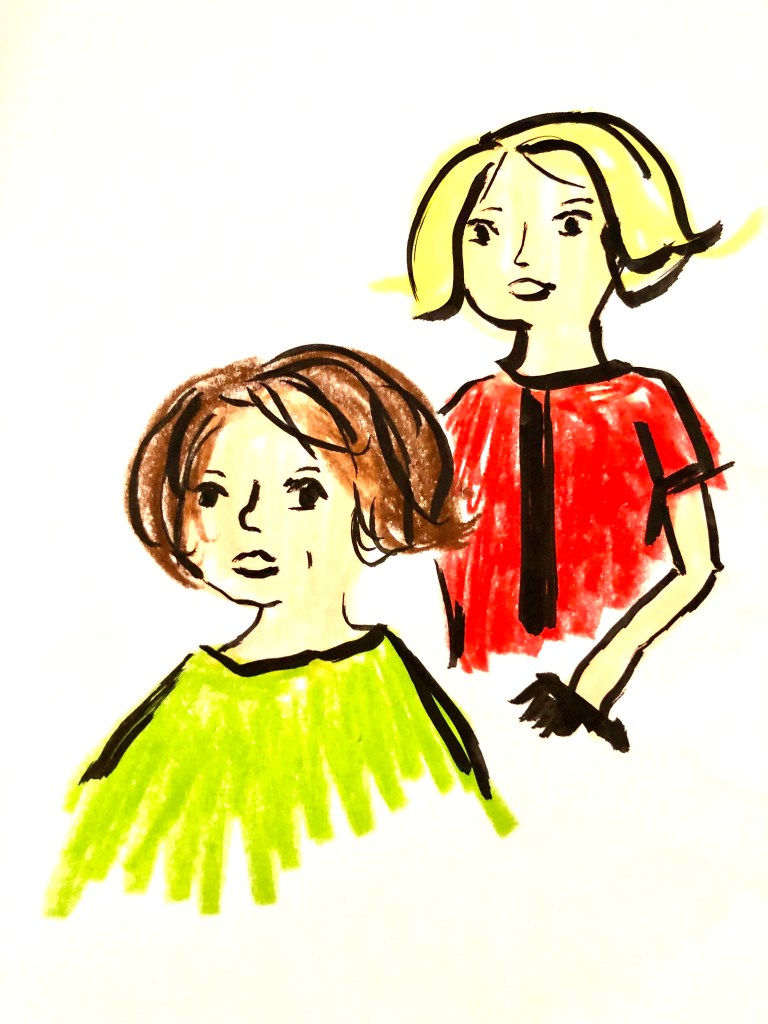
However, there is one thing I can’t get round and that is models flaunting their dark roots! The photos on my own hairdresser’s walls are full of half blonde and half dark roots.
What the Hell?! That was always a No-No! Such a slovenly crime once. I didn’t dare go out the door with one peek of a natural root. Always covered them up in interesting and difficult ways.
Anyway, I’ve penned a poem about this outrage. Do read on
Roots
Roots, like red and green,
should never ever be seen
But they’re dotted round the hairdressers
Photos of models in half-dark tresses
It used be to looked on as slovenly
A sign of neglect and being unlovely
Why did I stand for hours using a paintbrush?!
With foul smelling packet colour bought in a rush
Anything to get them covered up and gone
So my bleached blonde was groomed and shone
Now glamorous girls let them all show
Making sure the whole world would know
I’ve missed the bus for this semi dark haired foray
Because unfortunately now my roots would be grey
HM 2024
Phew! Enjoyed that little tirade! The World is changing so much but I thought hair roots would stay intact(!). I think there’s a hair piece in all of us, so poems on a postcard please…..
Thanks for tuning in, PL’s. We’ll be back with more poetry action real soon……
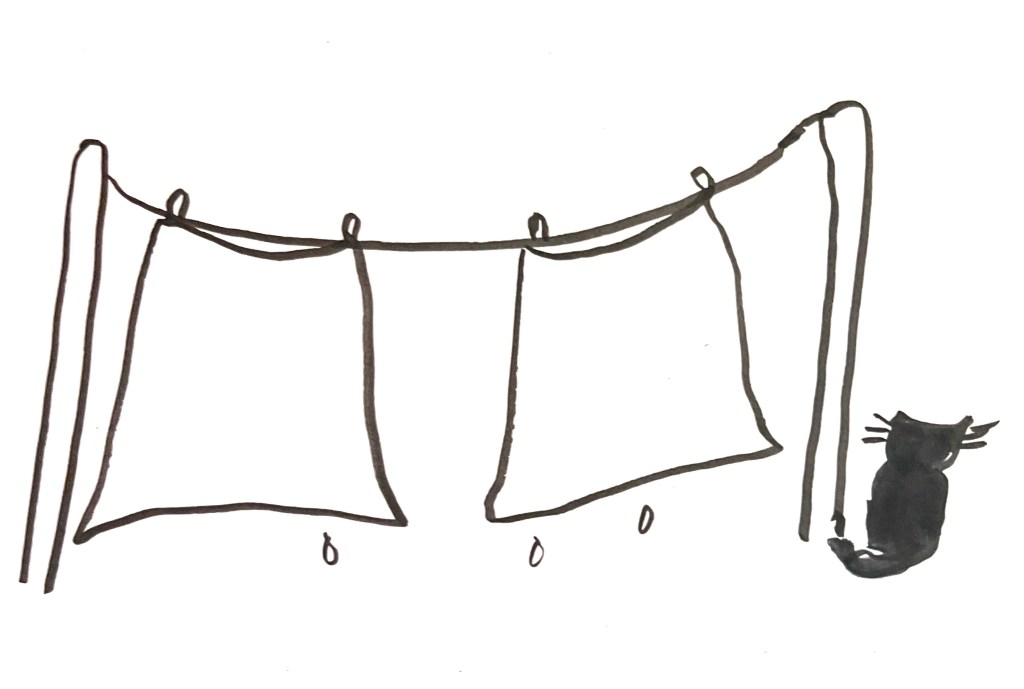
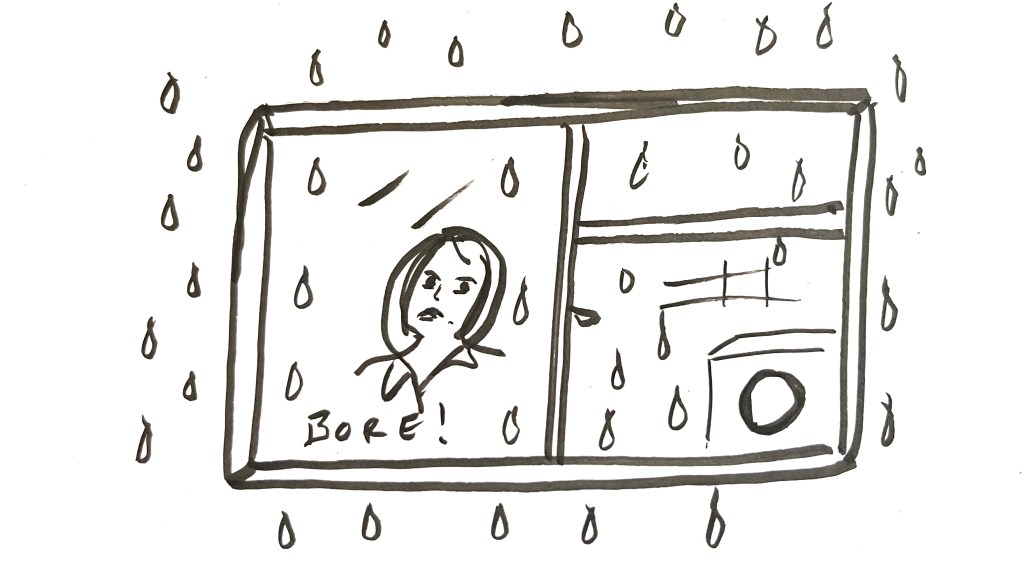
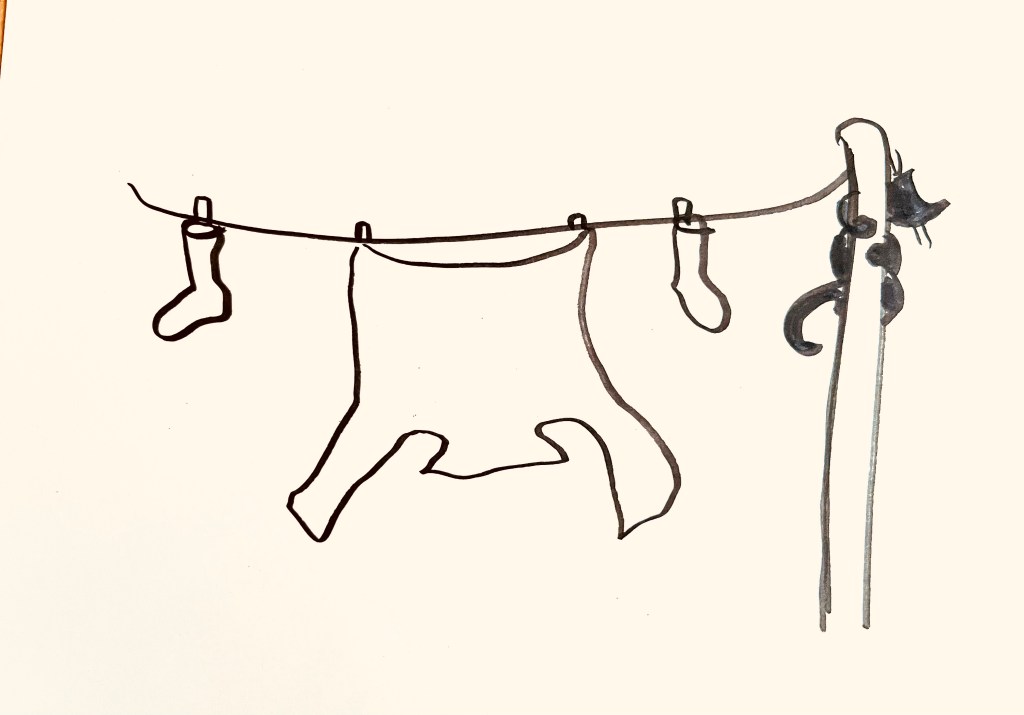
Yes indeed. How often do you see clothes on the line now? Our laundry rituals have changed drastically, some for the better, (no more putting shirts through mangles), but on the other hand, we’ve lost something else. Those billowing sheets hanging out and that fresh outdoor smell.
Clever poet Trisha Broomfield puts this over succinctly in her lovely detailed nostalgic piece What Happened to those Drying Days?
Today we have a cracking new collection from prolific poet Tony Josolyne.
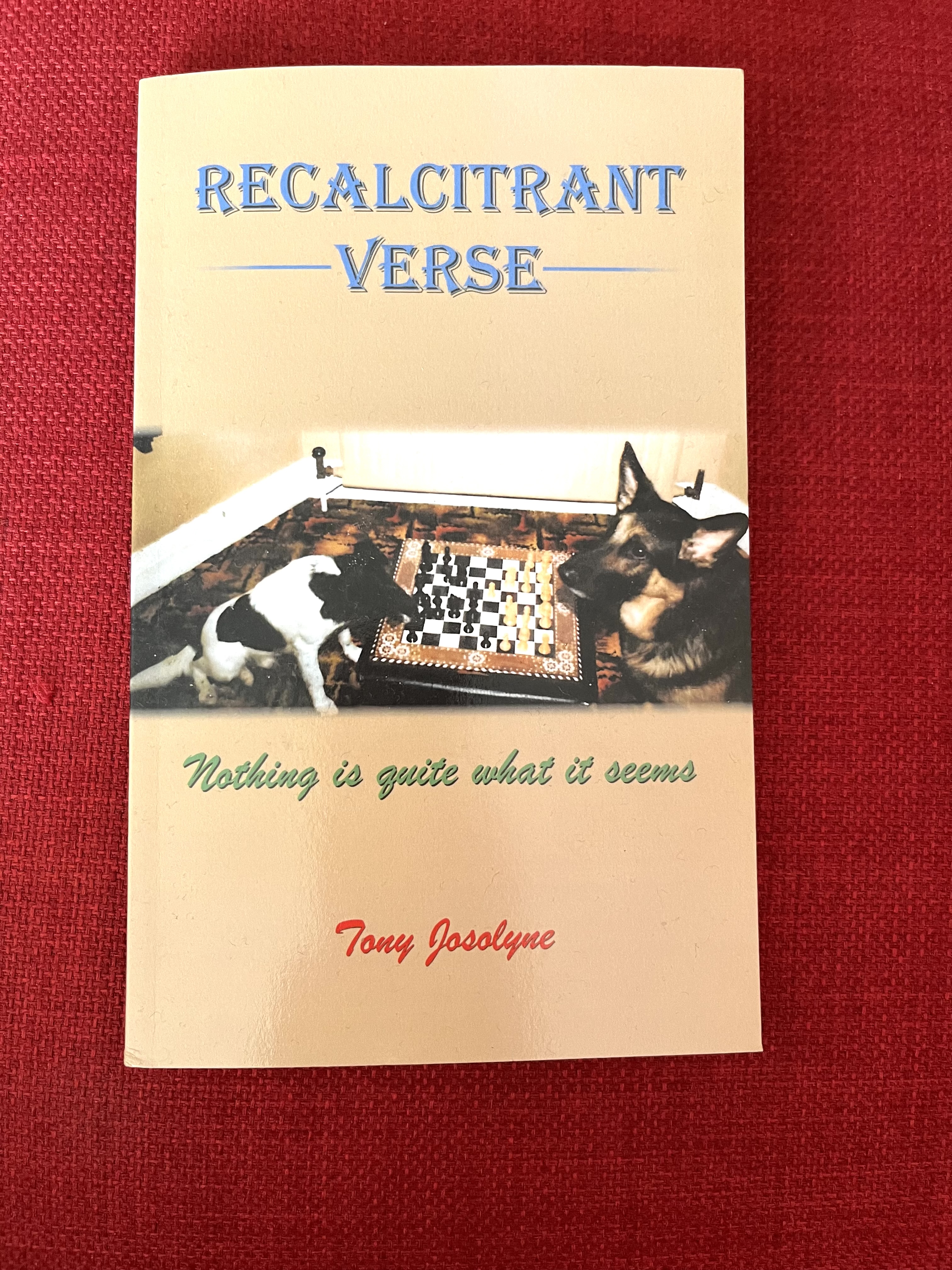
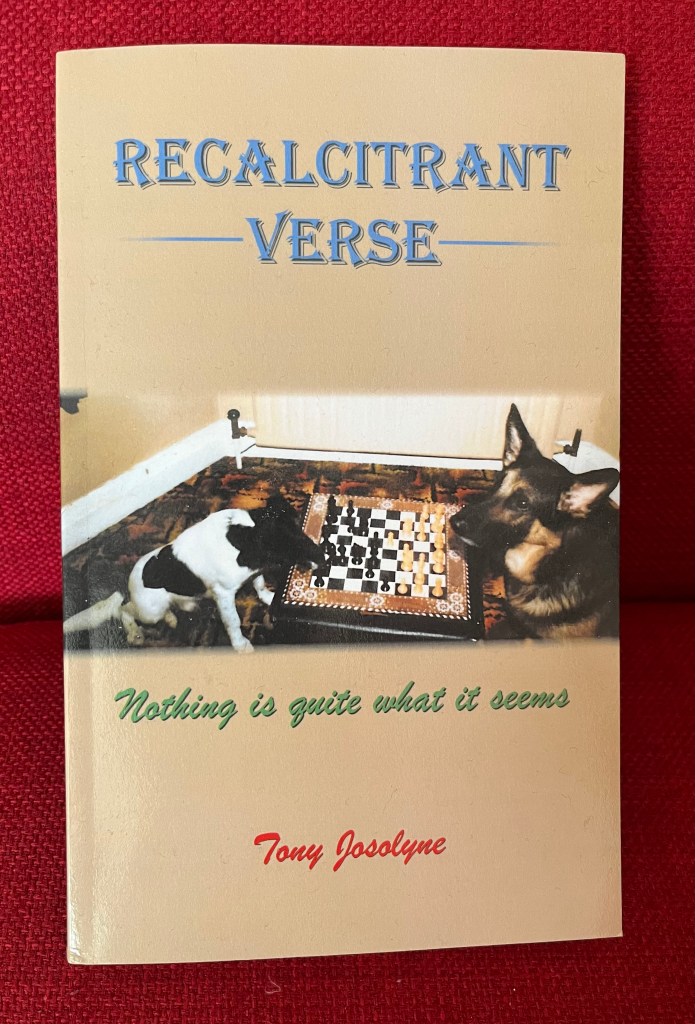
A regular reader at Poetry Performance in Tedddington, we eagerly awaited this new and varied collection. And Tony did not disappoint. I’ve given Recalcitrant Verse a well-deserved hot review. (Dobby does not approve of the cover!)
Read on….
Recalcitrant Verse
by Tony Josolyne
A very apt title for this vibrant collection, with the subtitle nothing is quite what it seems. What very true words as we open up to a moving foreword written by Poetry Performance founder Anne Warrington. Followed by a concise preface by the the poet Tony Josolyne. We are then presented with a wealth of significant subheadings, that present humorous, poignant and thought provoking pieces.
Under the heading of Human Behaviour, the poet gives us a childhood memory in Grandfather’s Beard and a wartime one in Wallasey 1941 under the Warfare section. This chapter includes an idiom of Sir Frances Drake’s exchange with Queen Bess in Drakes Pride, with fascinating detail.
The sub headed sections, such as Insurance, carry very relevant issues and sadly, every day hazards such as in Travel Insurance. Through the frustration, there is still a bleak and ironic humour. The clever skit on Wordsworth in Food for Thought is irresistible, and when we encounter The Law, there is more dark wit in Reasonable Force.
Under the Faith and Belief heading, we are drawn into The Youngest Sailor. A fascinating account of how baby Moses was adopted, a modernised version of the Old Testament story. The Show Business chapter is a personal favourite with the hilarious CCTV concerning an outraged actor, and The Casting Couch, a reflection of changing times and power shifts.
There is a wealth of poetic variation under Miscellaneous, the wonderful Excuses jumps out at the reader. A very human situation indeed.
Climate is a very fitting section to end this intriguing collection, particularly A Climate Crisis, reminding us of the devastating bush fires in the Adelaide Hills of Australia in 2019/20. Chilling the reader at how easy it is to forget these terrible incidents.
A succinct collection, and one to be read again and again.
Thanks for reading the review, PL’s. And for a real treat, get yourself a copy of Recalcitrant Verse. Contact me for any orders…..
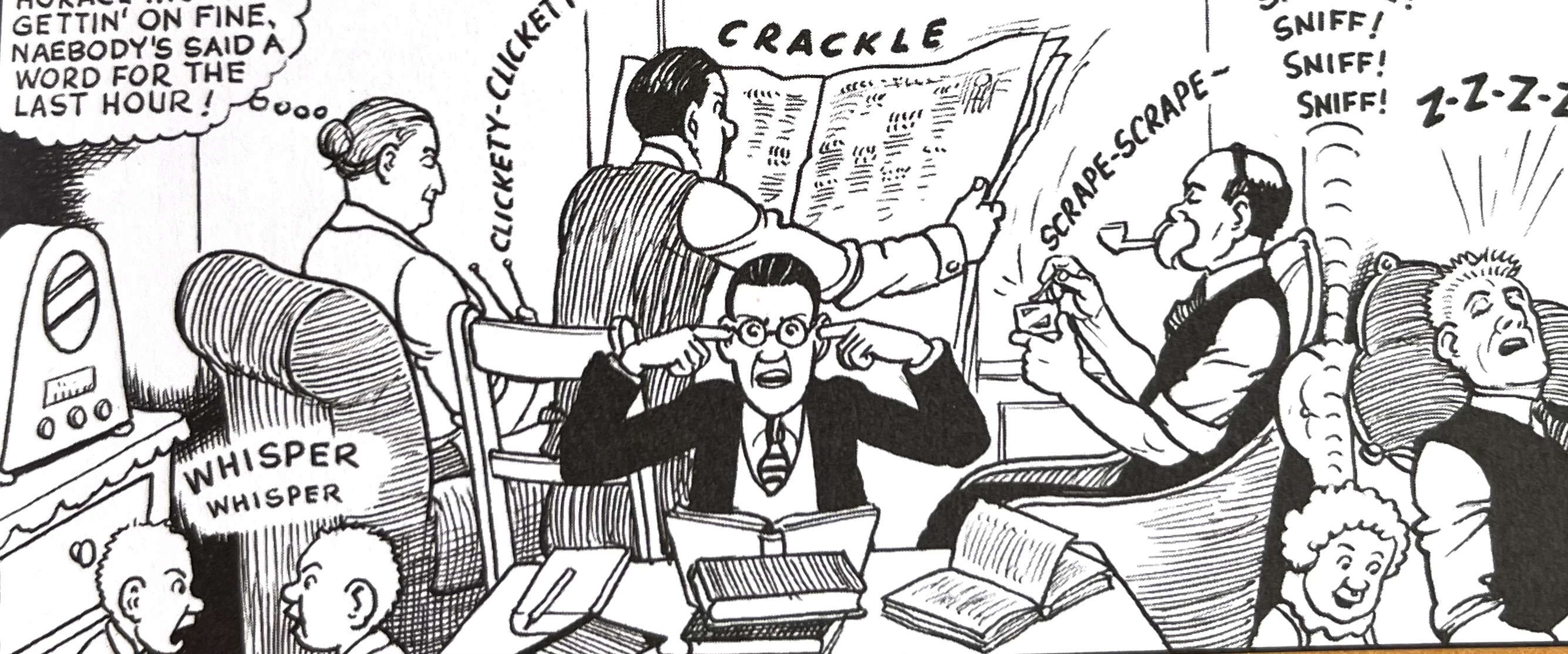
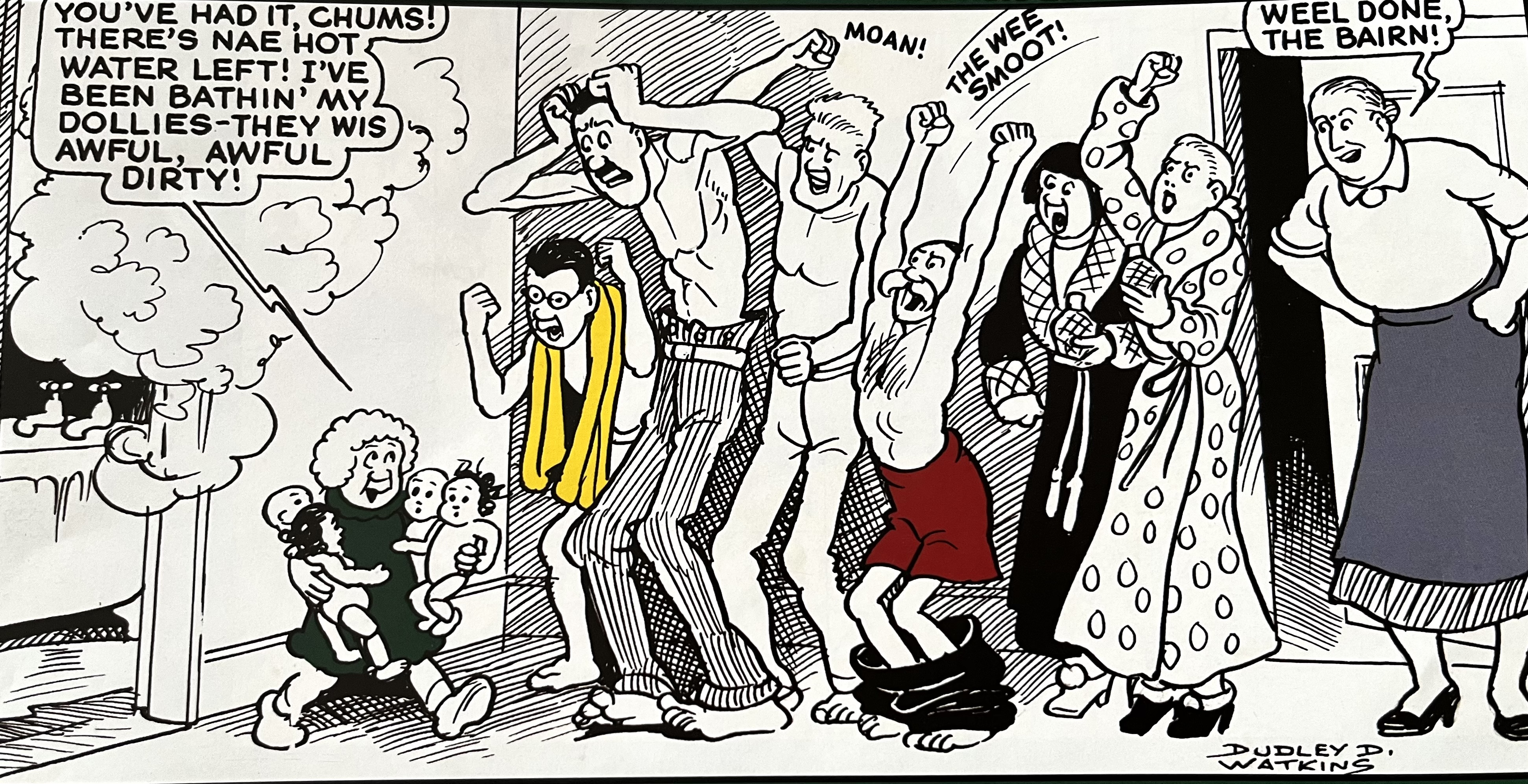
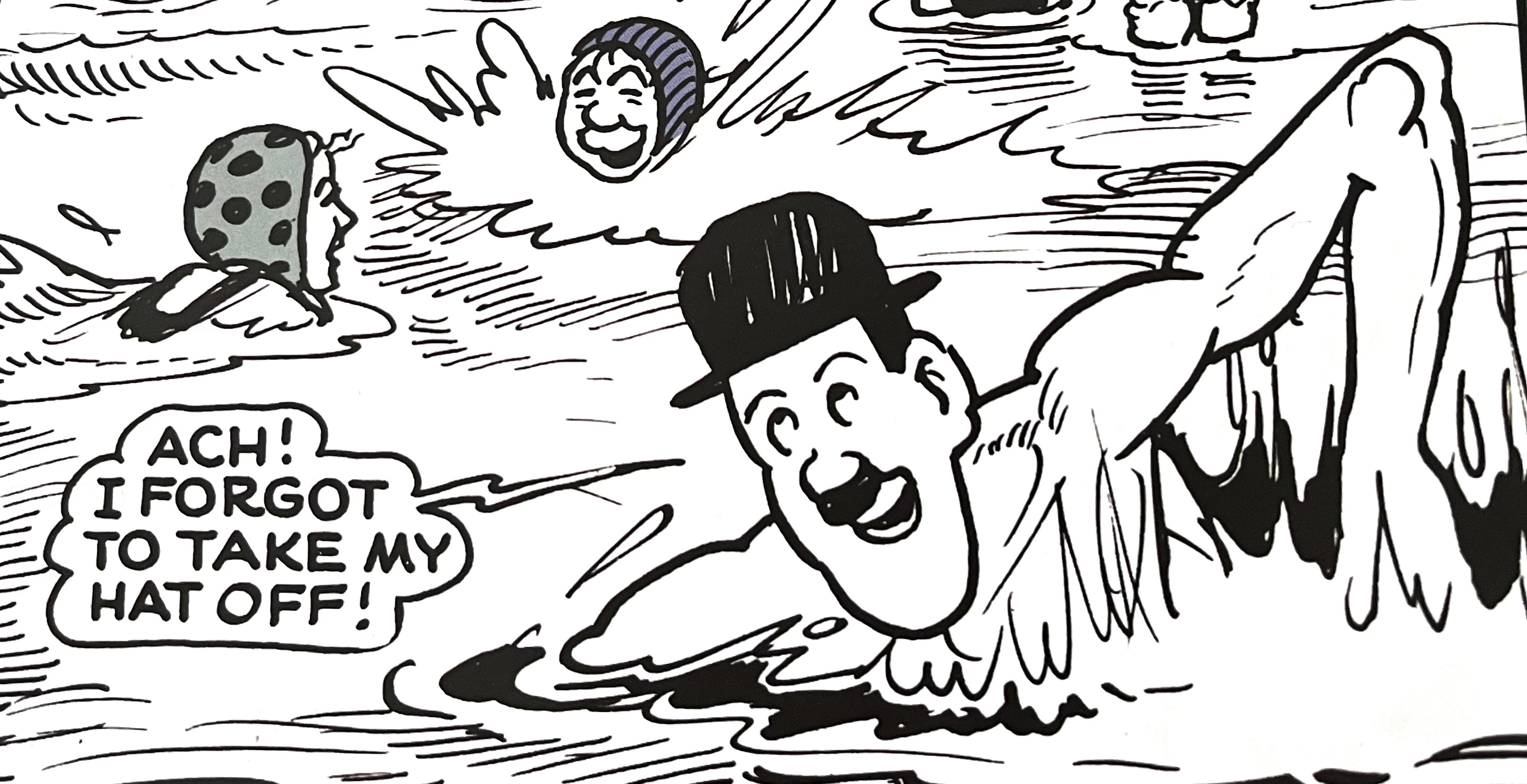
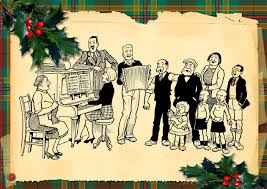
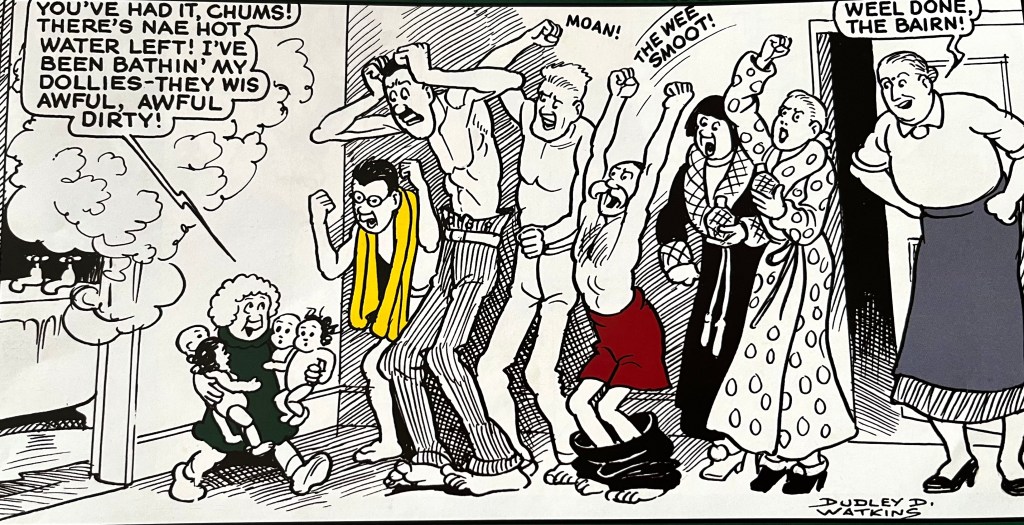
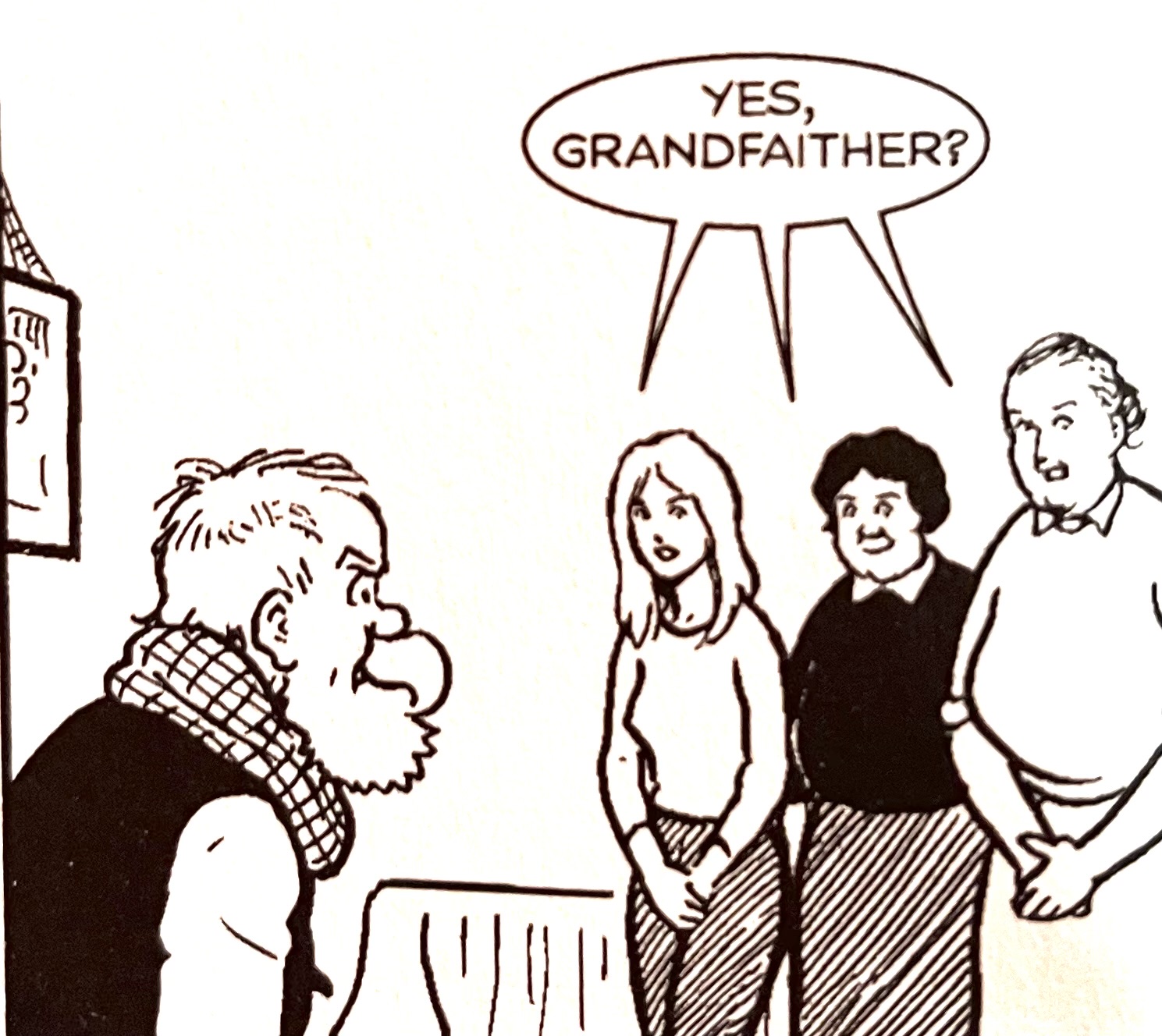
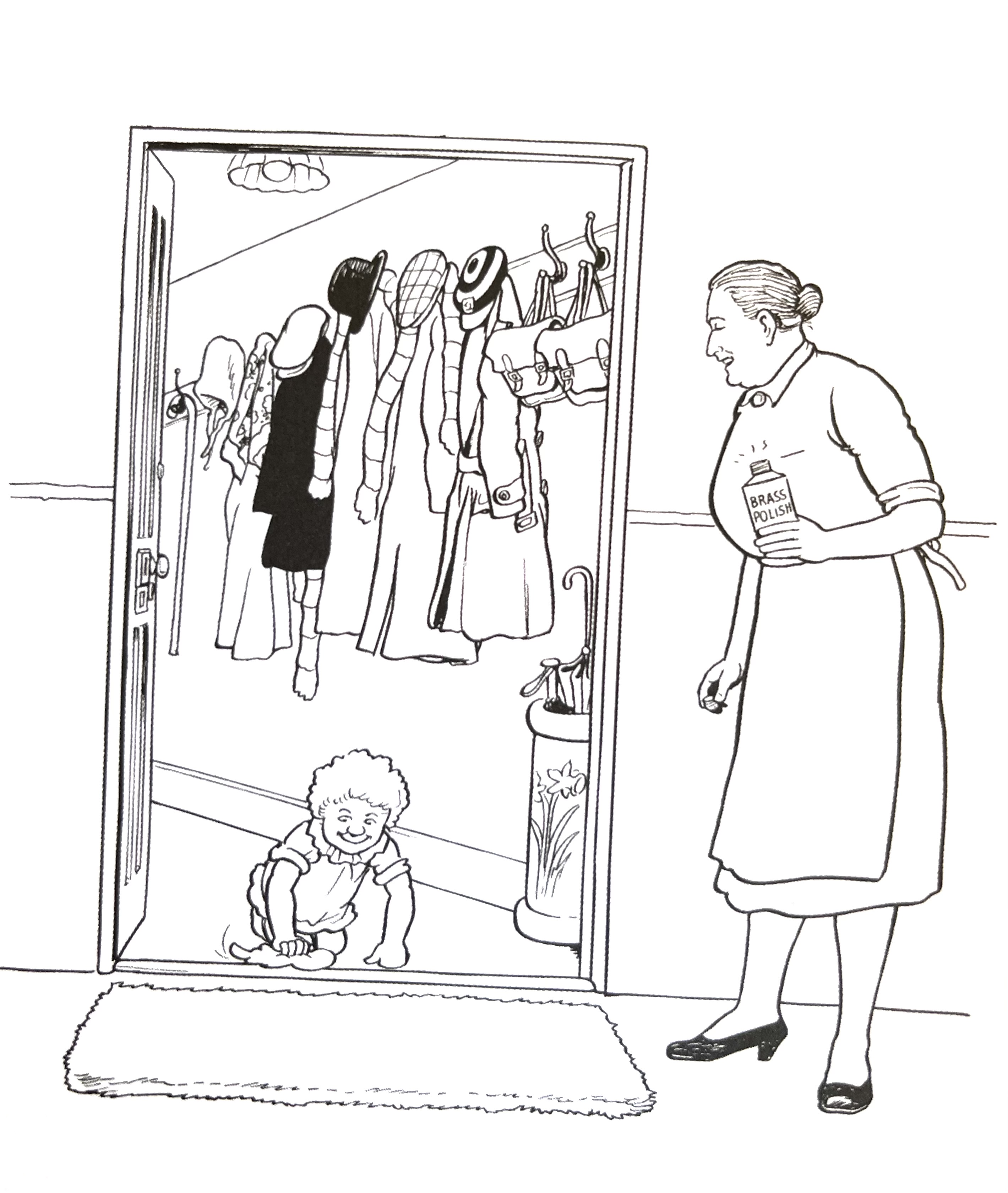
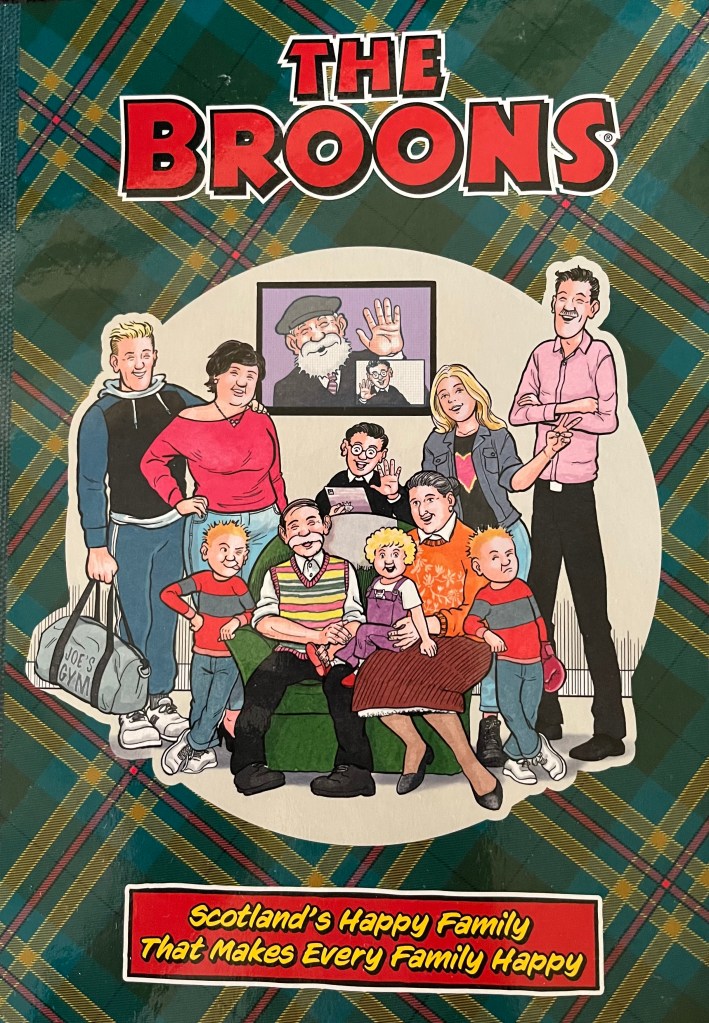
Nothing’s more heartwarming than sitting down with a Broons book on a cold afternoon. Next to my Beryl the Peril annuals, that is.
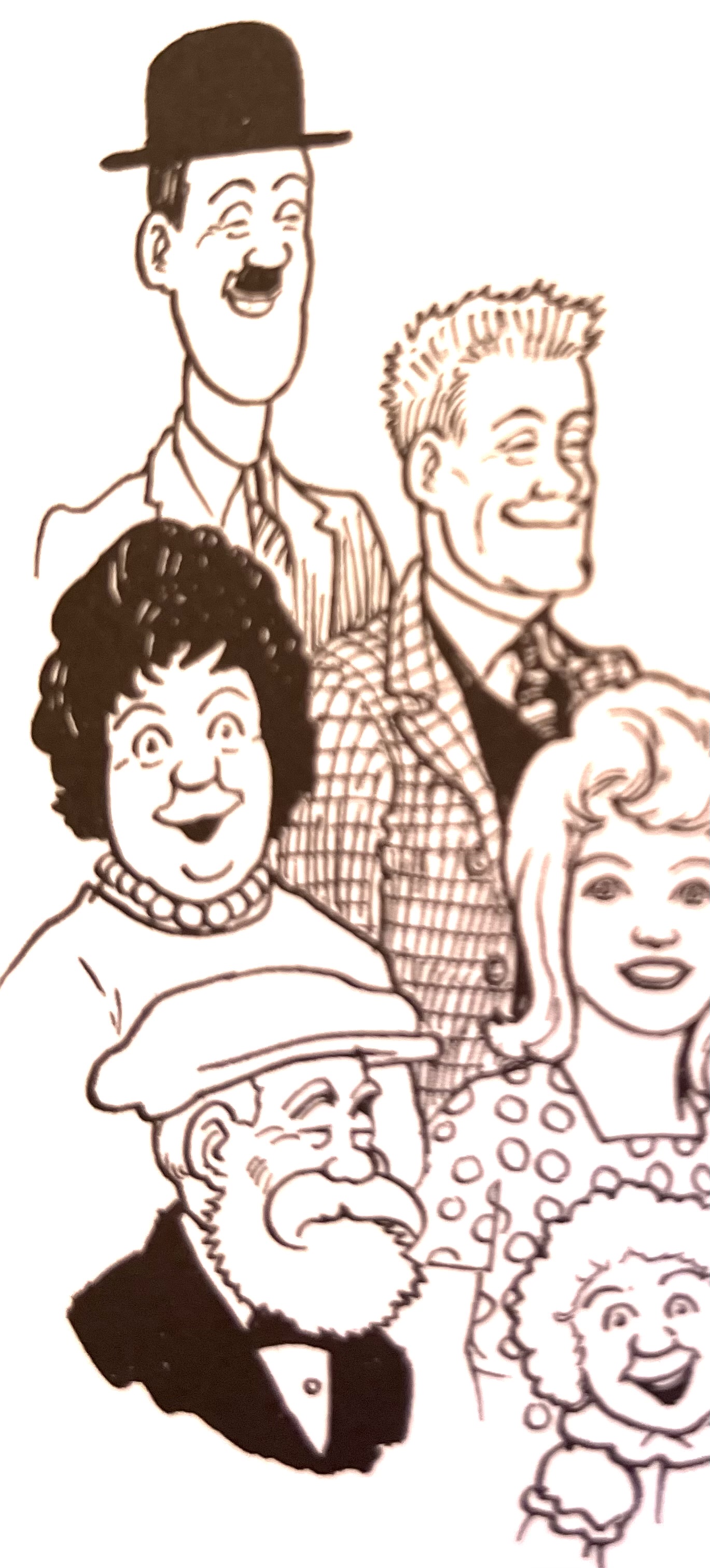
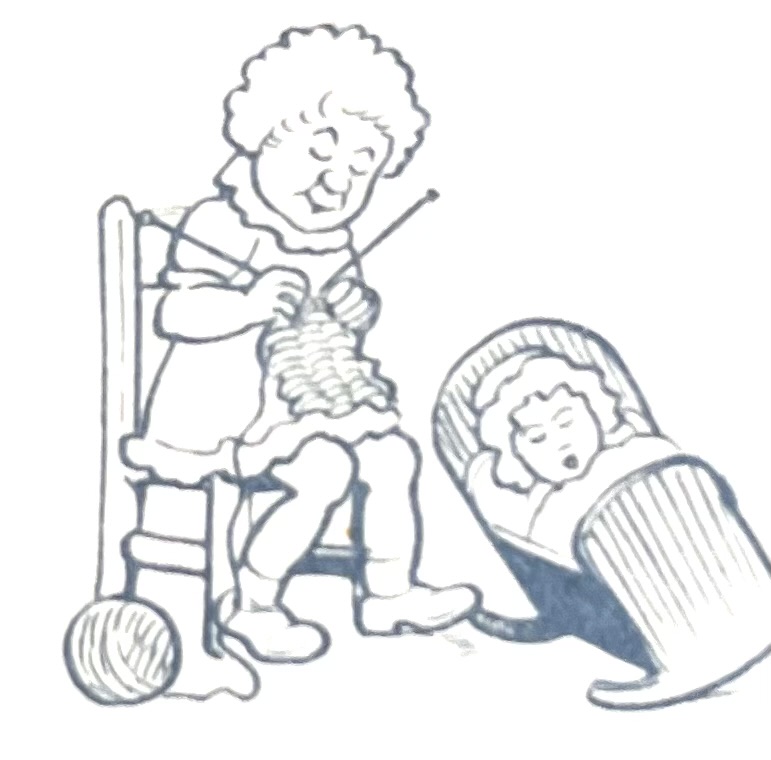
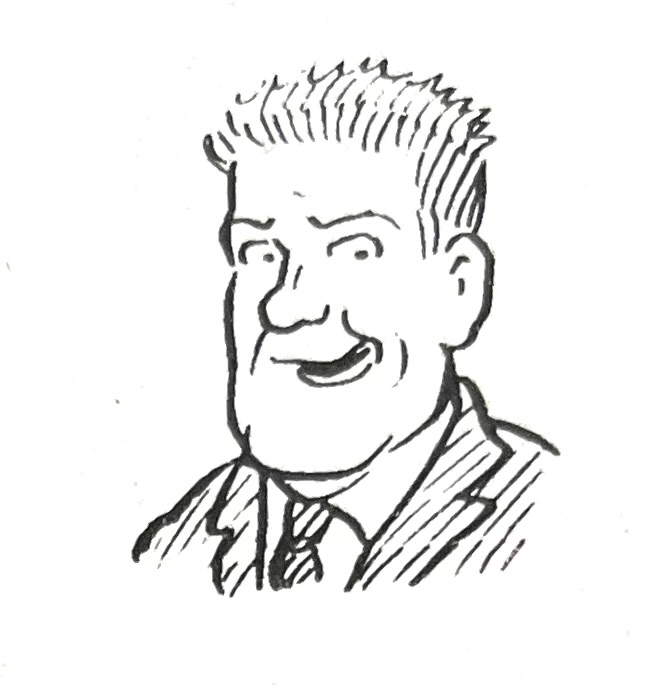
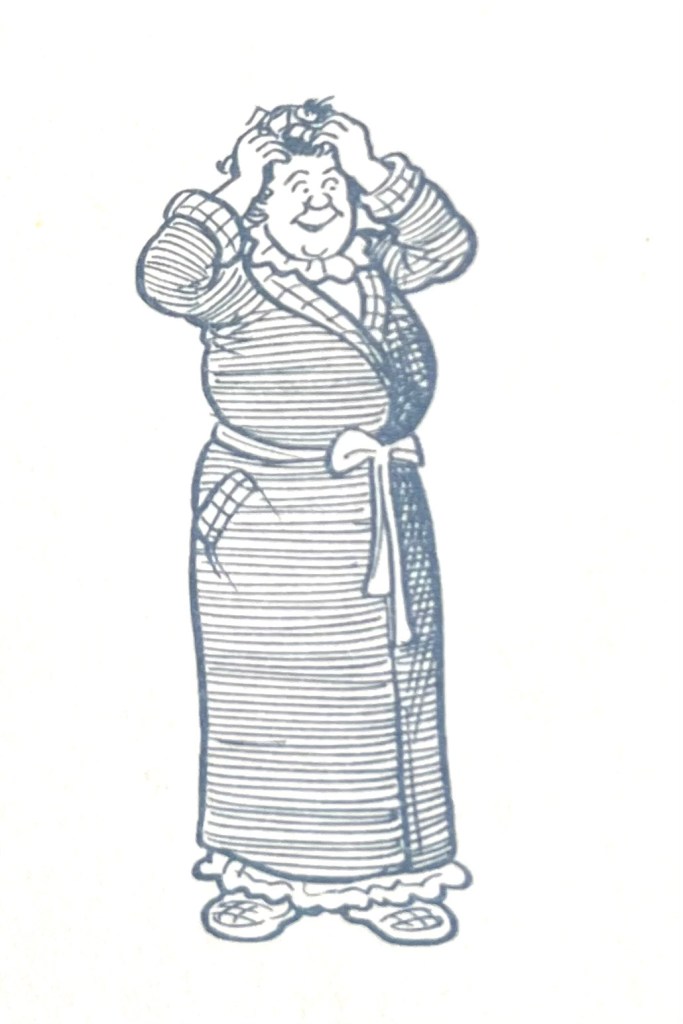
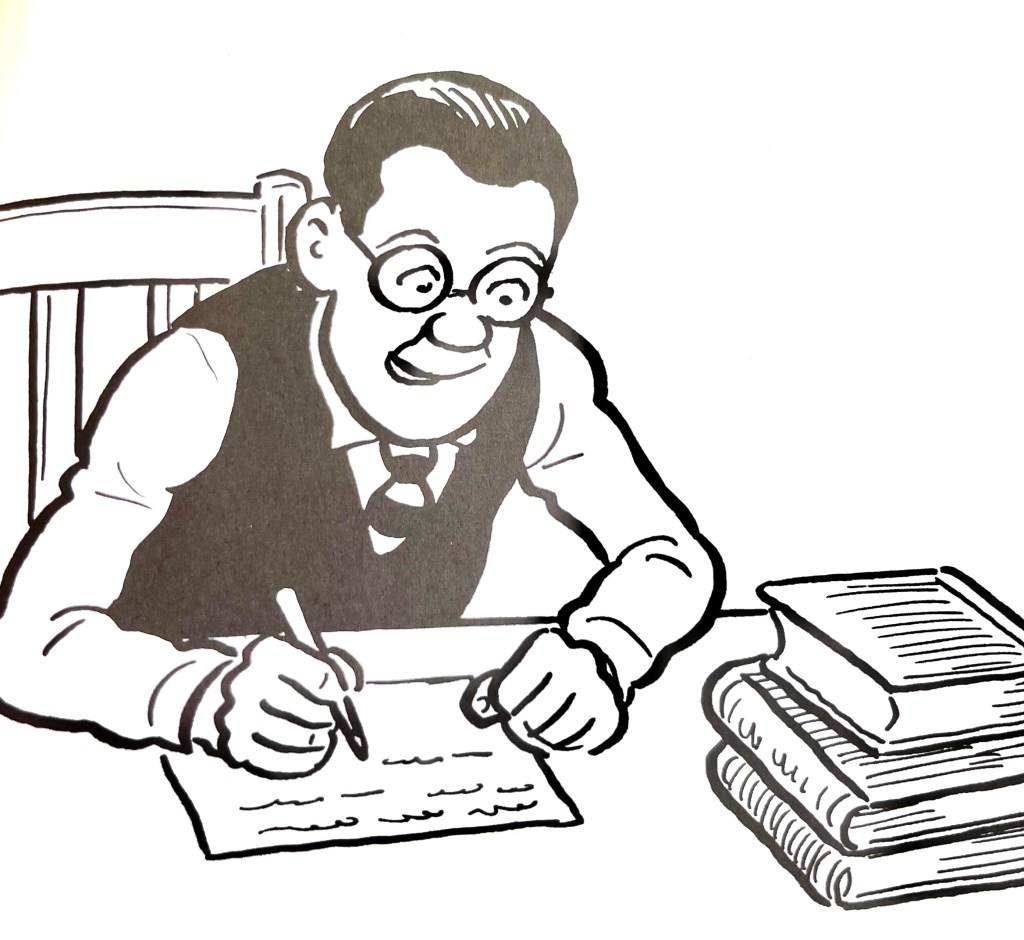
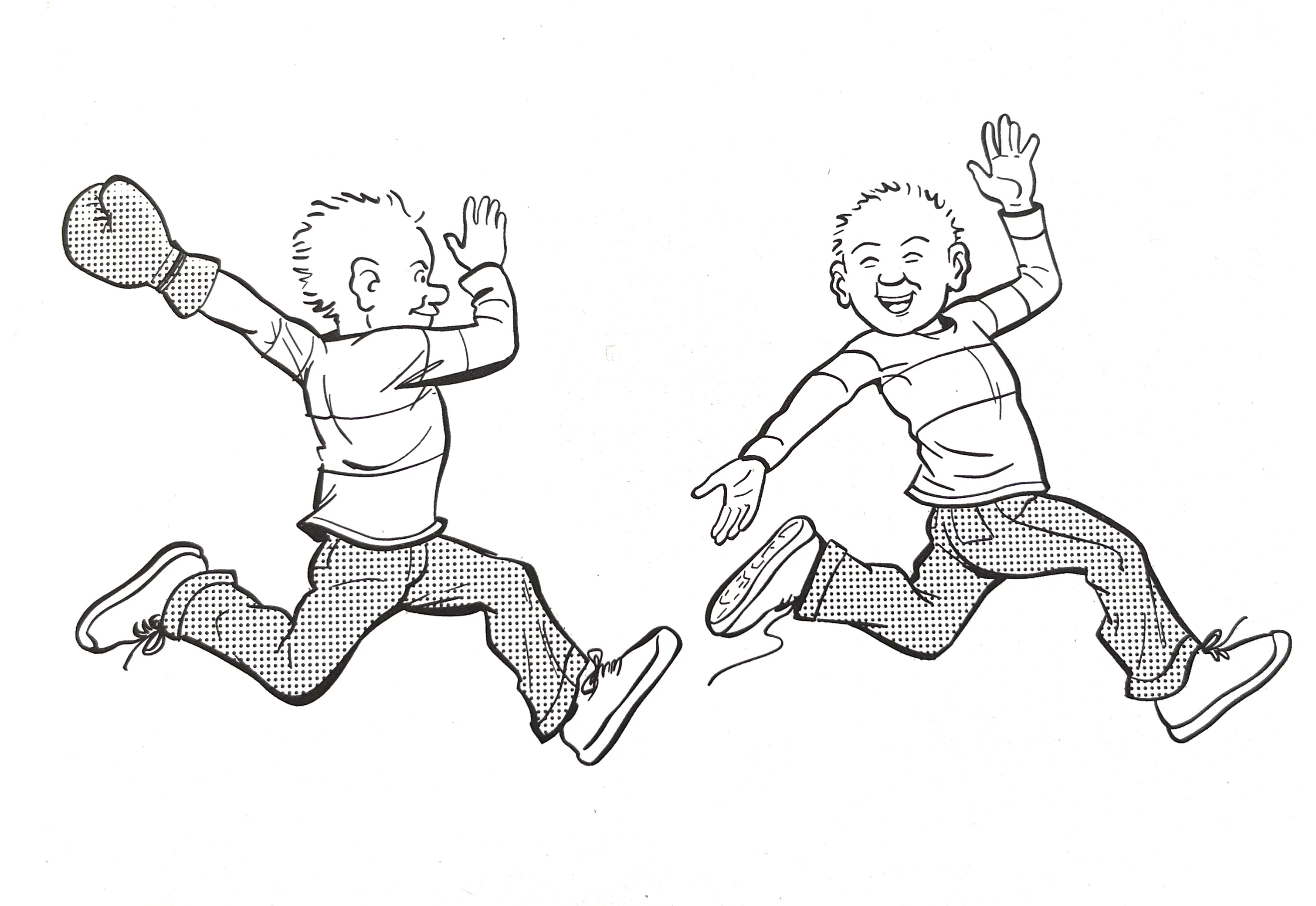
That charming huge family of 11, located in a flat somewhere in Scotland, with so much detail in their inked drawings, characters and warm humour.
There’s a few things that have bothered me over the years as I read that iconic comic strip, and I’ve put it into words below. Very tongue-in-cheek, natch. Do read on…..
The Broons
Oh Broons family of the Sunday Post
Your stories warm me like hot toast
I always yearned so much to be Maggie
Daphne I confess, I found a bit baggy
But ungainly sisters have nicer clothes
And a generous warm heart, I suppose
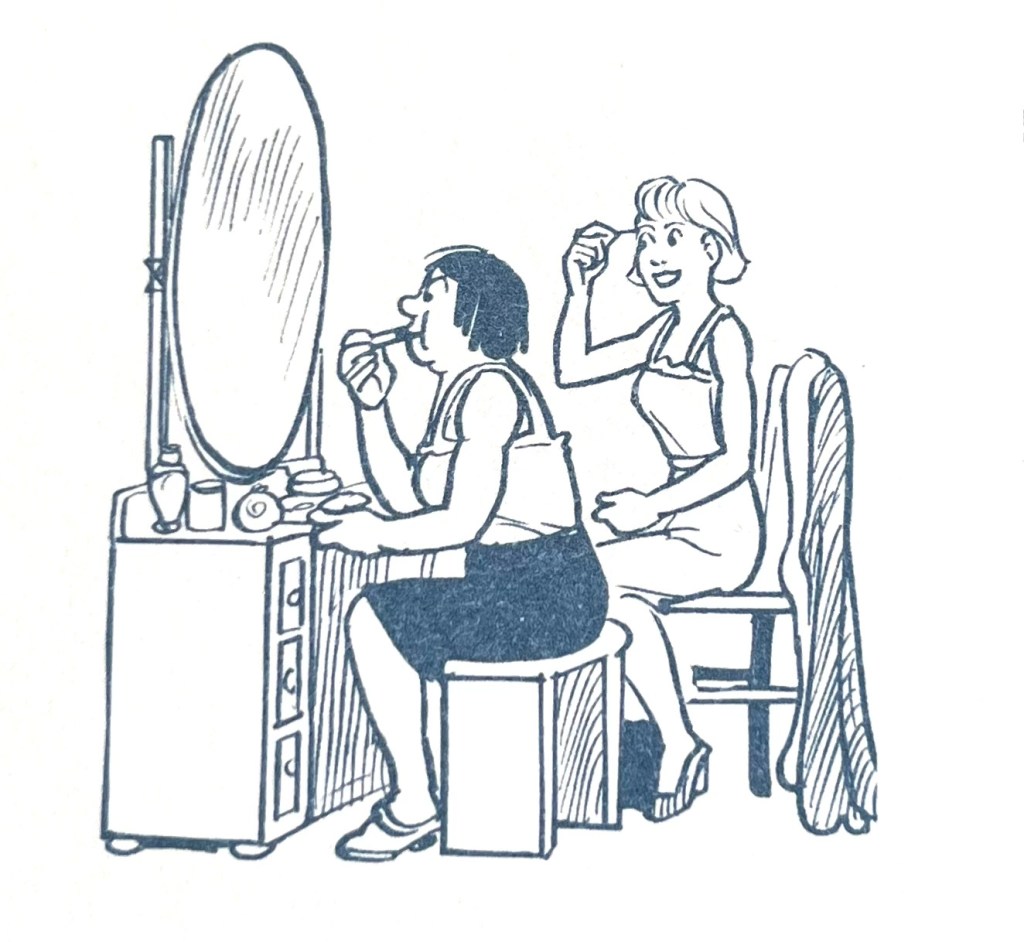
Home perms and the latest dress
No wonder your bedroom was a mess
It’s handsome Joe who gets romance
Taking sweet lasses to the local dance
Inoffensive Hen just seems a bit old
To be living still in the family fold
A cramped Victorian tenement flat
No room to spare for even one cat
Housing eleven, with Grandpa round often
The matriarch Maw did sometimes soften
I suspect that the forthright Bairn is older
The twins simply getting cheekier and bolder
Horace and all his advanced knowledge
Should surely now be at college?!
Paw Broon loves Granny Souter sweets
Brings them home sometimes as treats
Occasionally when I think your plots are silly
I remind myself I prefer you to ‘Oor Willie’
Thanks for letting me grow up with you, Broons.
And thank you, PL’s for reading this. We’ll be back with more poetry action real soon…….
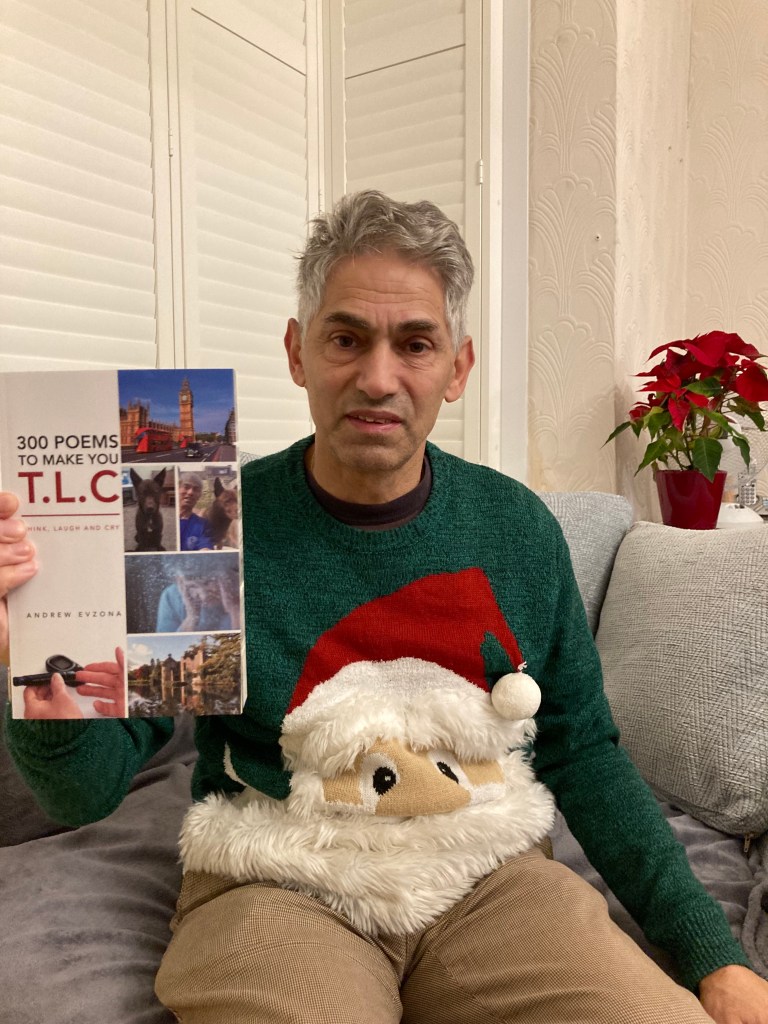
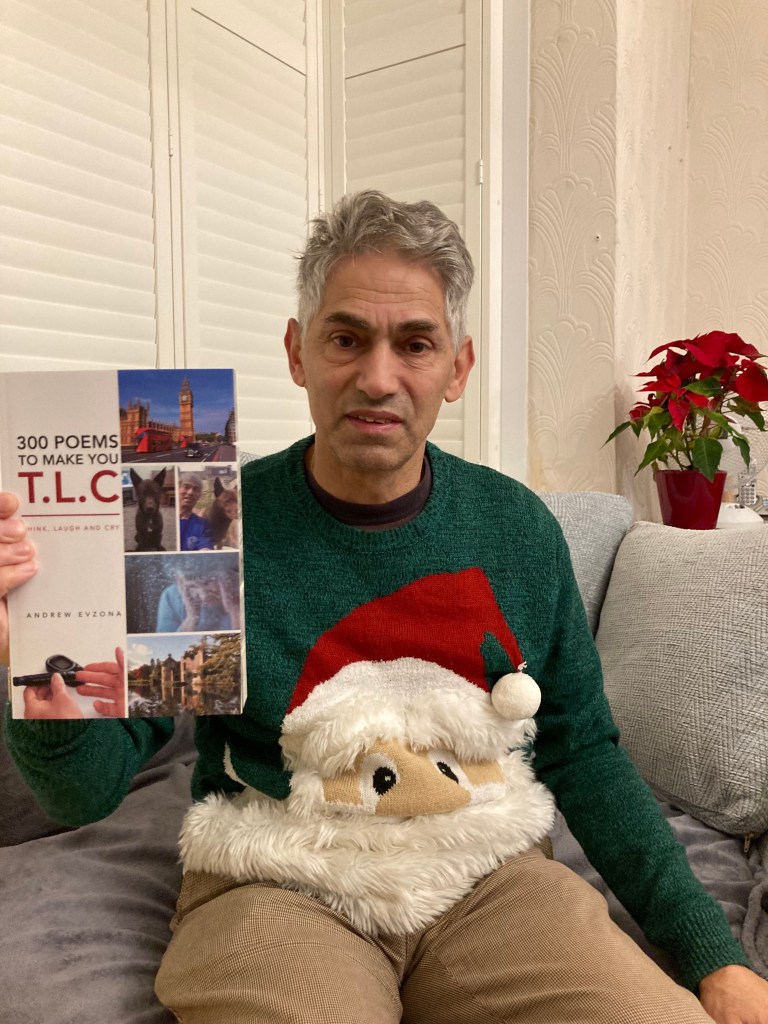
Welcome back to the Talk Show Studio. Our guest today is clever and prolific poet Andrew Evzona
(Rapturous applause as our esteemed poet glides down the lighted steps. Dobby growls)
Now, Dobby. Leave Andrew alone! He has a very big dog, you know!
(Sound of a dog barking in the background. Dobby legs it) Phew!
Welcome to the show, Andrew. Why don’t you fill us in on your background?
Pleasure to be here, Heather.
I was born in Perivale Hospital,Ealing on Grand National Day 26th March 1955 of Greek Cypriot parents and have Greek Spartan origins and am able to speak English, Greek, French and German and know a few Russian words.
I am a Cover Supervisor Supply Teacher nowadays covering schools in the boroughs of Ealing, Hillingdon, Hounslow, Harrow and Brent.
That’s really impressive, Andrew. I believe Greek and Russian are particularly hard languages.
When did poetry become a part of your life?
Poetry came into my life when I was turning 50 and I started writing poems which I sent to Forward Poetry for publication in various anthologies of theirs before I decided to write my own books to raise funds for different charities.
My first published book “100 POEMS TO MAKE YOU T.L.C (think, laugh or cry)” appeared in 2017 and the first poem was about HM Queen who sent me a thank you letter from Buckingham Palace and had a copy of the book herself.
The book has raised several hundreds of pounds for Diabetes and Cancer Research charities.
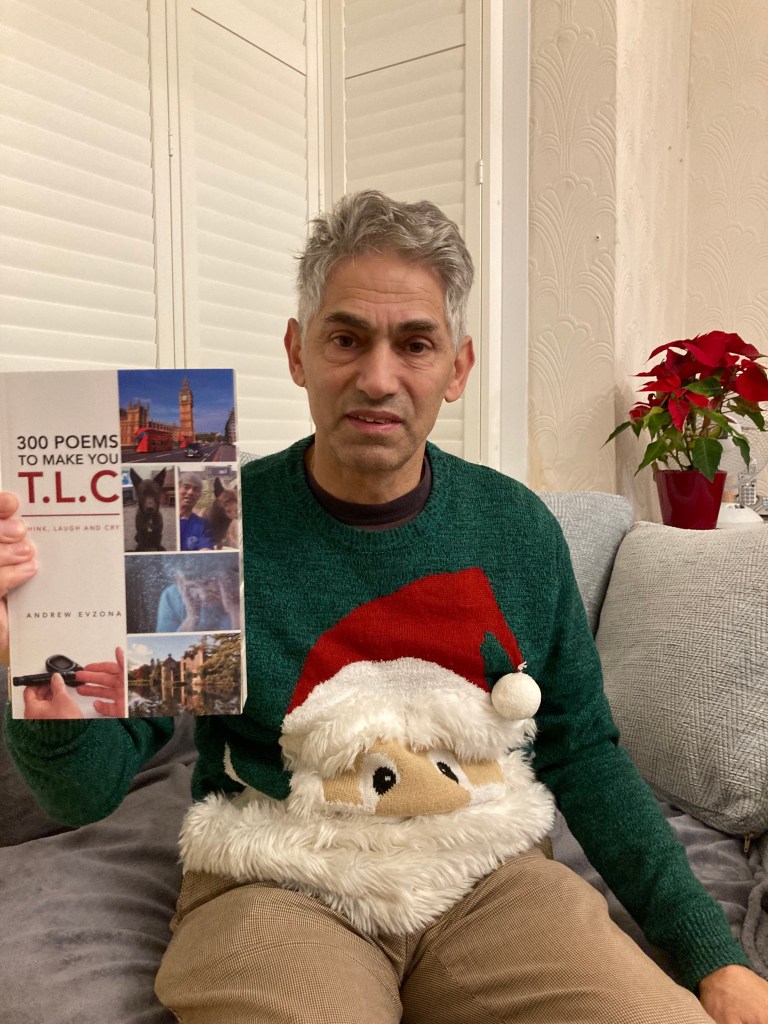
My second book titled “300 POEMS TO MAKE YOU T.L.C” was published in 2021 and is raising funds for Diabetes and Dementia charities.
Yes, you have been very prolific. That’s so impressive about the Queen. What a letter to treasure!
Your raising money for charity is admirable.
Who are your biggest influences?
My poems have actually not been influenced by any poets who have gone before as I merely write about my philosophical thoughts to make people think, or true stories which can be humorous or sad. I love to be versatile and entertain all age groups.
Besides the obvious established poets from centuries gone by, I must mention the likes of my personal favourites David Bowie and Muhammad Ali who both were geniuses in their own field,while I must add I have been impressed by several performers at Poetry Performance in Teddington for the past 4-5 years also.
What fantastic role models, and I have been impressed by readers at Poetry Performance too.
Are you working on anything at the moment?
Both my books have been mentioned already and I have been writing several more since they were published, which has reached almost 100 already, and when I decide to finalise them, that will complete my trilogy of books covering the same three emotions.
We look forward to that last book of the trilogy. Superb move.
Now, what is the best poetry gig you’ve done, and the Worst?!
I have performed at various venues in West London and have always gone down well, I am pleased to say, and long may that continue!
Then you are very fortunate. I’ve heard some real stinkers on here.
Now, I believe you have some poems for us?
Yes, Heather. First I’d like to read Yesterday, Today, Tomorrow written by me on the 15th March 2020
Yesterday, Today was Tomorrow
Would it be a day of happiness or sorrow?
And Tomorrow, Today is Yesterday
We wonder what the newspapers will say
Yesterday, all our troubles seemed so far away
Let’s hope they just go away Today
As, no-one knows what may follow
For all of us starting from Tomorrow
Poetry is a poem written by me
on 22nd August 2020
Poetry
It’s never as easy as it looks
To create and perform a poem
And despite what people may think
It doesn’t always have to rhyme
What does poetry really mean
To the likes of you and me?
Is it a chance to express ourselves
And give our views for free?
There have been famous poets galore
Throughout the mists of time
Their work displayed in its’ glory
Mesmerising us with verse and rhyme
Everyone has their own style
Priority is to entertain and more
Make people think, laugh or cry
Wonder where we heard that before?
A Evzona 2020
(Thunderous applause from the audience)
Fabulous pieces, Andrew. Well done.
(Audience cheer wholeheartedly)
Thank you so much for coming on the show. Do you want to slip out the backway in case Dobby gets you?
My dog’s waiting for me at the top of the stairs, Heather. So I’m quite confident leaving by the front.
(For once, a guest ascends the stairs in a dignified manner. )
Wasn’t Andrew a great guest, PL’s?!
Thank you so much for attending the talk show. We’ll be back with more poetry action real soon…..
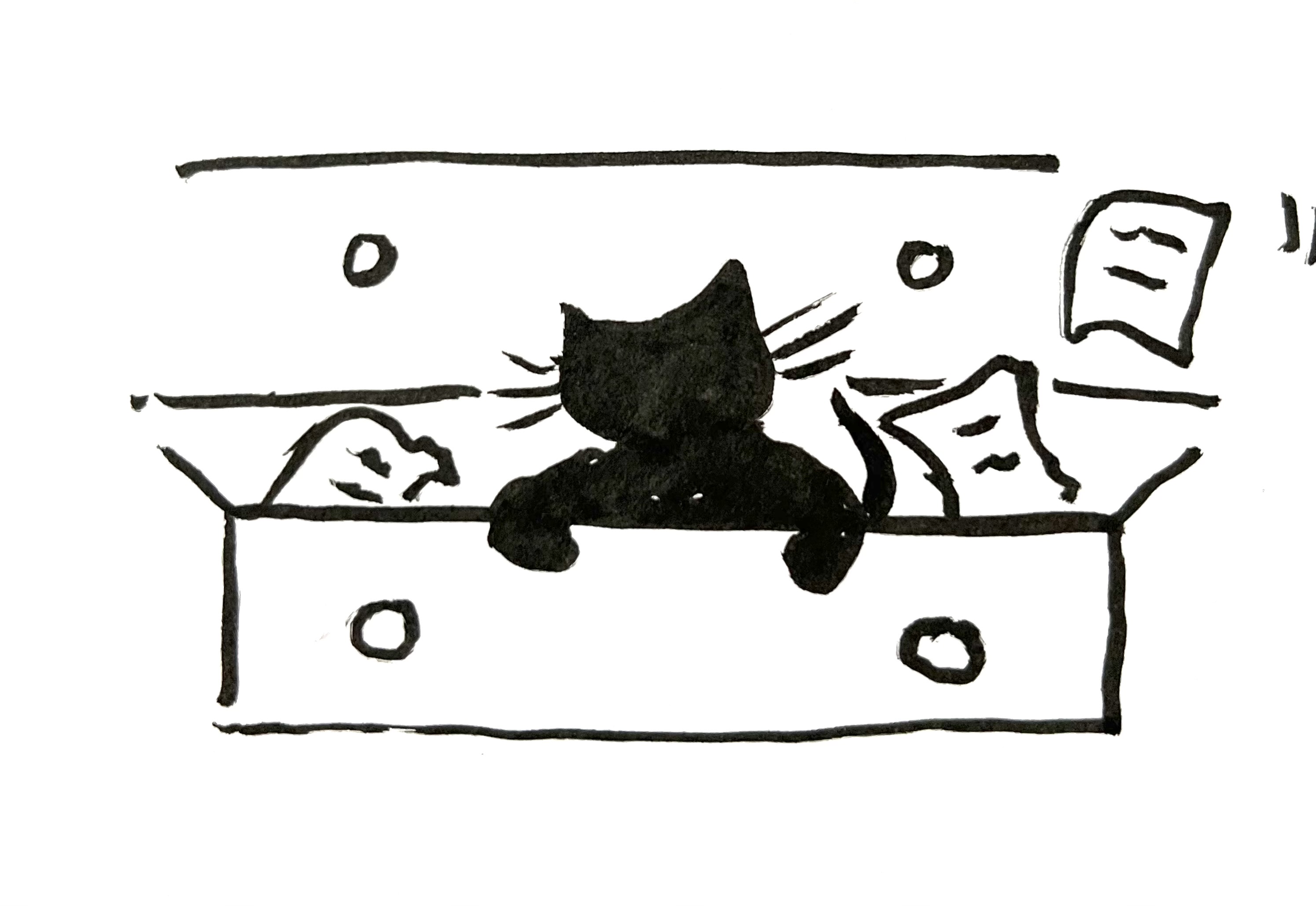
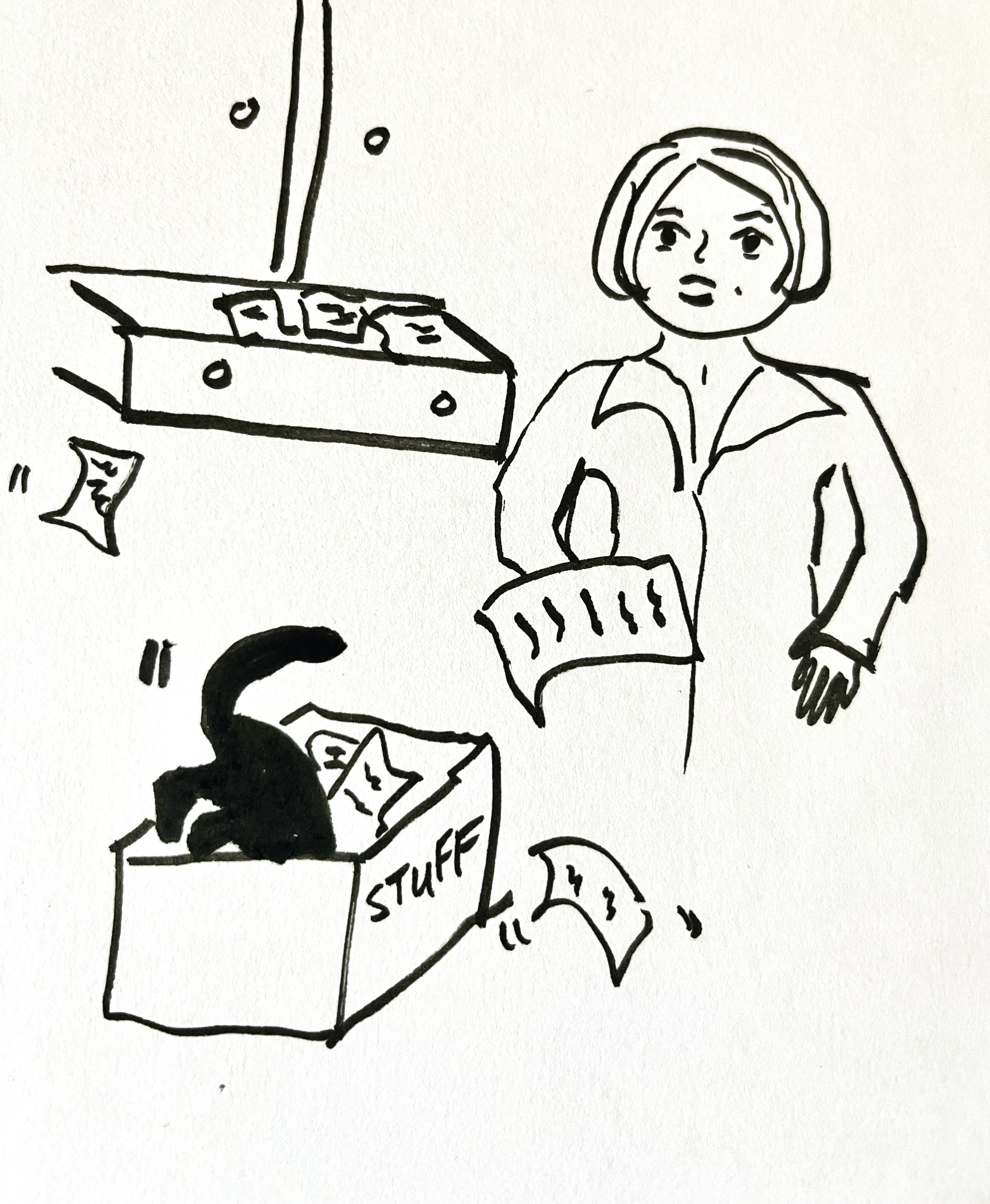
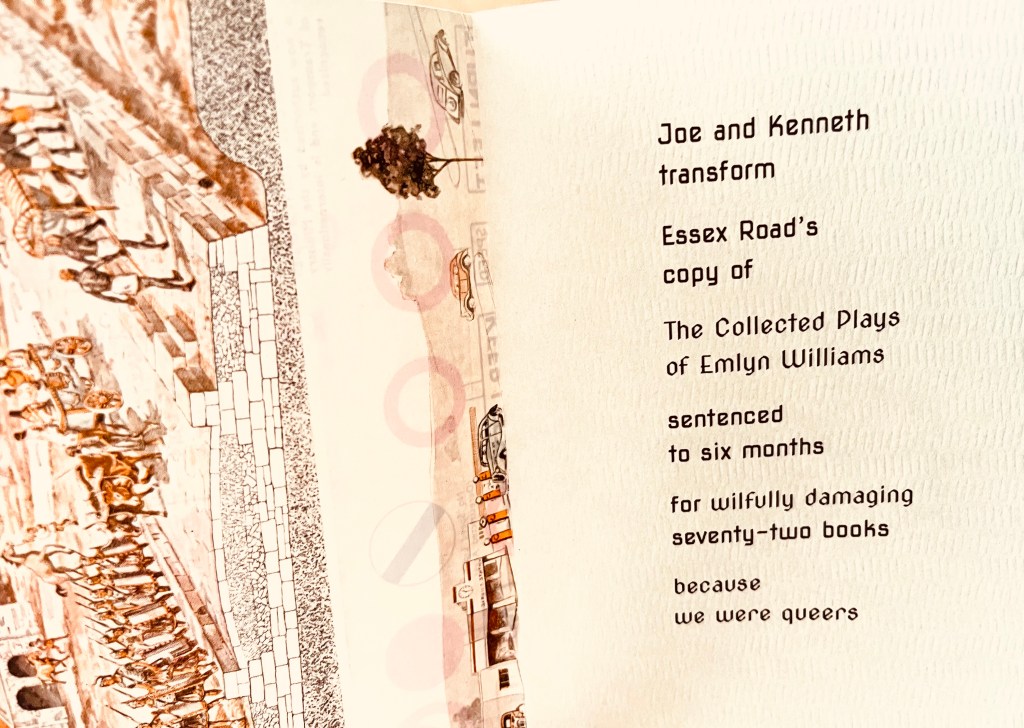
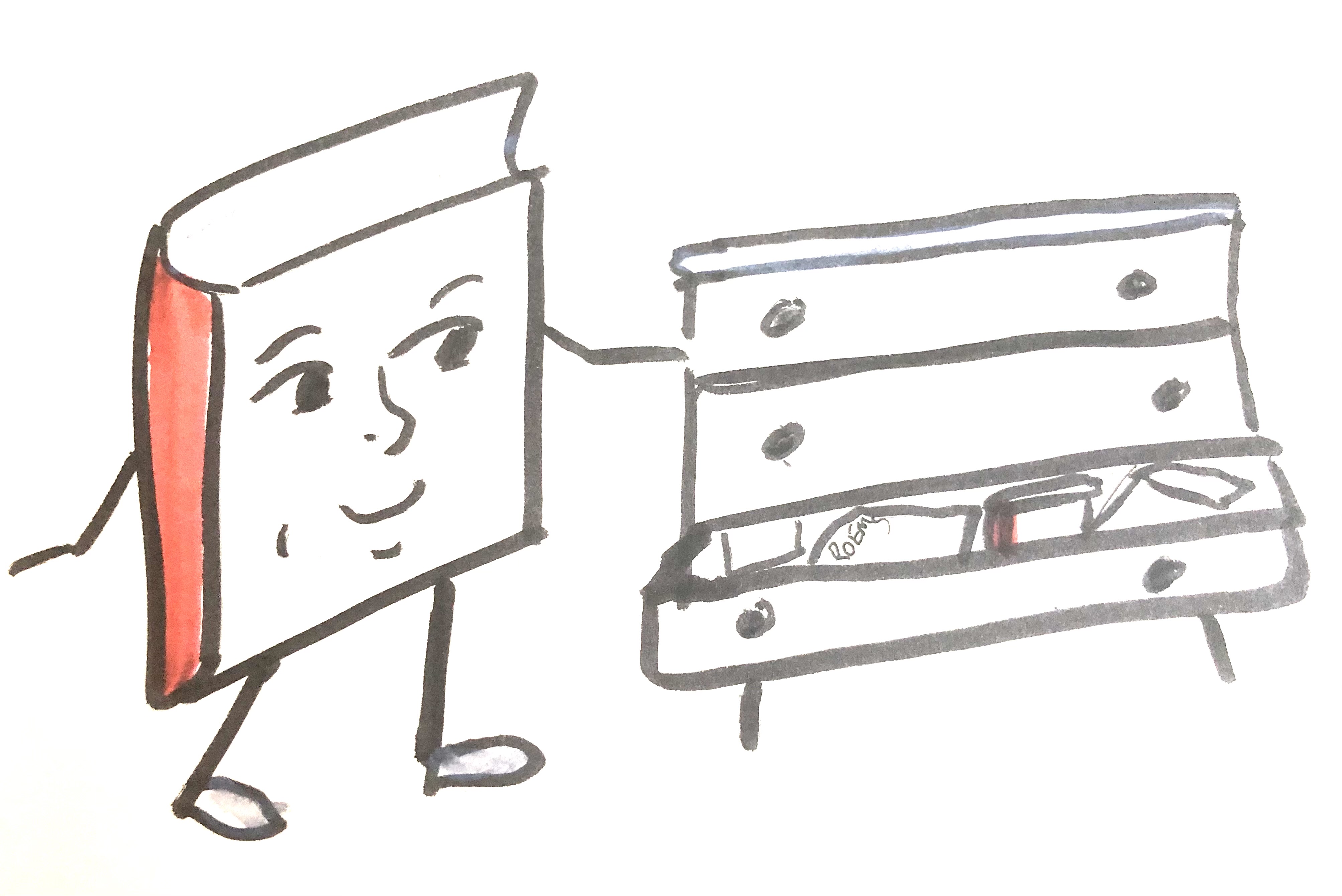
Welcome back to the Poetry Drawer. Dobby and I have done some further digging and came up with this
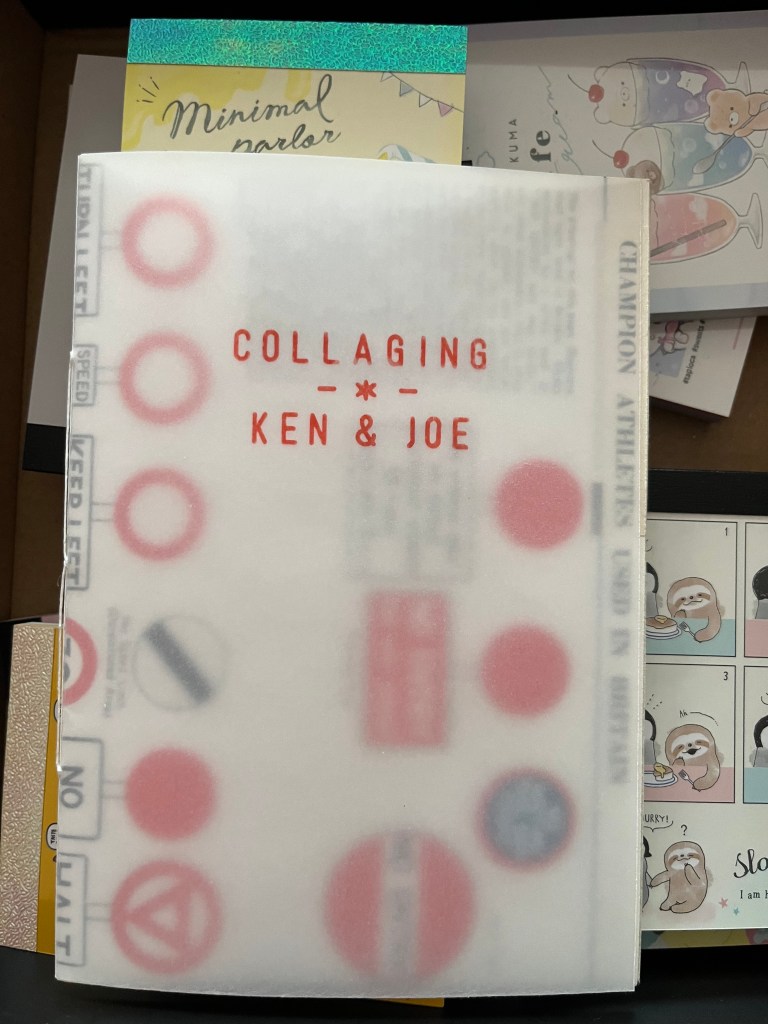
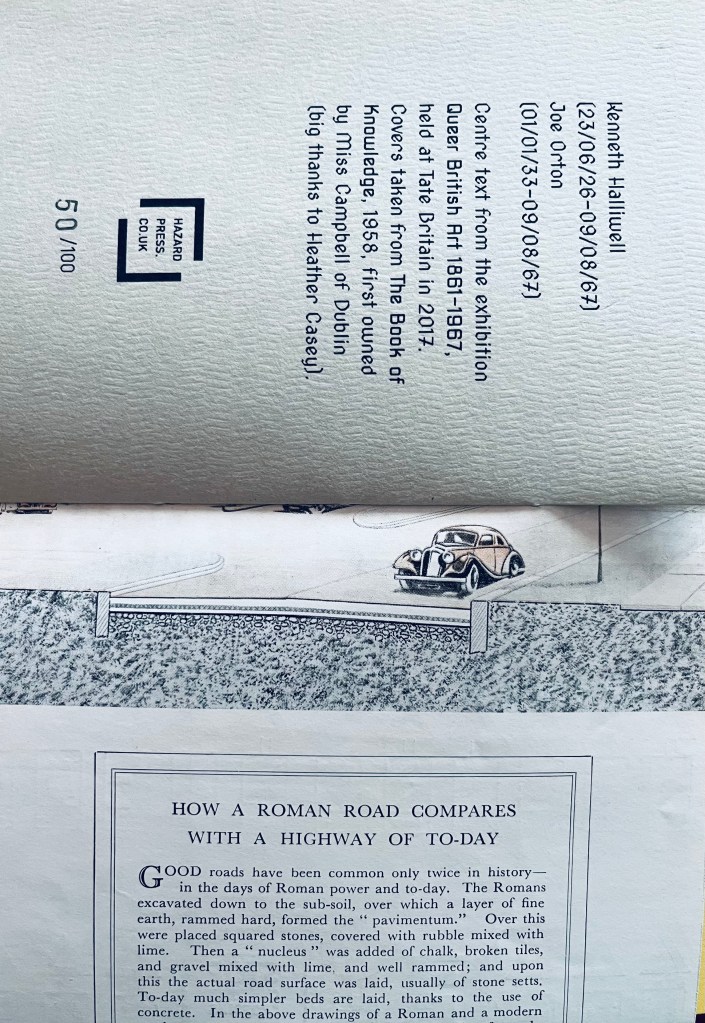
Isn’t it stunning?! Dinky and so beautifully made. Now, once again, I’m cloudy as to how I obtained this unique piece, but I have no regrets about buying such a beautiful pamphlet.
Extraordinarily bijou inside, it tells a brief tale of Joe Orton and his partner Kenneth Halliwell.
We know this did not end happily, and one really shouldn’t damage library books, but some of their blurb was hilarious! Especially Dorothy L Sayer’s book jacket.
As one can see, there is a minimum of detail inside.
There is other content in here that’s not wise to publish, but thank you Hazard Press for producing such a stunning pamphlet.
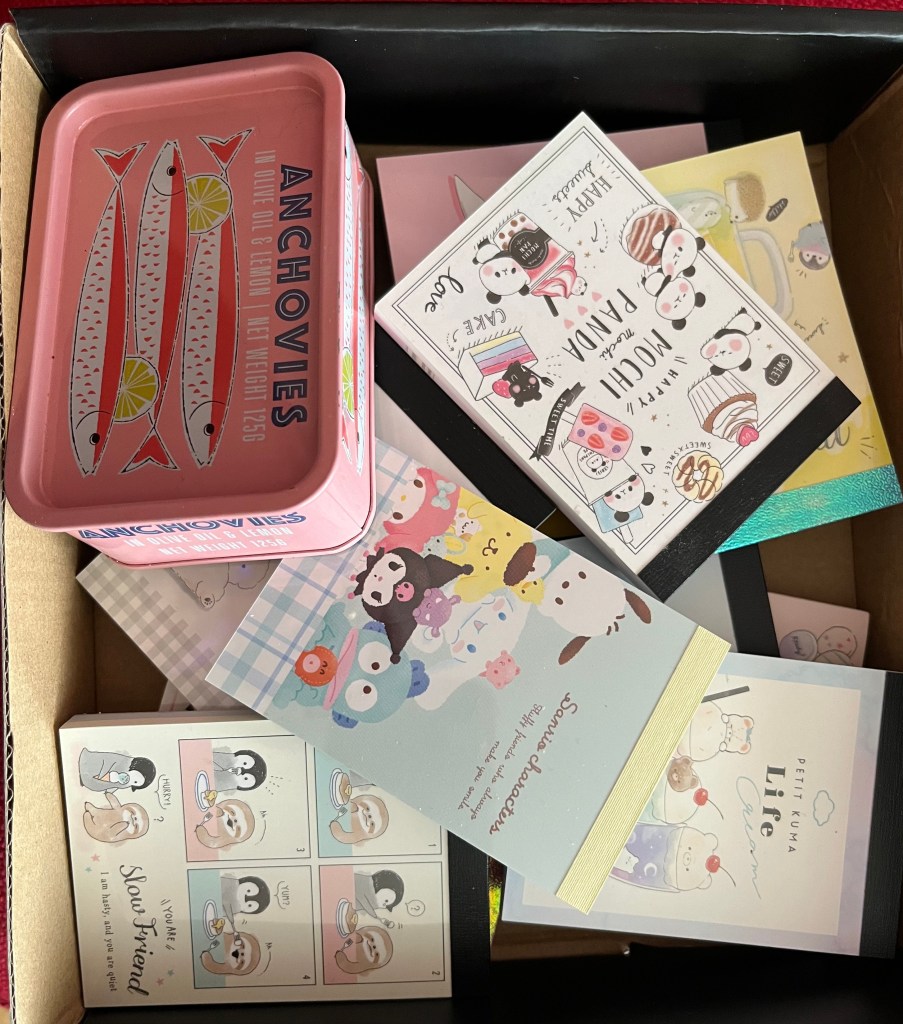
Dobby also found these!! How many have I collected through the years?! Aren’t they gorgeous?! Too small to be real useful writing pads but so so pretty…. I had forgotten what beautiful things I possessed.
Thank you for rooting through the Poetry Drawer with me, PL’s. We’ll be back with more poetry action real soon….
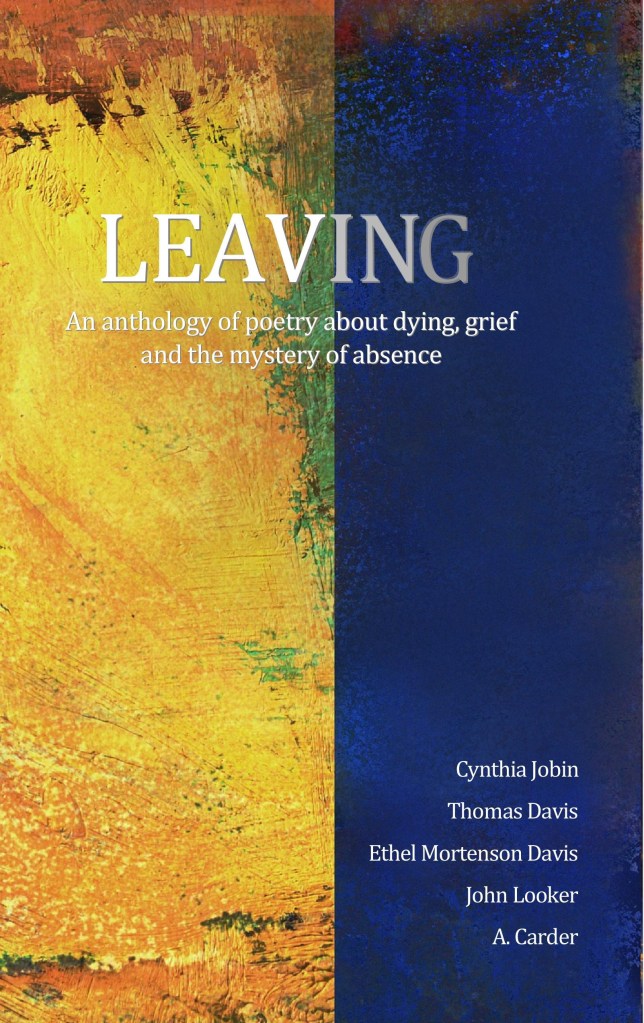
Recently I had the honour of being asked to review an anthology titled Leaving, published by Bennison Books.
I have to say the intelligence and poignancy of these five poets kept me utterly absorbed. A collection of poetry about dying, grief and the mystery of absence, that will sit with us all. Please note, these poems are far from gloomy. If anything, they will inspire us and give us strength.
So I’m proud to present my review from the Poetry Basket
Leaving
An Anthology of poetry about dying, grief and the mystery of absence
Published by Bennison Books
This collection presents us with a variation of bereavement and loss, seen through the eyes of five poets. Written from every aspect, there is a wealth of experiences, personal and otherwise from innovative writers. Painful and stirring yet we wouldn’t dream of turning away from these profound pieces. Do not assume this book is daunting reading, there is an edge of optimism and faith while dealing with the pain of separation.
We start with Cynthia Jobin’s Bereft. A succinct heading that could tempt one to shy away, but we are greeted with the monumentally visual Sunflowers, followed by the powerfully detailed Future Perfect. The title piece Bereft is a real insight into the ultimate grief of the ones left behind, while Real Estate tells us of the mixed emotions of inheritance. A material gain while being robbed of something more valuable. The Sun Also Sets simply tells us of tenderness and longing. So many struggling emotions are brought to life.
The Cruelty of Hours heading, written by Thomas Davis, looks at this painful era from another viewpoint. Cliches is absorbing, proving these really are the truest words – and the most tragic. A Son’s Eternity captures the true pain of outliving one’s child.
The compassion and the official in The Moment of Shattering highlights the intrusion and the poignancy of time slowly ticking away. Most readers, myself included, will be moved to recall how brutally that clock ticks, and the poet cleverly balances the practical with emotion. His Mother’s Arms stirs heaving emotions as a parent holds their child while dying.Back in New Mexico is a fitting end to this section, with vivid colour tinged with sadness at reattempting a so-called normal life. The Cruelty of Hours slows down time for us all.
We’re brought to Not to be Afraid by Ethel Mortenson Davis, an absorbing title that brings comfort. Death jumps out at one with its effective structure, and Messenger follows powerfully. The Bell is simply haunting, while In The Night gives us an insight into sheer longing for a lost one. Deathbed, a word we often use carelessly, brings a focused picture into a barren loss. Very cleverly done and The Healer is brutal and profound. Grief by its very short sharp words speaks volumes.
We arrive at John Looker’s Circumnavigating a Death and the title poem details a sharp image of a loss with the tangible aftermath of separation, and how we cope – if we really do. Still Life With Violin is painfully and visually beautiful, and Bulletins from the Sick are voices of the dying. The line ‘and will be in a hospice shortly, new journey begun’ rings loudly. Winter Closes In highlights the barrenness and surroundings of a very human situation.The Death of Pocahontas, a character from our history romanticised many times, details her demise in an alien culture and the grim surroundings of London in 1617. The reader welcomes a fresh look at this iconic figure. Old Age Becomes Him gives us a detailed account of fighting back.
Holding On is the penultimate section by A. Carder, whose title piece details physical pain, while Clarity brings visual and stunning descriptions. Home is looking at the things we love slipping away, and Not Yet is emotional without being mawkish. A personal favourite of this section is Many Rooms, the poet skilfully looks at the familiar with new eyes. Moments Mori is a parting piece with unforgettable words.
The late poet Cynthia Jobin concludes with a Night Draws Near chapter. A worthy tribute for a talented poet. North, Early December could be mistaken for being melancholy but we see its tinges of hope, as is To a Tulip with its unravelling of beauty. Among Other Things moves us with a reflection on colour and bareness. A strong way to end this powerful anthology.
Well, poetry really is all around us. Particularly at the back of a drawer it seems.
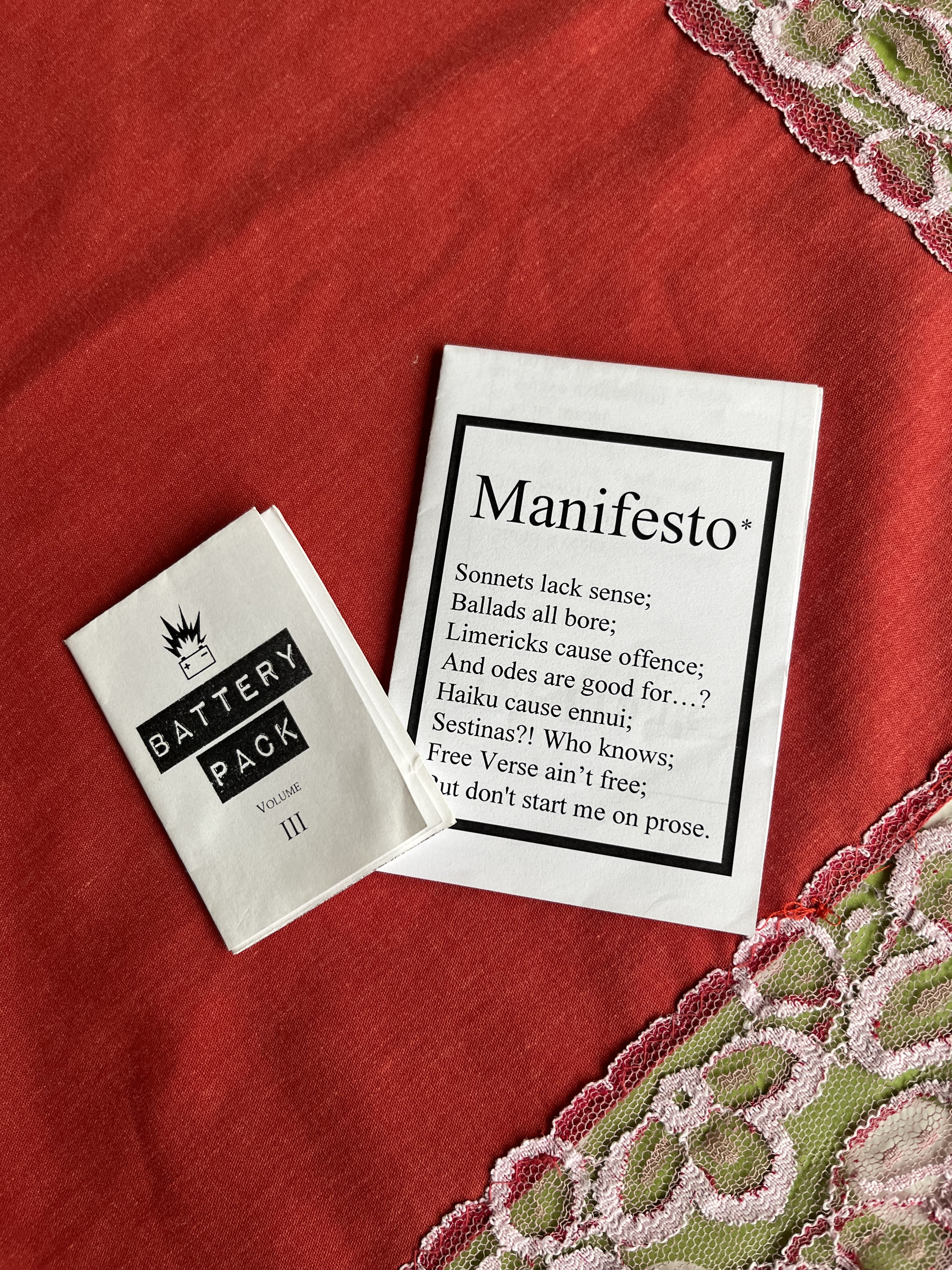
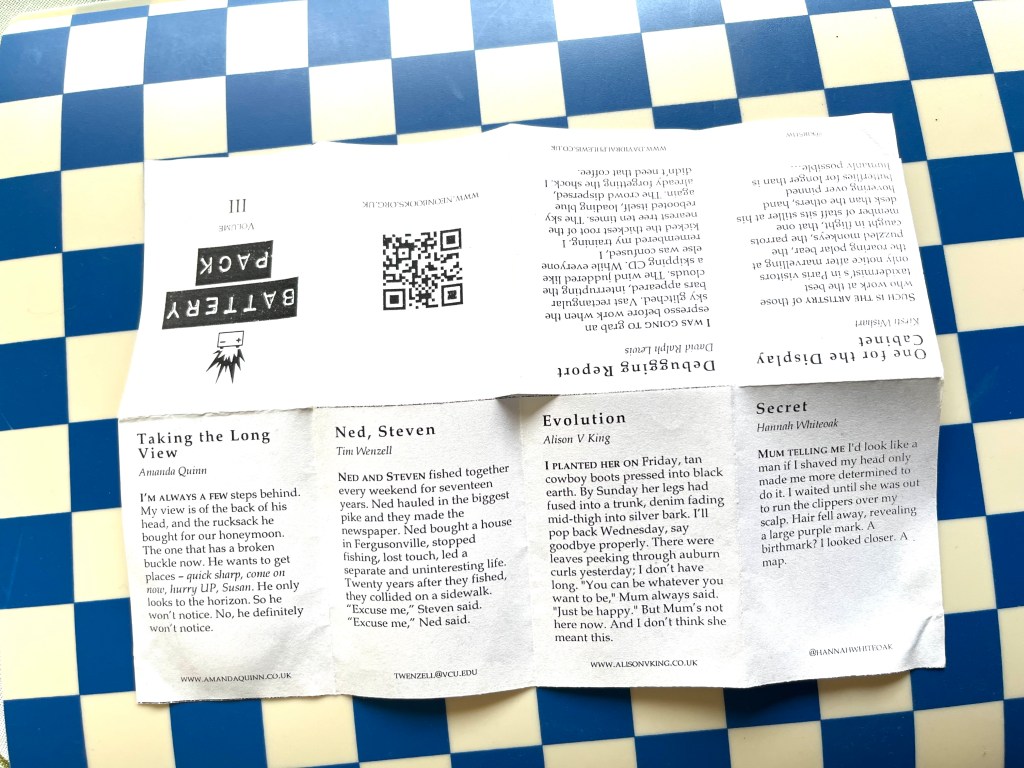
Aren’t they dinky?! The tiny Battery Pack pamphlet I took at face value and assumed it was a forgotten instruction manual! Nearly meeting its fate in the bin! Thank Goodness I realised.
Now Battery Pack volume III’s origins is a complete mystery to me. Did I buy it? Was it handed out? I guess we’ll never know.
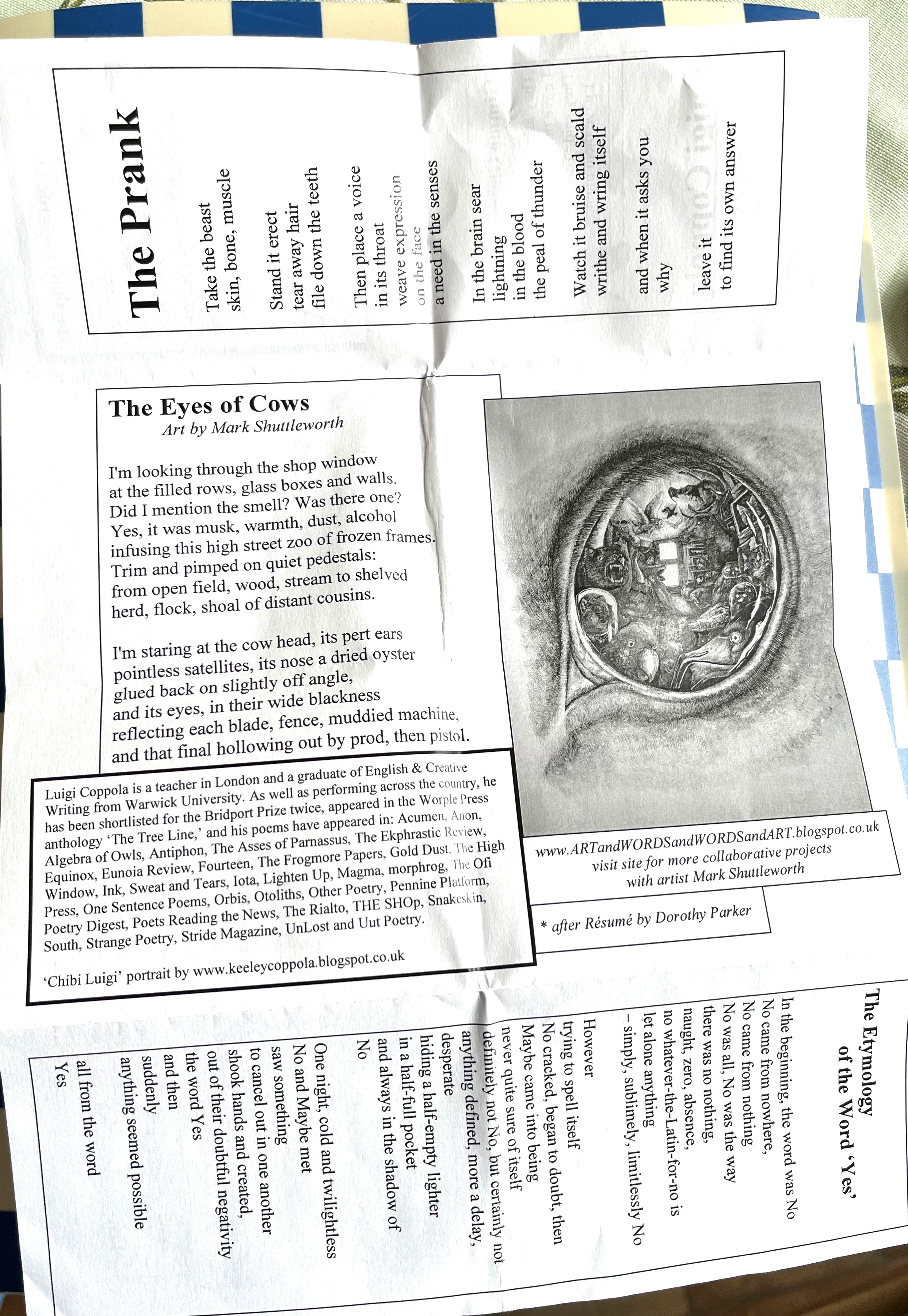
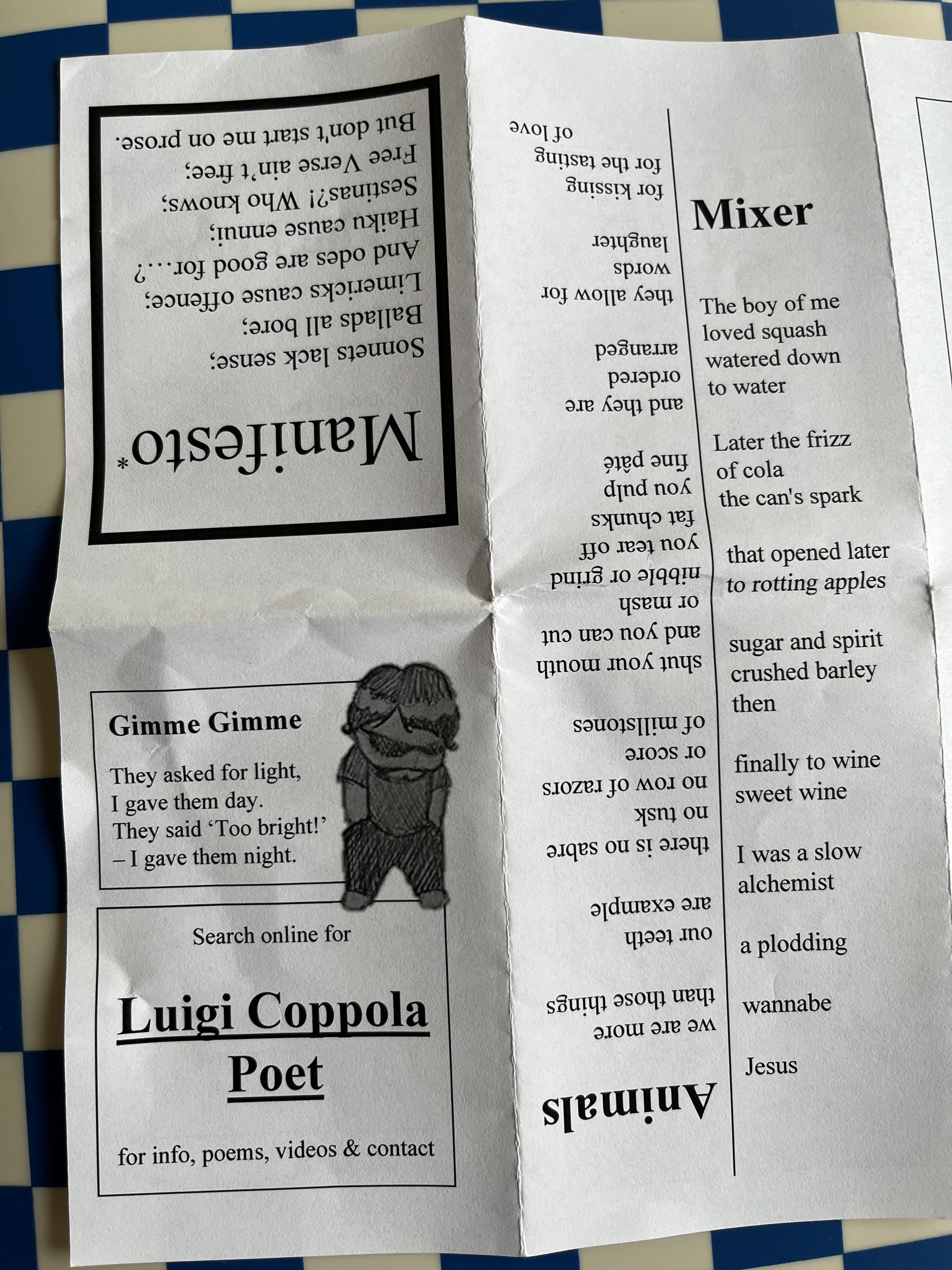
However, the larger pamphlet/handout was given out by a feisty poet Luigi Coppola at poetry@3 in the Poetry Cafe. Lord knows when! A while before COVID I suspect.
This poet had a lot to say, and good for him. I’ve chosen my favourite extract;
Manifesto
Sonnets lack sense;
Ballads all bore;
Limericks cause offence;
And odes are good for….?
Haiku causes ennui;
Sestinas?! Who knows;
Free Verse ain’t free;
But don’t start me on prose.
Luigi Coppola
Now, the cute little Battery Pack vol III pamphlet doesn’t really deliver for me. It’s like very flash fiction indeed.
However, I’ll show you what I think is the best of them;
Ned, Steven
Ned and Steven fished together every weekend for seventeen years. Ned hauled in the biggest pike and they made the newspaper. Ned bought a house in Fergusonville, stopped fishing, lost touch, led a separate and uninteresting life. Twenty years after they fished, they collided on a sidewalk.“Excuse me,” Steven said. “Excuse me,” Ned said.
Tim Wenzell
I kind of like this one. True and sad.
I hope you liked these little excerpts of poetry, Dobby and I will keep looking through that poetry drawer (and wardrobe!)
There’s probably a drawer like that in every poet’s home, so please share what you discover in your own….
Thanks for tuning in, PL’s. We’ll be back with more poetry action real soon….
Welcome back to the talk show studio. (Rapturous applause)
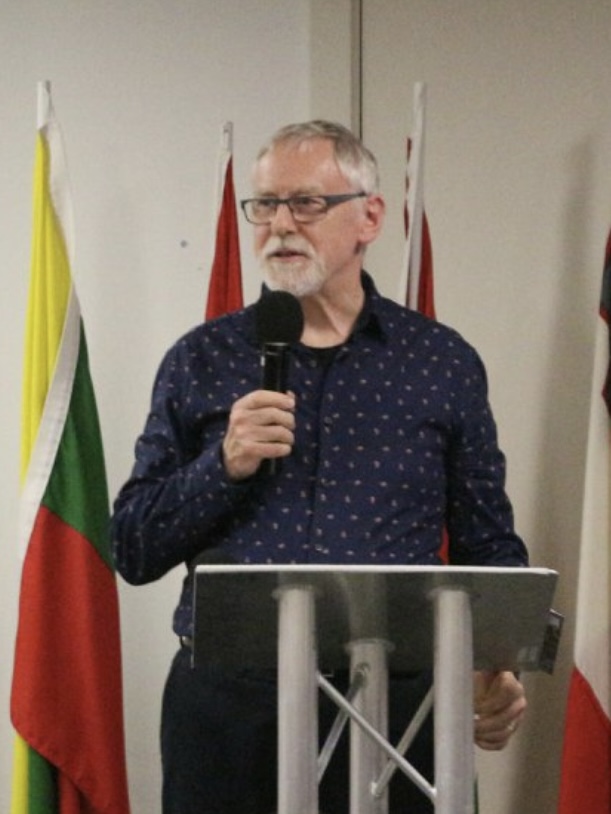
Today we have the honour of welcoming talented poet John Looker (Audience cheer)
(Our esteemed guest glides down the lighted stairs to great applause)
Welcome to the show, John. I hope Dobby didn’t nip you on the way.
Why don’t you fill us in on your background?
A pleasure to be here, Heather. I managed to give Dobby the slip (for now).
I suppose I should start with a confession Heather, although I’m afraid you can’t claim it as a scoop: ‘John Looker’ is a pen name. It’s the name of my mother’s father who was killed in the London Blitz in 1940. I was born five years later and my parents named me John after him.
Years later I felt some right to the name Looker, and also some obligation. In a family of immensely practical people, I was the bookworm and I sense that it comes from my unknown grandfather’s DNA.
He left us his books, the best books in the house. There was a glass cabinet with volumes of Shakespeare, George Bernard Shaw, the Rubáiyát of Omar Khayyám, Palgrave’s Golden Treasury and so on. When I was old enough I dug deep into these.
Also I discovered a box far back in the cupboard under the stairs with the original John Looker’s books on theosophy and comparative religion – hidden because they were felt to be disturbing.
Other than that my life is unremarkable: happy childhood on the southern edge of London, uni, civil service career, happily married raising a family in the Surrey Hills, and now lovely grandchildren.
I travelled widely through my work, though, and this fed into my poems. Often with a historical twist.
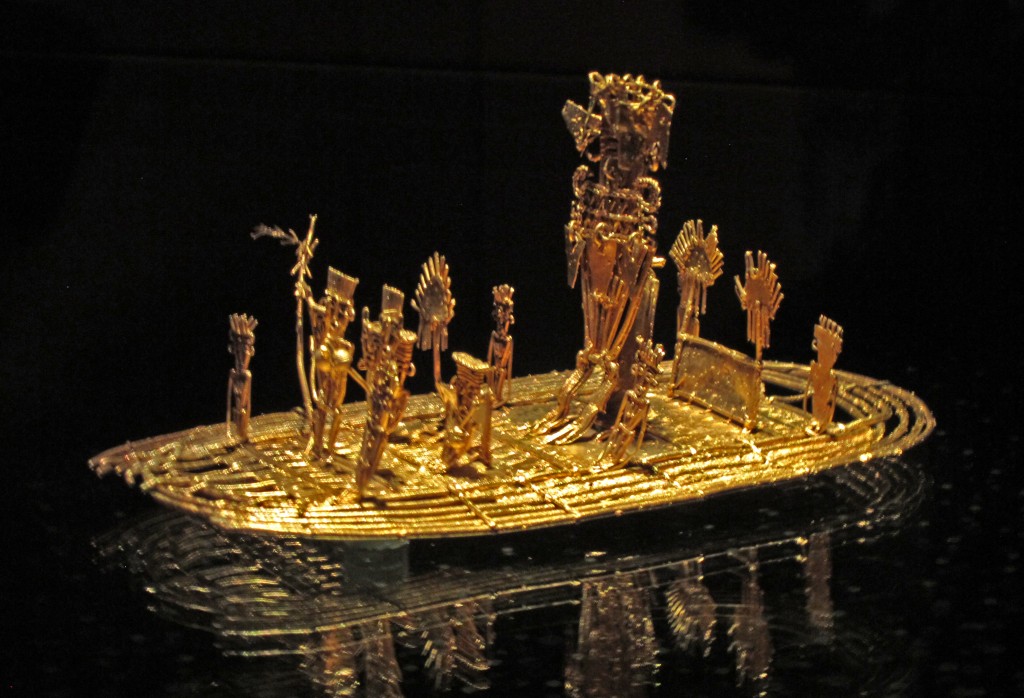
So for example, I was in Bogota and in their gold museum there was an exquisite gold sculpture from pre-Columbus days: a miniature raft carrying El Dorado, the prince covered in gold dust. Years later I used that in a poem. It began:
“Beneath his feet the raft rocks, unevenly.
Disdaining the cold, he stands proud
to receive the gift of the sun as it clears the peaks …”
but it ended with intimations of the approaching conquistadors. That poem was published in an anthology marking the Austin International Poetry Festival’s 20th anniversary.
What a lovely personal legacy, John. I can see you treasure them. And taking your grandfather’s name is such a poignant link.
That is a stunning poem too, and I’m pleased it got the success it deserved. That miniature is so beautiful.
When did poetry become a part of your life?
As soon as I could read, I suppose. AA Milne, Lewis Carroll, Hiawatha. That’s pretty normal isn’t it?
The trouble was, in my teens I became painfully self-conscious about reading and writing verse. I was afraid that poetry was for wimps and cissies: probably the influence of the Beano, the Dandy and too many boys’ comics. I hated Wordsworth’s daffodils poem.
I remember one day, walking through the corridors at school, clearly saying to myself ‘I do NOT write poetry’. So for a few years I only wrote songs. It’s just that I was hopeless at tunes.
So, you were a composer too. Fascinating. Yes, there were many misconceptions about poetry that held us back.
Who were your biggest influences?
Screenshot
Well, my poetry-free spell came to an end when I was sixteen and allowed unsupervised access to the school library. I discovered three poets no one had told me about: John Donne, Wilfred Owen and DH Lawrence. They were a revelation. Clearly masculine. I was reassured that poetry was for men, for blokes.
A huge influence then was my English teacher, Mr Egford. He took us beyond the syllabus and introduced us to TS Eliot and others, and he encouraged me to write.
I might also point to a painter. Years ago there was a tv programme about Howard Hodgkin. He had canvasses stacked all round the studio and he explained how he would take one, put it on the easel and contemplate it, trying out minor revisions. He would have several on the go for months before signing one off. I find I do that with things I’ve written.
I see that I haven’t answered your question in the conventional way. My wife and I enjoy such a wide variety of poets together that I’m not sure where any influences lie.
We remember teachers like that, don’t we. And the library is a life-changing establishment.
Stunning painting, what an inspiration and such beautiful colours.
Are you working on anything at the moment?
Actually that’s not easy to talk about. I like a project. My first book looked at life through the emotions and experiences we encounter at work.
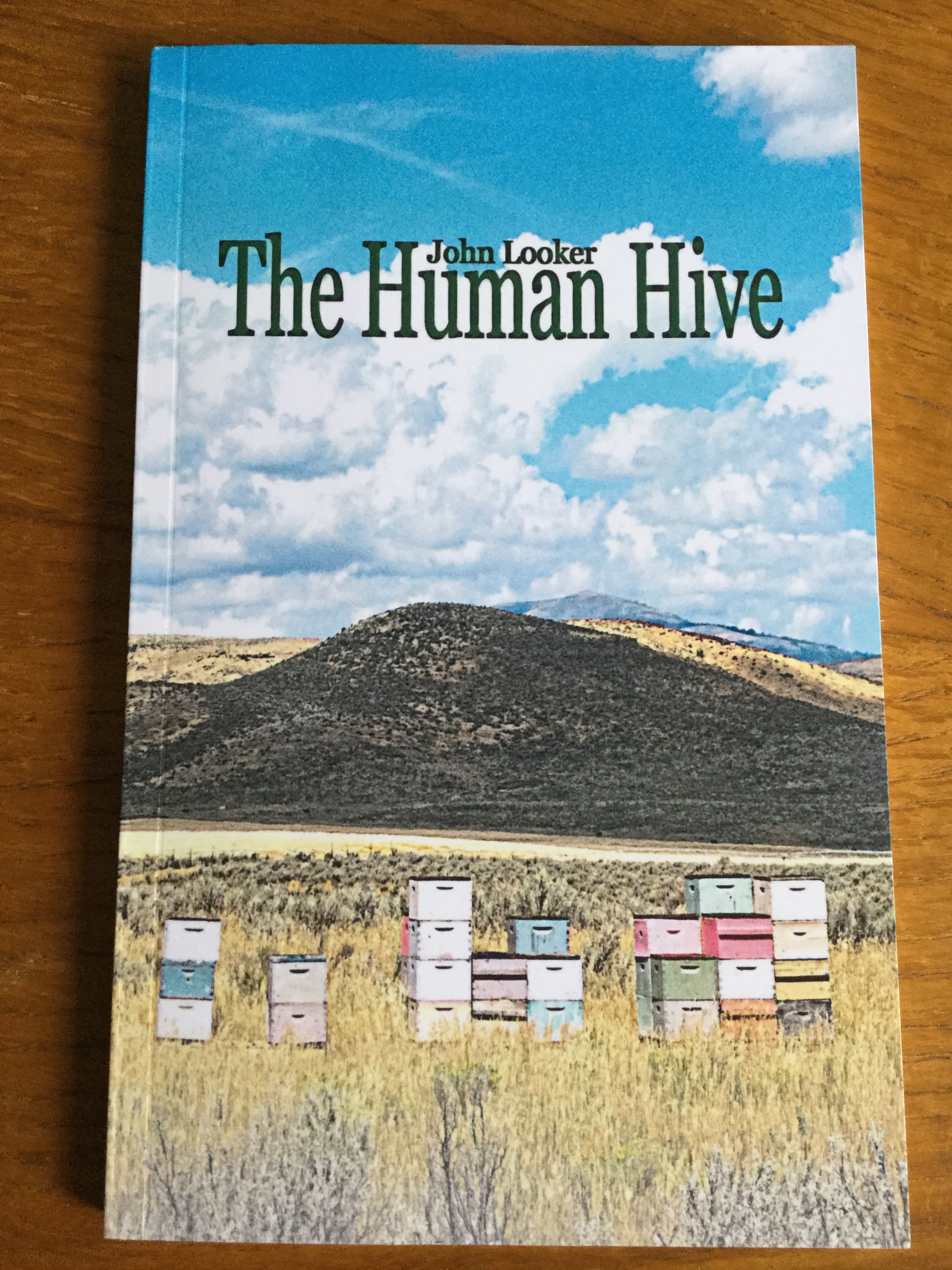
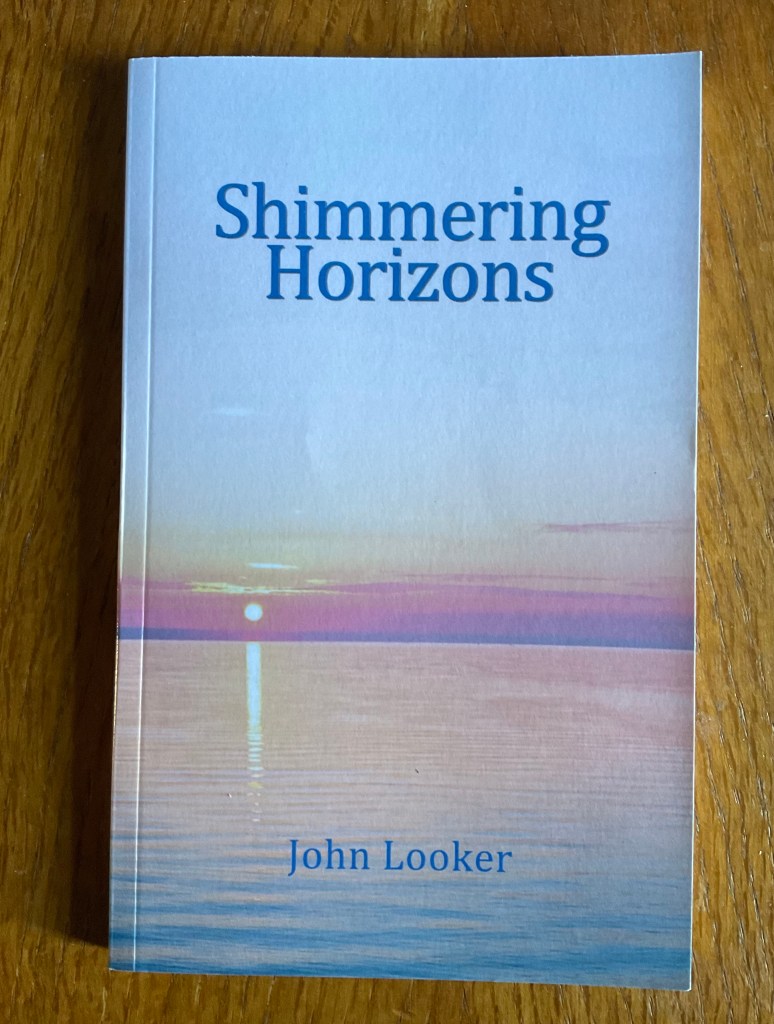
That was The Human Hive, published by the independent publisher Bennison Books. I owe them a lot because they also published Shimmering Horizons on the theme of the journey, the quest, the odyssey.
One thing those two books have in common is that they are not about me. Or not directly. They look outwards. They try to look for our common humanity – down the ages and round the globe.
There’s a new project I began in 2021 which should keep me happy for a number of years. It’s a sequence of poems which also looks at human life historically …
… but I don’t mind talking about something else. I decided at the start of 2023 to write a poem for each of our ten grandchildren, pitched as best I could for the interests and age of each grandchild – because they range from young adults to five years.
It started when a granddaughter took one of my books to school to show her teacher an earlier poem about herself when a toddler. I’ve just finished and given the last of the new poems to a grandson. They’re not for publication of course.
Ten grandchildren?!Oh what a great and personal project. You were very busy indeed!
So, (sweeps everything off the desk. Audience gasp) …..
What is the best poetry gig you have done?And the Worst?!
Screenshot
I’ve never performed in a gig. Although Magma once invited me, and others, to read at the launch of their European issue. My poem was about three exhilarating moments in European history: the arrival of Christianity, Petrarch and the Renaissance, and Copernicus.
There was also the launch of an anthology in New Zealand, published by the Caselberg Trust to round up the winners and runners-up from their annual competitions.
I had a poem in it called Conversation with a Sea Lion. I wasn’t able to get there but two daughters live in Dunedin and they went and were made very welcome.
But if you’re looking for a memory of something embarrassing, I can think of a grandson who came home from school complaining about a poetry lesson saying “Even Grandpa’s poems are better than that!”
They don’t pull any punches, do they?!
Thank you for being such a fascinating guest. Are you out on the town tonight ?
I’d better lay low, Heather. Dobby and her pals are out there!
(Our esteemed guest legs it up the stairs – fast. Cries of pain follow)
Oops! Looks like Dobby got to John after all! Wasn’t John Looker a wonderful guest. Very interesting. Do look at John’s site, it’s a real treat http://Johnlooker.wordpress.com
Thanks for coming to the studio, PL’s. We’ll be back with more poetry action real soon.
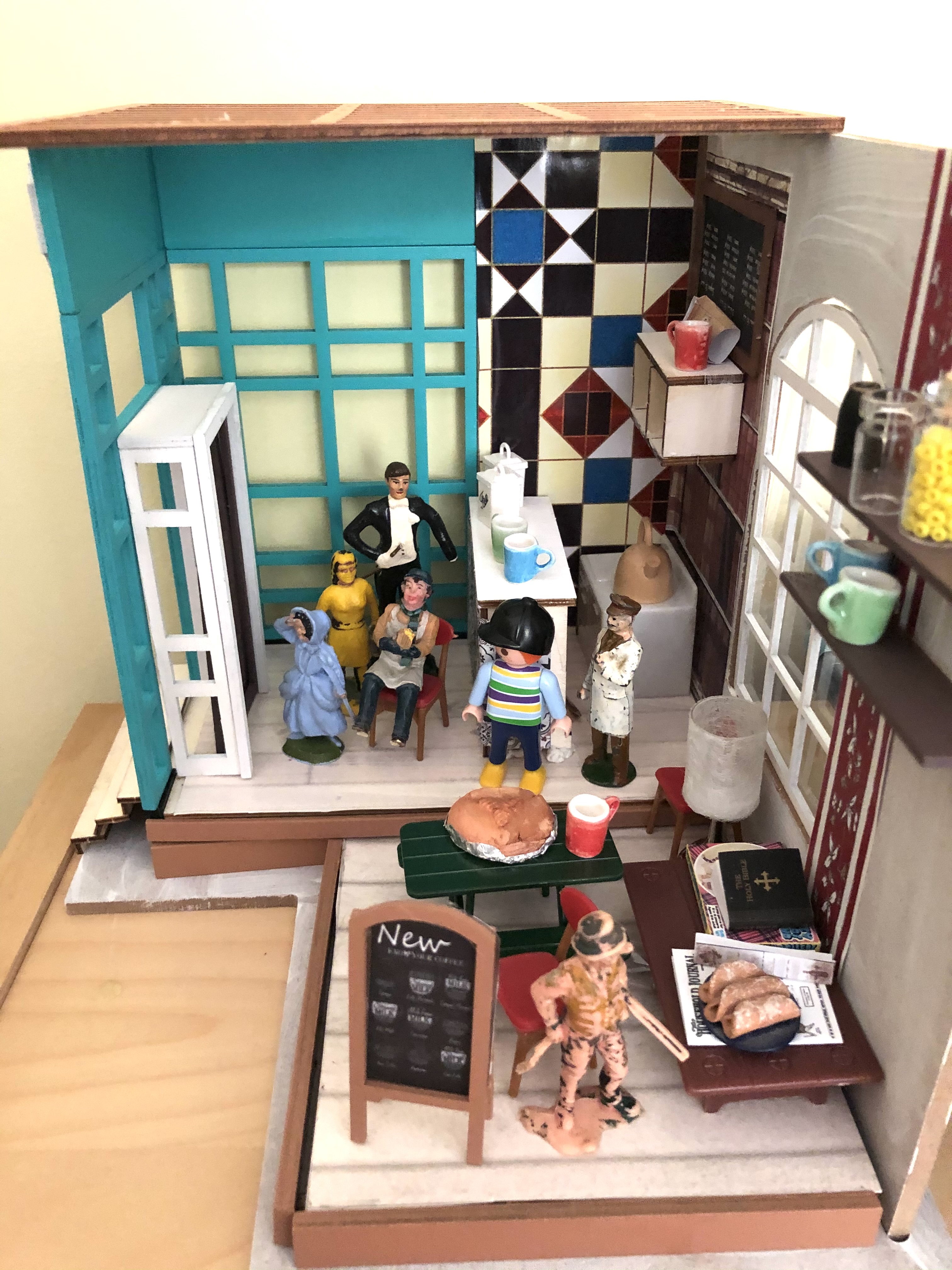
Yes! It’s been three years since the sought-after Slagg’s Cafe opened. We are currently reporting live from the anniversary ‘Do’.
By some miracle, all 3 of us Booming Lovelies have been invited – I’ve begged and pleaded for an invite in the past – and now Mrs Slagg has relented and let us join them in this gala. Provided that we read a poem each!
Well, me and Trisha Broomfield and Sharron Green were happy to provide this service in exchange for basking in the Slagg’s glory.
So, I’m getting up on the platform first, wish me luck….
Congratulations! It’s the Slagg’s Cafe anniversary
they’ve gone upmarket with a lending library
and a Bistro restaurant serving pies
this is now where eating out lies
A stand-up comedian tells a blue joke
you have to have sugary tea and smoke
And there’s poetry and exhibitions of art
as long as you eat Mrs Slagg’s apple tart!
Phew! Not a bad reception from Mrs Slagg. I’d better light up quickly now.
Our next poem is from the lovely witty Sharron Green. Break a leg, Sharron!
The Slagg’s Cafe is now 3,
and there’s a festive mood.
Birthday cake and pot of tea,
one stale and the other stewed.
The floor is extra sticky,
the air a fog of smoke,
but if you’re not too picky
you’ll meet some crazy folk!
Excellent Sharron. And so true! A hearty round of applause there. Here’s your (sugared) tea, you deserve it!
So our last but never least poet, the wonderful and prolific Trisha Broomfield will be sharing her anniversary piece with us. We’re with you Up There, Trisha!
Of course we should be starring
The night could see some sparring
Compulsory will be required fags
Lounging around, a few old lags,
But the applause will be stupendous
And we will be tremendous, poets!
Marvellous, Trisha, very well deserved applause! Now, you’d better eat up that pie because I think you’re right, sparring could be happening very soon. So we’ll make a hasty getaway (once I finish this Woodbine! Cough!)
Thank you, fellow Booming Lovelies for coming up with the goods and getting us an ‘in’ with Mrs Slagg. Her bashes are equivalent to Truman Capote’s notorious Black & White ball – where even Tony Curtis was not invited (allegedly).
Thanks for tuning in, PL’s and sharing Mrs Slagg’s finest hour. We’ll be back with more poetry action real soon…..




































 The Death of Pocahontas, a character from our history romanticised many times, details her demise in an alien culture and the grim surroundings of London in 1617. The reader welcomes a fresh look at this iconic figure. Old Age Becomes Him gives us a detailed account of fighting back.































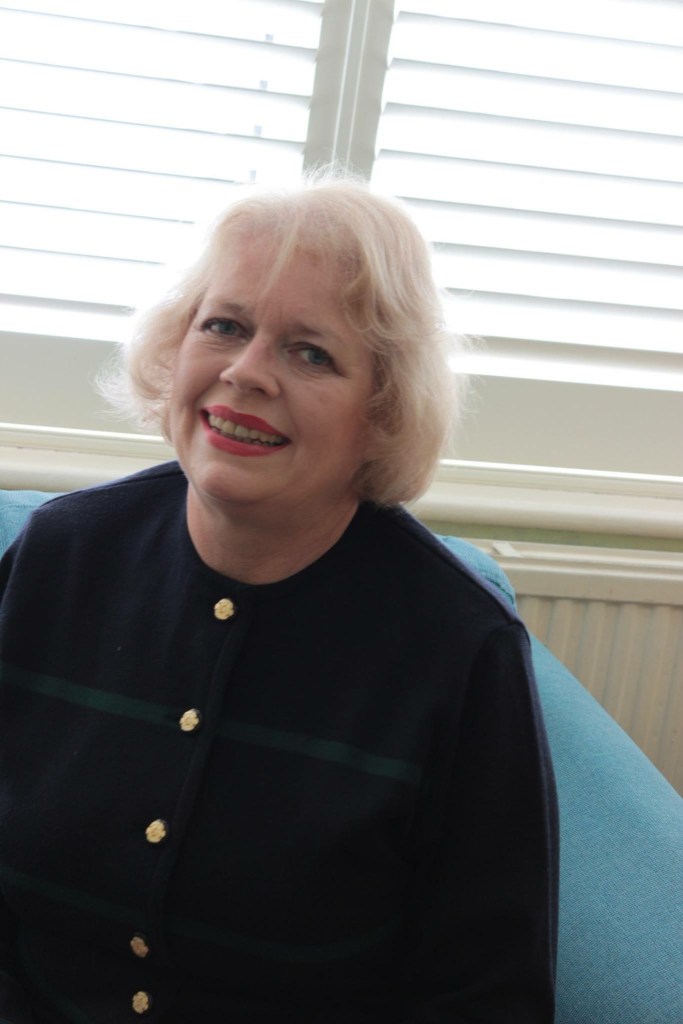
 Heather Moulson