Poetry Wardrobe Revisited

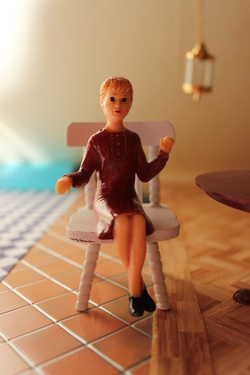
HELLO, POETRY LOVERS, INSPIRED BY TRISHA’S AND SHARRON’S LOVELY PIECES, I AM DETERMINED TO MAKE A TRILOGY OF THIS CLOTHES AND WARDROBE BUSINESS. SO JUST HUMOUR ME. HERE’S A POEM OF MY OWN THAT I KIND OF SEWED(!) TOGETHER

Mum had a wardrobe full of mini-skirted suits

with fur-edged sleeves,

and stockings and panty-girdles.

My sister’s had long hippy dresses, no shoes.

Woodstock uniform, though she never even made it to the Isle of Wight.

Mine had tank tops, and flares

and later, vintage pieces from Portobello and Camden

then

garments that turned to beige.

Subtle, they said, meaning invisible.

All crammed in next to daughter’s cold cut work blouses.

I slam the wardrobe door shut,

and leg it to Primark.

Heather Moulson 2020

Phew! I think that’s out of my system (but don’t get your hopes up).

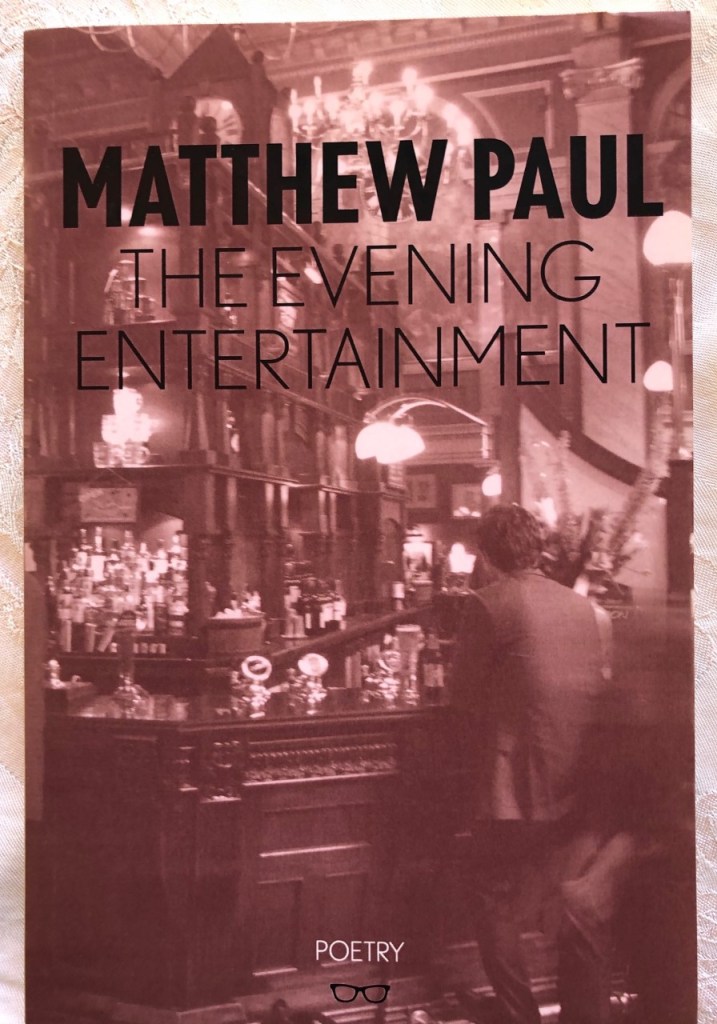
Next episode features a fantastic interview with the wonderful poet, Matthew Paul. Stay tuned!!

Poetry Wardrobe

NOW WE SEEM TO HAVE CREATED A POETRY WARDROBE WHICH IS VERY FITTING(!) FOR THIS BEAUTIFUL POEM BY SHARRON GREEN.

SHARRON IS A VERY PROLIFIC POET AND HAS A STUNNING COLLECTION – Rhymes_n_Roses, AVAILABLE FROM SHARRON’S WEBSITE . http://rhymesnroses.com REALLY WORTH A READ.

A Tight Predicament

My underwear, has gone somewhere

I don’t know where it’s gone,

the drawers are bare,

there’s nothing spare,

what’s left feels put upon.

The wardrobe’s staged a sit in,

all comfy clothes on strike,

my going out are wearing thin,

I can’t dress how I’d like.

I feel adrift ‘tween sizes,

already going large,

I’ll know the hell, of XXL,

if I don’t soon take charge,

I’m blaming it on lockdown,

a lack of exercise,

no outings to dress up for,

too many shepherd’s pies.

In truth I should be keener,

the latest masks to model,

with luck I won’t be recognised

as round the shops I waddle.

Sharron Green 2020

WASN’T THAT WONDERFUL?! SO WE’VE HAD IRONING, AND CLOTHES. IF YOU HAVE ANY GARMENT RELATED PIECES YOU’D LIKE TO SHARE, DO SEND IT IN VIA COMMENTS (MY CONTACT PAGE DOESN’T SEEM TO BE FUNCTIONING, SO I’M EXPECTING THE REPAIR MAN ROUND ANY MINUTE. BEST GET THE KETTLE ON!)

WATCH THIS SPACE FOR MORE AMAZING POETRY DON’T TOUCH THAT DIAL!!!

The Poetry Door….

HELLO, POETRY LOVERS. TODAY WE’RE GOING TO GO THROUGH THE POETRY DOOR AND WE’D LOVE YOU TO JOIN US.

I HAVE FOUND A STUNNING POEM BY THE LOVELY AND TALENTED TRISHA BROOMFIELD. I’VE BEEN A GREAT ADMIRER OF HER WORK FOR SOME TIME, AND THIS ONE PARTICULARLY BLEW ME AWAY.

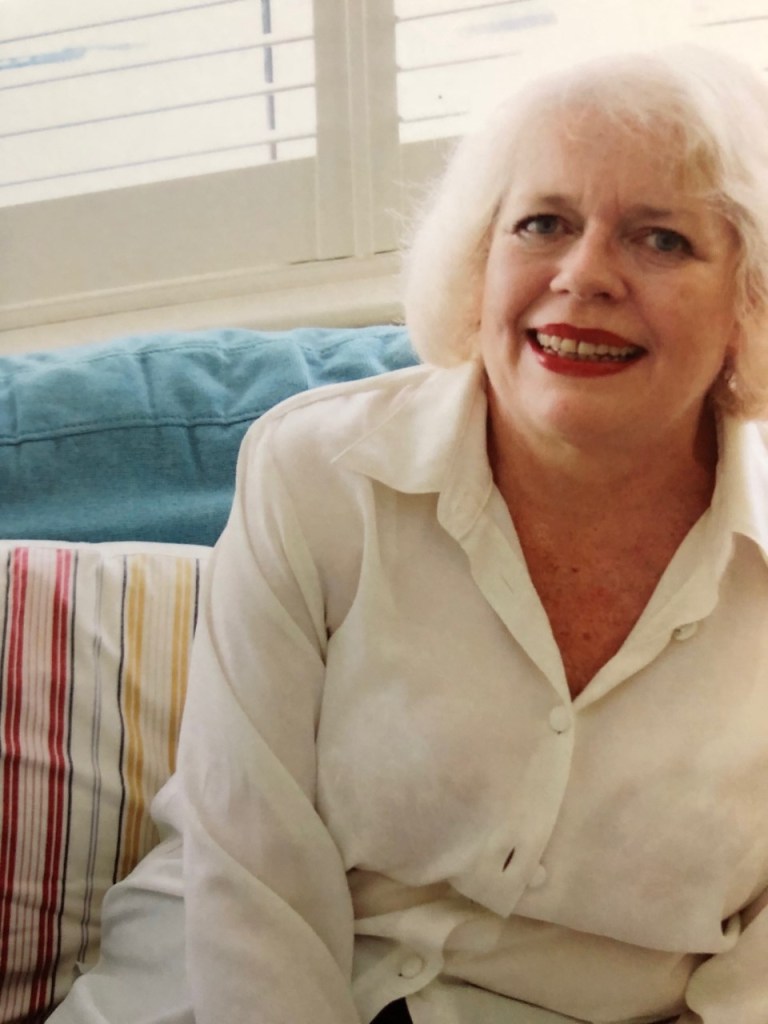
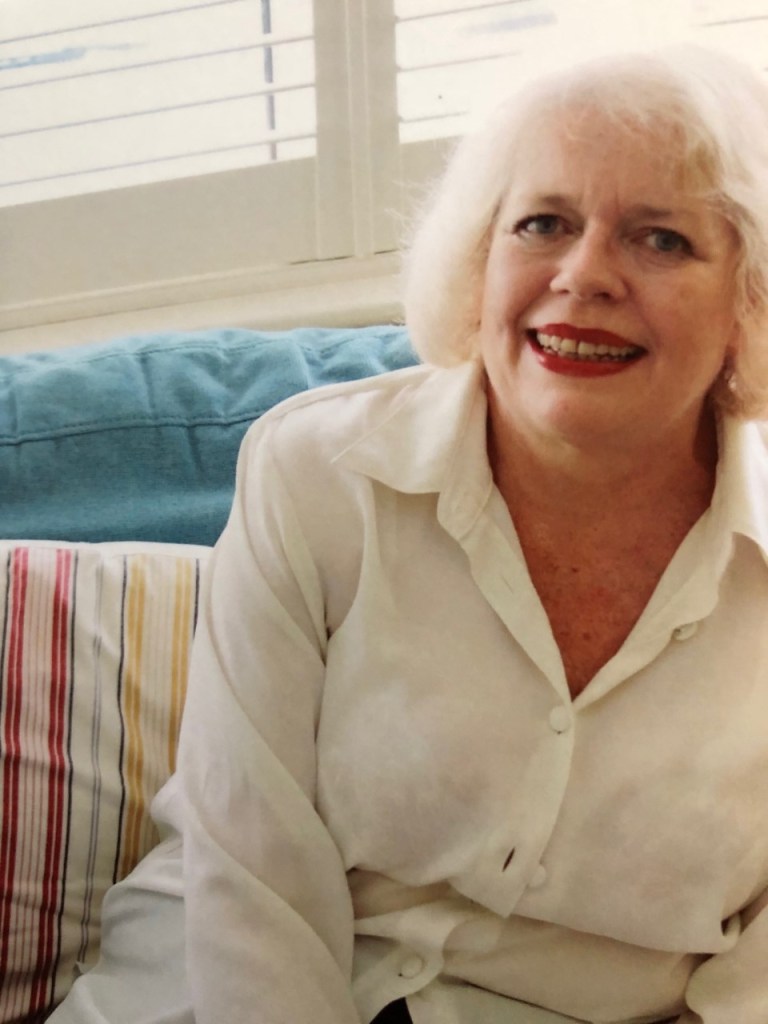
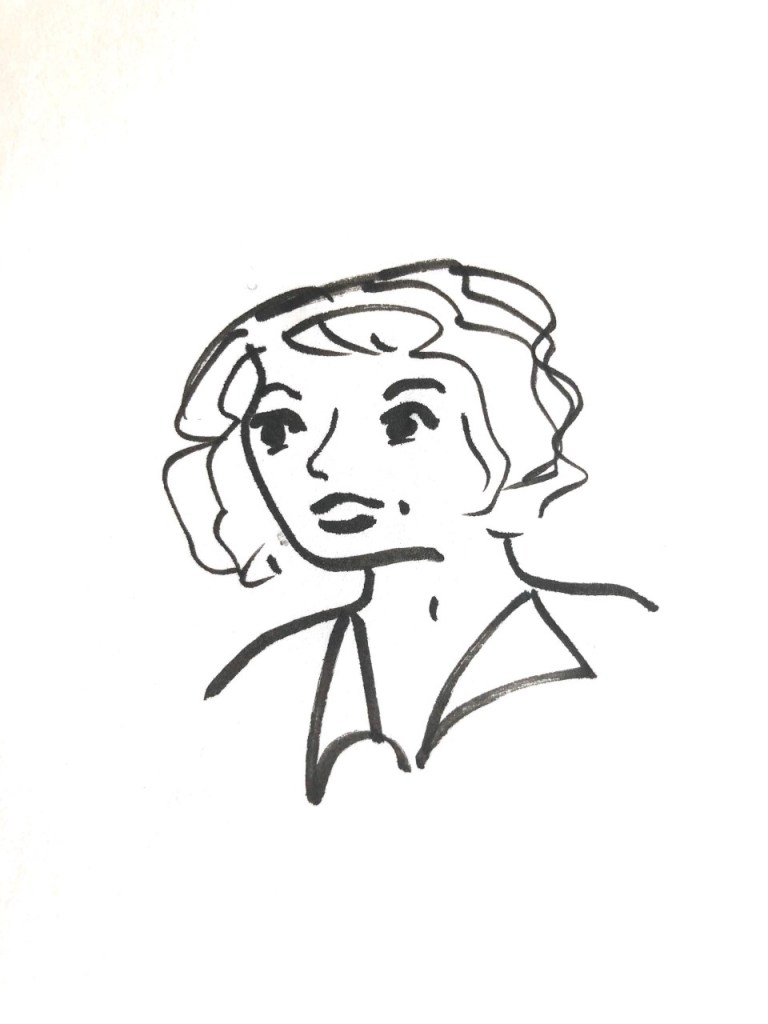
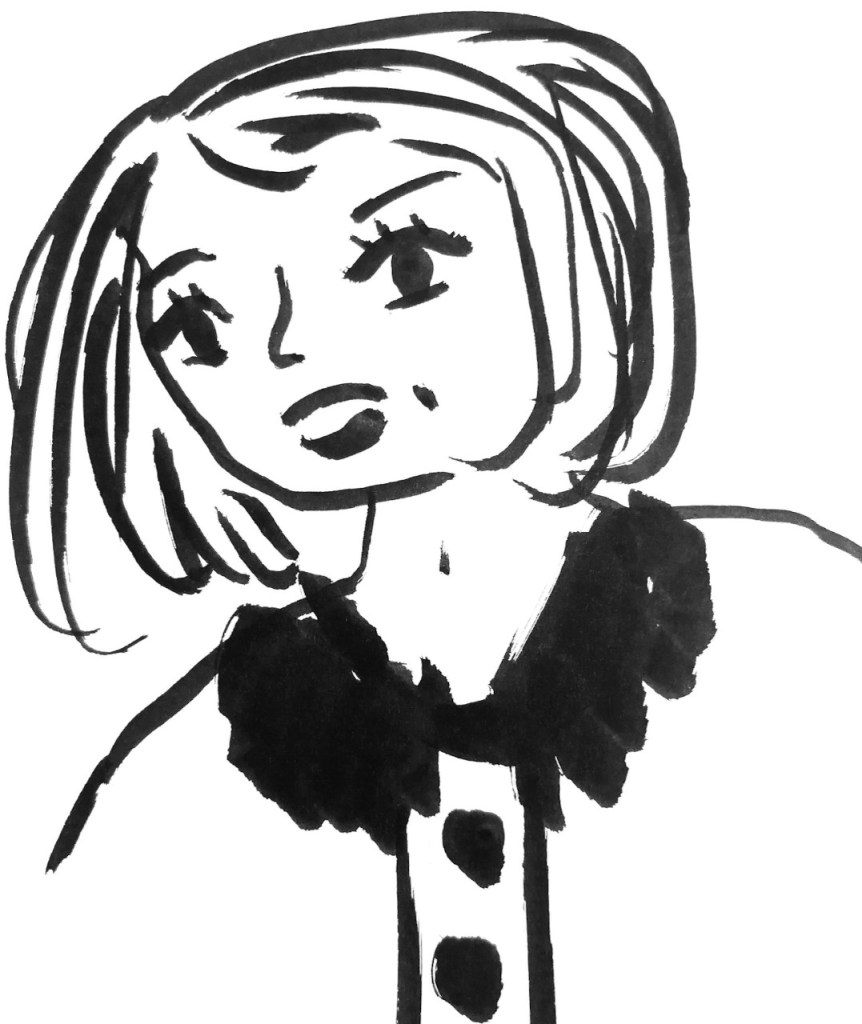
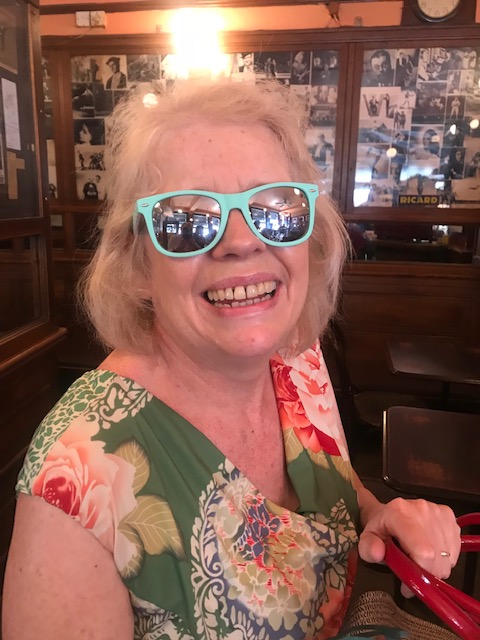
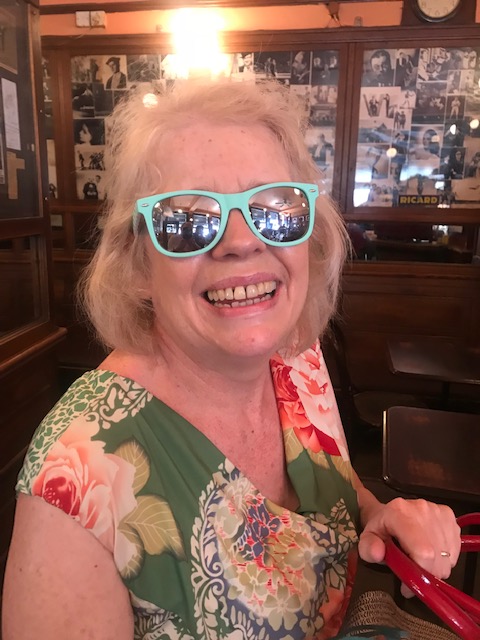
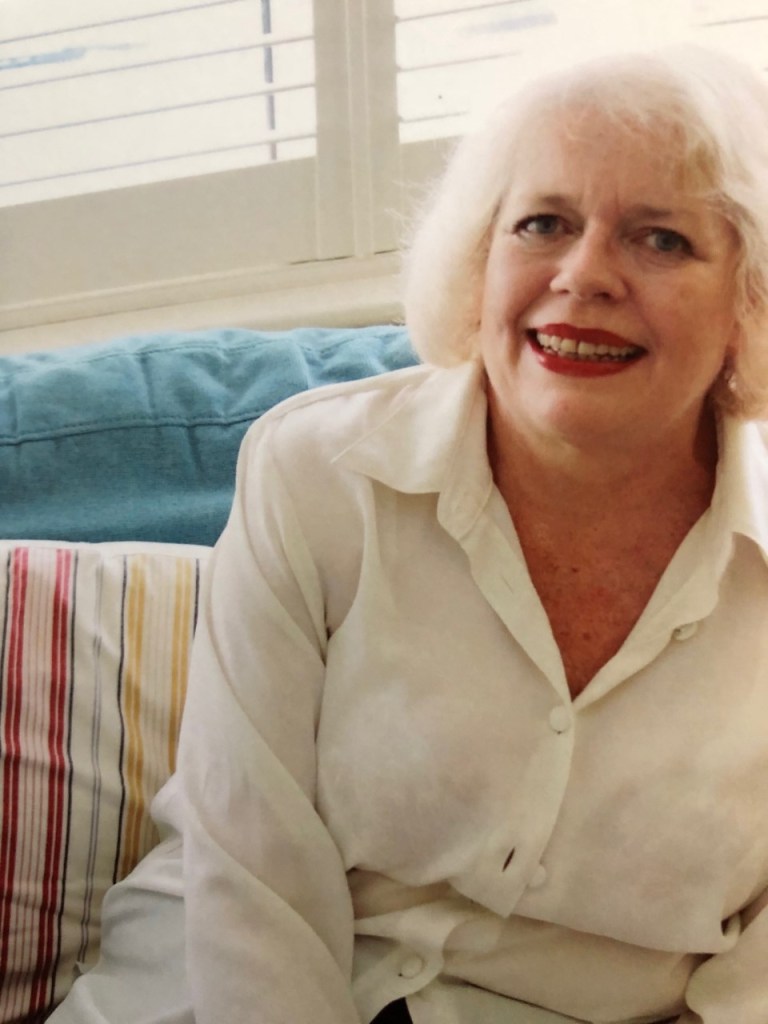
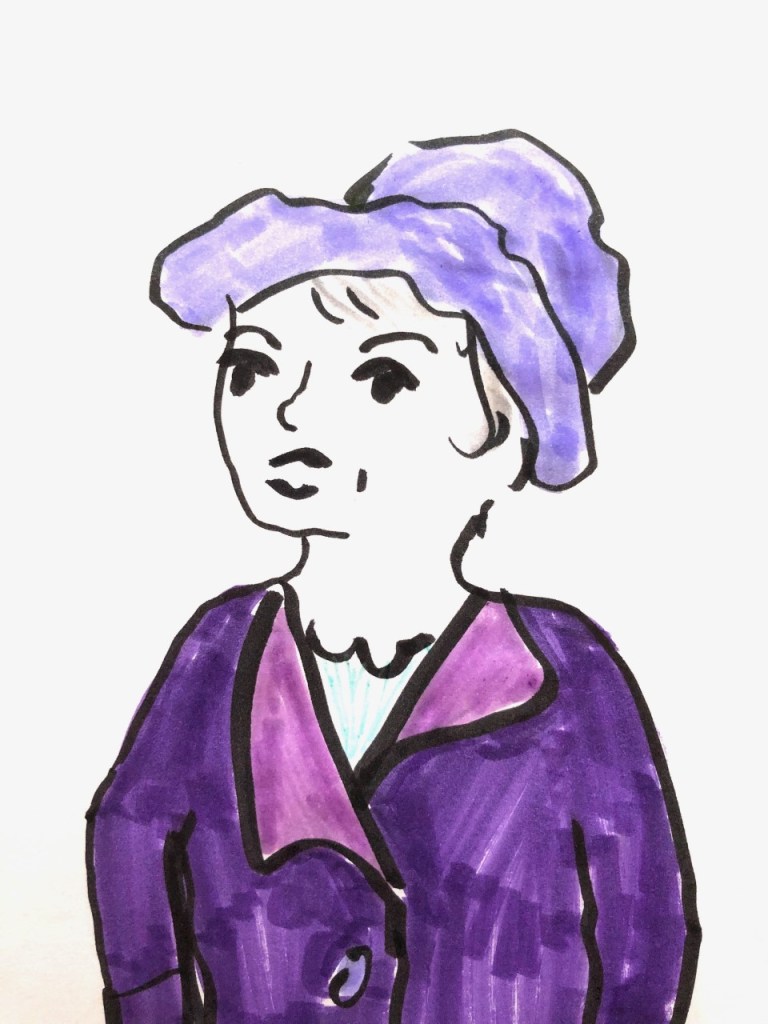
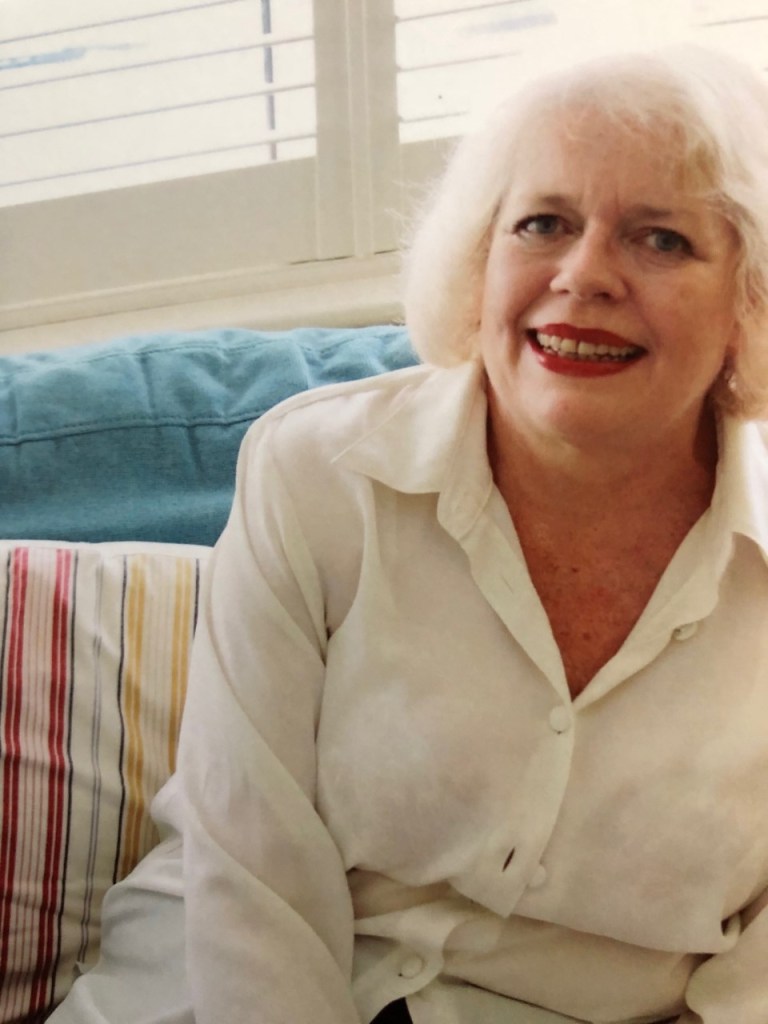
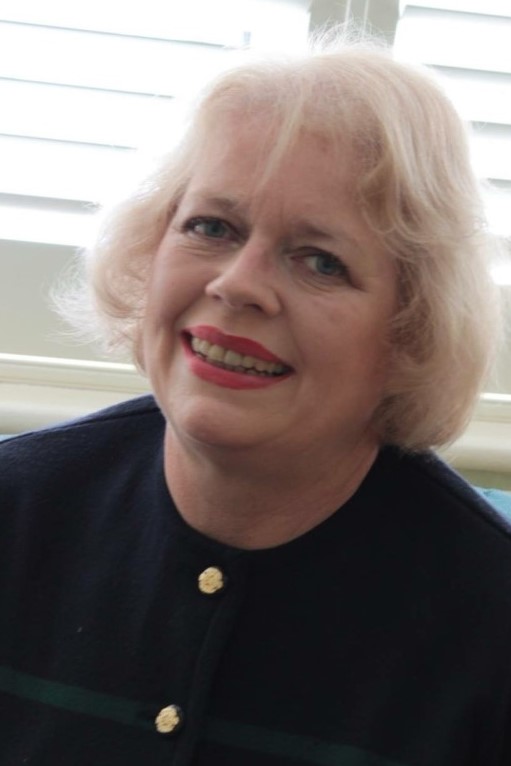
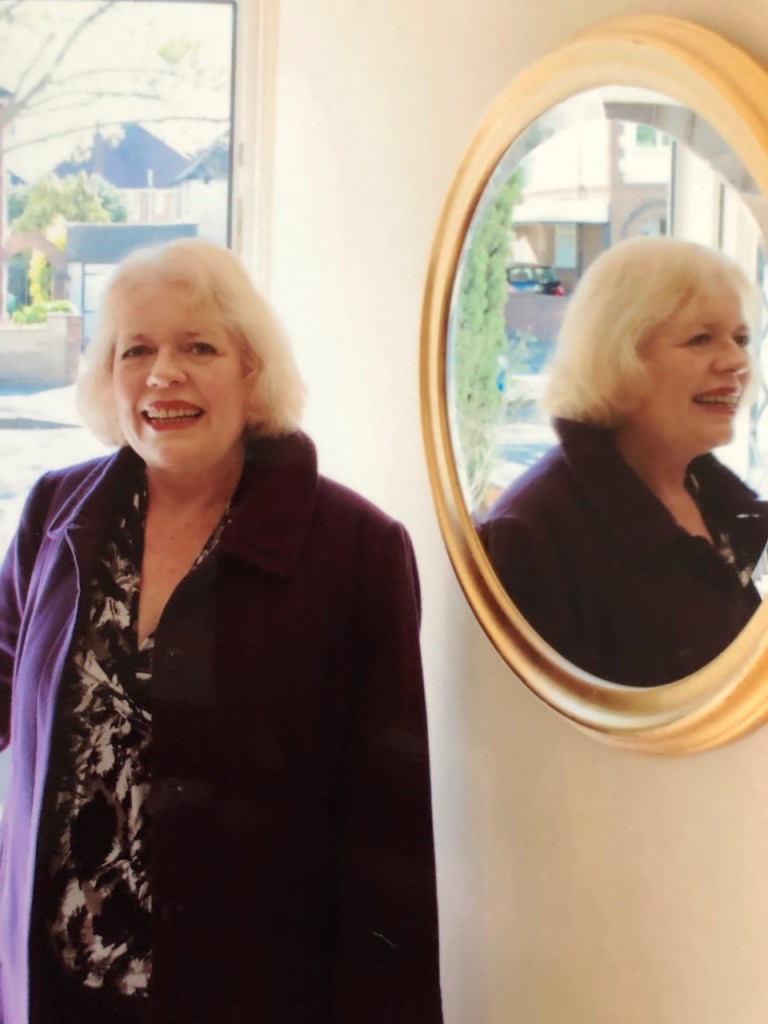
AND YES, TRISHA REALLY DOES LOOK AS GLAMOROUS AS THIS!

I LOVE POEMS OF EVERYDAY THINGS, ABOUT OBJECTS AND TASKS THAT’S SIMPLY PART OF OUR LIVES. CLEVER TRISHA HAS REALLY HIT THE NAIL ON THE HEAD WITH THE CHORE OF IRONING, AND HOW TENDER WE CAN FEEL ABOUT THESE RITUALS.

I HOPE YOU LIKE IT AS MUCH AS I DID

Still warming to you

The iron presses down on sheets

the size of sails.

Rain pelts the windows

with intent.

Steam hisses,

creases resist,

my mind wanders

safely,

cocooned in our mortgaged kitchen.

I picture your face,

or try to,

catch the threads of your voice,

not well,

smell the fresh air;

think that I remember

it all.

And when I do

I realise,

that after all this time

I’m still

warming to you.

Trisha Broomfield 2020

TRISHA’S LATEST COLLECTION WHEN PETER SELLARS CAME TO TEA PUBLISHED BY DEMPSEY & WINDLE IS AVAILABLE NOW.

Wasn’t that stunning?!

So good for the soul. Keep them coming, Trisha.

Tune in same time, same channel. No flipping!

Interview!!

(Rapturous applause)

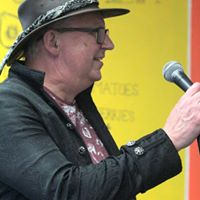
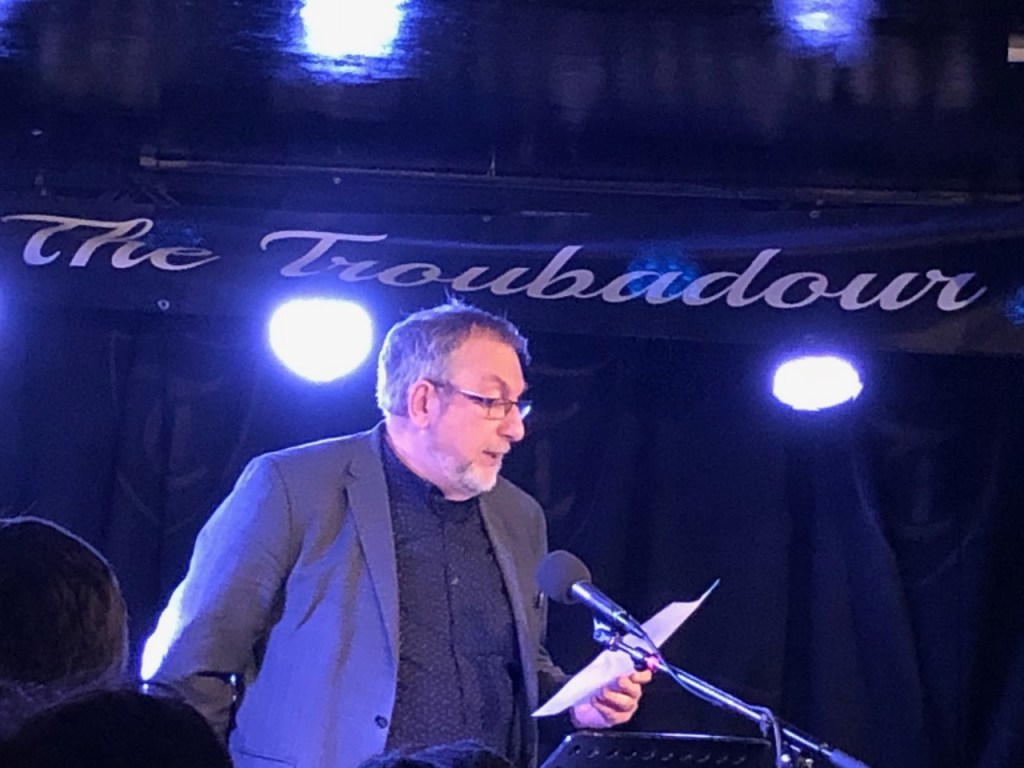
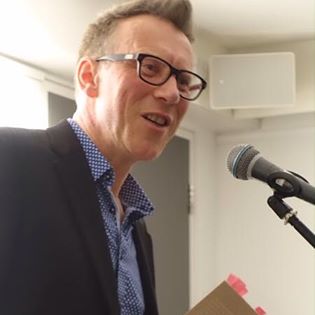
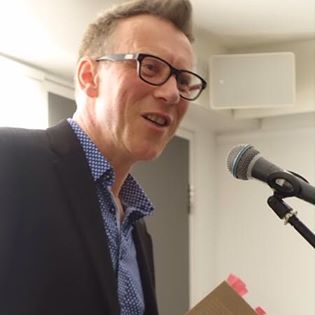
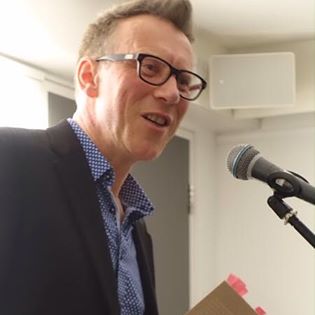
Thank you everyone, it’s that time again. Today we have an interview with the talented and awesome Thomas McColl.

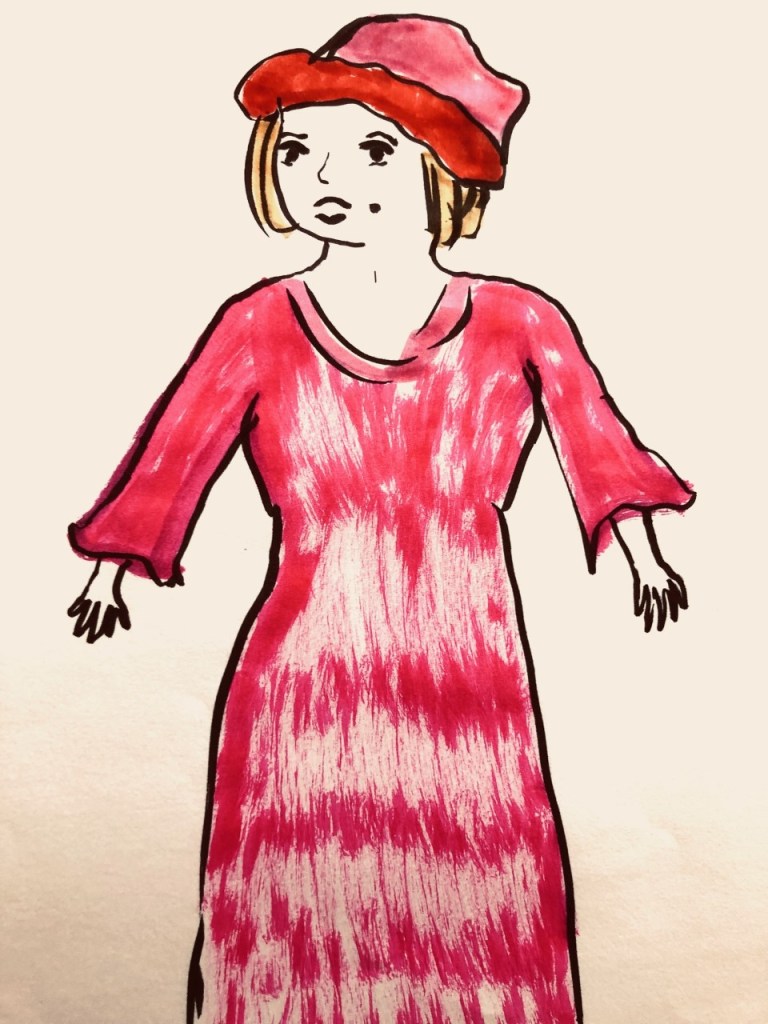
Welcome Tom (pandemonium from the studio audience) Take a seat, Tom. LOVE those platform shoes but you came a bit of a cropper down those stairs!

– Yes, I may not get to the discotheque after all!

(The Host brutally sweeps everything off her desk with her arm. The guest poet turns pale)

Yes, Tom, be afraid, be very afraid. It’s down to brass tacks now..(audience gasp)

So, tell us a bit about yourself

I’m a poet and short story writer who’s so far released two poetry collections – ‘Being With Me Will Help You Learn’ (2016), and ‘Grenade Genie’ (published in April this year) – and I live in Stratford, East London, with my partner, Firoza and cat, Silky.

I’m 49 and although born in Hammersmith, we moved to Birmingham when I was 2. By the age of 20, I became a student and returned to my birthplace to attend The University of North London where I studied History. After graduating with a 2:I, I was a City banker, then bookseller then ended up working at the House of Commons. I started off at the Parliamentary Bookshop, then moving to the Vote Office in the Palace itself.

Wonderful!

When did you discover your affinity with poetry?

It was while I was living in Birmingham, my first publication was at the age of 17, in 1988, in the West Midlands Arts magazine, People to People with a poem entitled ‘Upon Leaving the Clean Bathroom Life’, and for that piece, I was paid the princely sum of £10.

Although things went downhill from there, my course was set. I’d always enjoyed writing, and from a very young age, loved the idea of writing a best-selling novel. I discovered my affinity with poetry when I realised I didn’t have the energy/staying power/confidence to actually write one. At least with poetry, I could learn how to write, edit and start getting published and build up a track record. Thirty years later, I’m still attempting to do that!

So am I, my sweet! I know that journey well!

Which contemporary poets do you admire?

There are various poets on the scene who I admire (including your good self, Heather) blush! and none of us (unbelievably) are famous. Sometimes I’ll look at contemporary poets who are, and I’ll wonder why, as when I read their poems, I always think they’re not that good. But what can we do? While the world as ever, ignores true genius in favour of charlatans, poets of our calibre will never be appreciated in the way that we deserve to be (standing ovation from the audience).

Well said, Tom.

Your second collection Grenade Genie has been well-received, deserverdly so, tell us how you conceived its powerful 4 chapters – Cursed, Coerced, Combative and Corrupted.

Thank you, Heather, and yes, it has to be said, it has been well-received – including on your very own Poetry Basket Revewis page (which I was thrilled about and is very much appreciated) – and as you say, the book’s divided into 4 sections/chapters, per the book’s very alliterative subtitle: ’25 Brief Studies of the Cursed, Coerced, Combative and Corrupted’.

And the reason I’ve been able to divide ‘Grenade Genie’ up like that is that there’s a very definite theme running through the whole of the book – this idea that, ultimately, everyone and everything is expendable, but while this knowledge can generate either a sense of hopelessness or the nothing-to-lose strength to rail against it, one strength of poetry is that even if only the former gets expressed, the latter is automatically achieved, and that’s the thing: sometimes you just go for it and do something, make a stand, even if the situation really is hopeless – and the book’s grim-sounding sub-title is very definitely borne out of that.

In the last few years, I’d been starting to write poems which were much more political and trying to make sense of the world we’re in, and I soon discovered that a fair number of these poems could form a collection, one that I envisaged being assembled into sections under one broad theme, though it was only pretty much just before I submitted to Fly on the Wall Press that I actually came up with what turned out to be a very alliterative subtitle, and if nothing else, it’s definitely dramatic!

Well, it worked Tom, it built it up into a very powerful collection. My actual favourite is The Greatest Poem. What’s yours?

I think that probably is the best poem in the book – it’s certainly the most ambitious – and it’s been the best received, both by readers and reviewers. I even ended up getting on to the BBC Radio Kent (on the Leo Ulph show) as a result of sending an audio recording of that poem in. The poem refers to the Nayland Rock Shelter in Margate where, in 1921, T. S. Eliot wrote much of The Wasteland, the greatest poem of the 20th Century. In the poem, I state my intention to visit the shelter in 2021, on the 100th anniversary of that great event, in the hope that I’ll end up writing the greatest poem of the 21st Century. Then I started worrying that the inverse may hapen and I’ll end up writing the worst poem of the 21st Century!

My personal favourite of the collection though, is ‘The Phoney War’ which is ostensibly a simple poem about two young brothers in the 1970s, in their living room, playing at being WWII Tommies fighting the Jerries. It took a long time, and many drafts, for me to get the ending right, but I seem to have managed it, as various reviews of the book have described the poem’s ending as ‘devastating’ and ‘heart-wrenching’, which was very much the effect I wanted to achieve. Especially as it’s based on a true event, so the ending isn’t just a device, it’s something real, something that was really felt by the person concerned.

Gosh, Tom, that ending was so moving. Those memories of the war were still very painful for some in the Seventies.

Now, you’re an experienced performer of poetry, what is the best live gig you have done so far?

My feature slot at Write Out Loud Woking last September was probably the best. I felt relaxed and confident, and everything flowed perfectly -the way I read the poems, what I said between the poems, and the reaction of the lovely friendly audience (which included you, Heather. Thank you so much for making me feel so welcome!). It feels so long ago now, especially with us having lockdown which has made everything feel from another age! I guess we’ll soon bounce back to normality, and it’ll be like lockdown never happened (he says unconvincingly).

I was honoured to be there, Tom. You were so sharp and witty and astute. A stunning night that was. I’m almost loathe to ask this, but what was your worst poetry gig?

Yes, I was bracing myself for that! My worst one was back in 1996, at a poetry night called The Hard Edge Club, which had run for much of the 80s in Soho and, after a lengthy hiatus, was being revived. Two of the organisers, Tim Wells and Joe Cairo, came along to the open-mic event Poetry Unplugged and, picking out the best performers, asked those people perform at their re-launch. I was there, but wasn’t singled out, but I still went along, and as it turned out, none of the people they’d picked had turned up. So there I was, the only poet – abiet someone who’d invited himself – and though I was painfully shy, with little charisma and my poems a little half-formed, Joe and Tim agreed, on account of me being the only person to turn up to the relaunch, to give me my first paid gig the following week for what would now be the relaunch of the relaunch.

Well, that first paid gig went okay, and I went along a few more times as an open-micer as audiences picked up, and Tim gave me a second paid spot. However, I decided this time, to try to be like the performance poets who dominated proceedings and memorise all my poems and think of lots of things to say in between them. On the night I just couldn’t do it – I froze on stage, forgot my lines, and started talking gibberish – I just didn’t have the temperament, or the necessary talent, at the time to cut in on what was fast turning out to be a raucous take-no-prisoners event, where some of the people who’d end up becoming well-known performance poets in years to come were starting to make their names (that year, even John Cooper Clarke appeared there, at the start of what was to be a successful comeback). But sometimes biting off more than you can chew – and in the process, making a prat of yourself – can lead to good things.

Already, by that point, Tim had published me in the latest issue of his new magazine Rising, and though I no longer went to The Hard Edge Club, whenever I sent Tim poems, he always wrote back with cheery friendly letters and published me four times in total, which really helped me to keep going through lean times in terms of the writing, and also means I can now say I was featured in what has become a legendary mag that had published early poems by spoken word legends such as Salena Godden, Nathan Penlington and Francesca Beard – but poems by the great Doctor John Cooper Clarke as well. So that definitely was a silver lining, and it’s always nice to end the worst on a happy note!

(A moment of awed silence, then loud applause) What an amazing story, Tom! That’s incredible! So bitter-sweet! Tom, I could talk to you all day but the discotheque is open now, so lets give this gifted poet a big round of applause! (Standing ovation, loud whistling etc) Now, Tom, I hope you’re coming along to boogie. Middle Of The Road do a jam session there sometimes, and K C and the Sunshine Band might look in!

Tom stands up, limping painfully in his high platform shoes.

Er – I think I’ll give it a miss tonight, Heather. Thanks anyway.

Wasn’t Thomas McColl a great guest?! Grenade Genie is available on http://www.flyonthewallpoetry.co.uk/product-page/grenade-genie-by-thomas-mccoll or that Amazon Cheers for watching, everybody. Stay tuned for the next post!

The Memory Corner

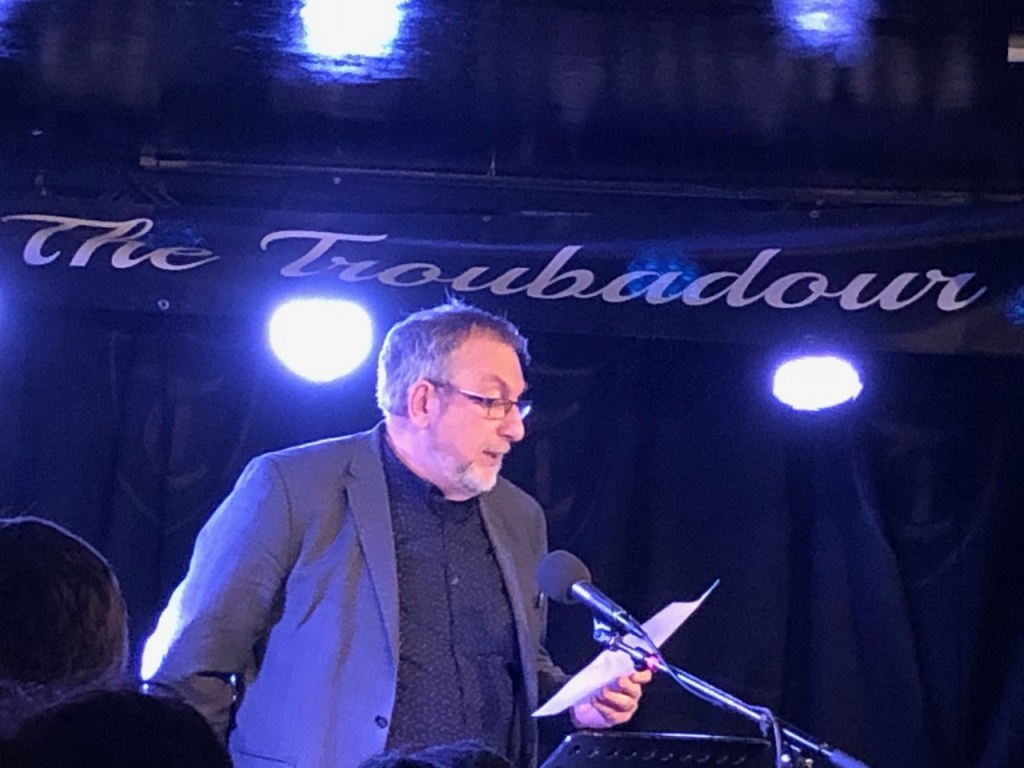
This is a picture of me walking into The Memory Corner, where I recall times past. When we could be in a room full of people and poets! I expect most of us took this for granted!

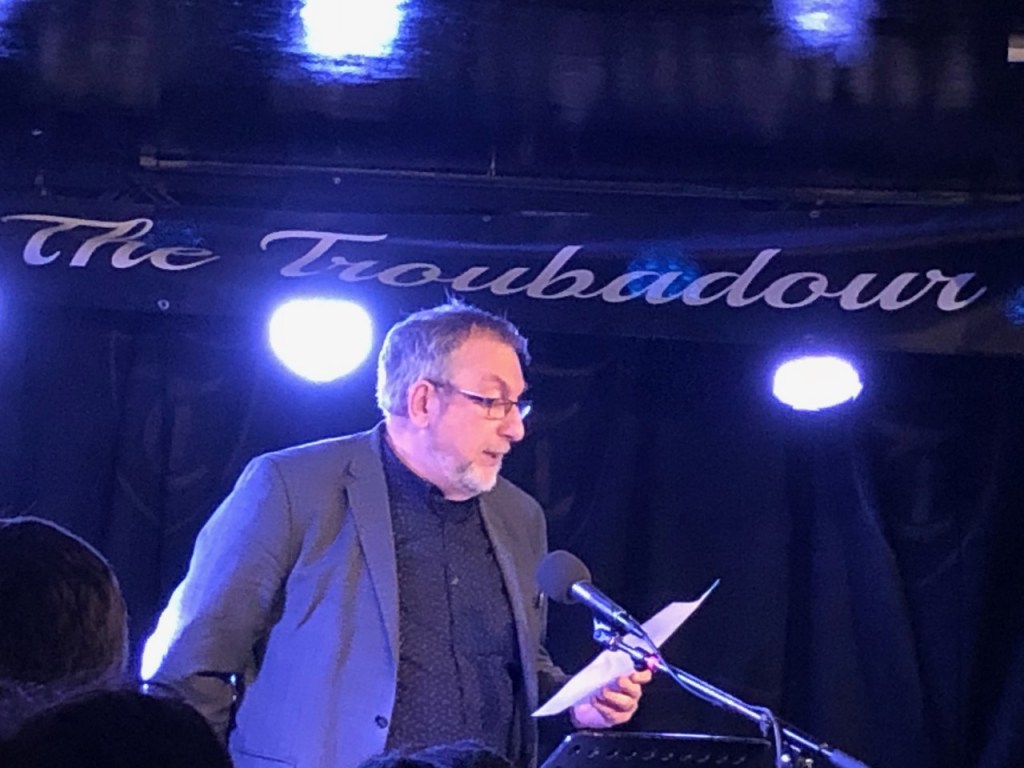
This is me reading ‘The Call’ by Jessie Pope at A Commemoration of the Armistice Centenary of the Great War: 1914-1918. This was on Sunday 11th November 2018 at The Coach House in Twickenham. It was a wonderful and unforgettable event.

Lumme! Where does the time go?!

Do they have online scrap books? Well, they do now!

Drop me a line through the contact page if you have any poetry memories you’d like to share.

WELL, KEEP TUNED FOR MORE MEMORIES AND AN INTERVIEW WITH THE INCREDIBLE POET, THOMAS MCCOLL. DONT TOUCH THAT DIAL!!!

Poetry Window….

HELLO, POETRY LOVERS EVERYWHERE,

THE POETRY WINDOW HAS RE-EMERGED, AND THROUGH THE GLASS I CAN SEE A WONDERFUL POEM BY PHIL WILLIAMS. PHIL HAS COME OUT THE OTHER SIDE OF A PRIVATE HELL, AND HERE HE IS WRITING POETRY LIKE A DREAM! KEEP WRITING, PHIL! NOW A REGULAR AT POETRY AT THE ADELAIDE, WE’RE LOOKING FORWARD TO HEARING MORE….

HAS YOUR BEST FRIEND EVER TRIED TO KILL YOU?
"WE BECAME BEST FRIENDS WHEN I WAS THIRTEEN. 
YOU GAVE ME SUCH COURAGE AND STRENGTH THE LIKE I HAD NEVER SEEN.

WHEN I LED THE SCHOOL TEAM TO VICTORY. 
YOU AND I PARTIED ALL NIGHT.  IT WAS A JOYOUS SIGHT. 

WHEN I GOT THE GIRL.
I GAVE YOU AN EXTRA TWIRL.

WHEN I GOT THE TOP UNIVERSITY PLACE. 
IT WAS ONLY YOU THAT PUT THE SMILE ON MY FACE.

WHEN I GOT THE WIFE, THE HOUSE AND THE CAR. 
YOU NEVER WENT VERY FAR. 

WHEN YOU HAD ME ON MY KNEES.
YOU TOOK AWAY ALL MY MONEY AND MY KEYS. 

WHEN YOU HAD ME CLOSE TO DEATH. 
EVERYONE COULD SMELL YOU ON MY BREATH.  

I LOVED YOU ONCE. 
AS I THOUGHT YOU LOVED ME.  

YOU TRIED TO KILL ME. 
BUT TODAY, WITH GOD'S GRACE, I AM FREE."

Phil Williams 


FABULOUS, PHIL, THANK YOU SO MUCH. 
 LOOK FORWARD TO HEARING MORE SOON.  
BACK SOON TAKE CARE 

Dobby Claws her Way Into Haiku

HELLO, POETRY LOVERS.

WHAT’S THAT, DOBBY? YOU’VE DONE SOME HAIKU? AND ILLUSTRRATED IT? FABULOUS! SHALL WE TAKE A LOOK?!

A GREAT EFFORT, DOBBY.

READ ON AND ENJOY…….

Embraced by the dawn

I wake up to the new day

cat jumps on the bed

A windy wash day

underwear pegged and drying

bird craps on the line

Dirty old kitichen

neglected bin full of rubbish

cat at the window

NOW, CAN YOU THINK OF A HAIKU FOR THE IMAGE BELOW? IT INVOLVES DOBBY AND THE KITCHEN AGAIN. SUGGESTIONS PLEASE VIA OUR CONTACT PAGE.

HAVE A LOVELY POETRY WEEKEND

Interview!!

Welcome to the Show, everyone. (rapturous applause).

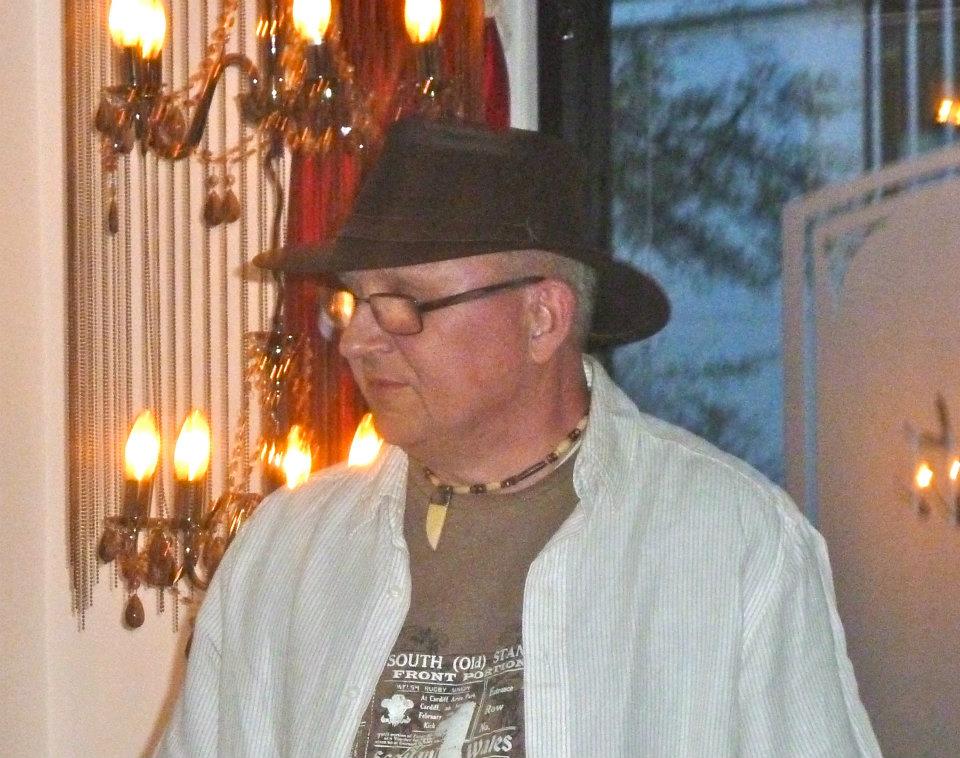
I am thrilled to have the talented, enigmatic Barney Ashton-Bullock as our poetry guest this week.

(audience get to their feet and applaud).

Okay, now calm down everyone, let Barney take the weight of his feet. Welcome to the show, Barney. May I say I love those orange Loon pants!

“Yes, Crimplene for Men, the only way to go!”

Gosh Barney, you are the Most!

(Barney glances at his digital watch)

Oh yes, right, I know you want to catch the Brentford Nylons sale before they close, so I’ll press on.

Now, Barney, you come from an impressive musical background. Tell us first about your very successful production of Torsten with the amazing Andy Bell

The Torsten project started in 2012 with my songwriting partner Christopher Frost and the idea was to create a song-cycle of poetic lyrics that the told the story of a polysexual, semi-immortal fictional character who was doomed by their longevity to loving many and losing all!

Having completed the song cycle and having met Andy Bell at the Mojo Magazine awards in 2012, Andy, Chris and I loosely formed a collective to straddle the worlds of pop poetry and theatrical performance. Our first album and theatre show ‘Torsten The Bareback Saint’ opened in 2014 at the Edinburgh Fringe Festival. Two years later, the second instalment, ‘Torsten The Beautiful Libertine’, opened at the Above The Stag Theatre which was followed by our third episode ‘Torsten In Queereteria’ in the Spring of 2019.

Well, Barney, I remember that magical night in 2016 going to Above The Stag and being blown away by Torsten The Libertine. And you’ve worked recently with Marc Almond?

Yes, I’ve worked with Marc Almond, in my day job as managing director of a small boutique record label, SFE Records, distributed through Cherry Red Records through which I publish the work of queer icons, cabaret music and new albums by established artists.

I signed Marc to my label in 2010 for his ‘Live At Wilton’s Music Hall’ album and he was with me for about eight years, but I still produce expanded reissue albums of Marc’s work. I think Marc Almond is an exceptional and singular song stylist and a cult figure who, against the odds, has become somewhat of a national treasure! It has been a great joy for me to have been able to bridge the gap between his major record deals.

So glad I’m seated because I’m swooning here. I also love Wilton’s Music Hall, as well as the talented Marc.

Now, at what point did you feel an affinity with poetry?

My affinity with poetry started at school when in English lessons, maybe once or twice a month, we’d dip into a textbook called ‘Touchstones’ which were sequential volumes of general poetry anthologies to introduce school kids to the form. These were my favourite lessons!

I also was drawn to the poetic language and the spoken word and this manifested in an obsession at an early age, with the very dense, poetic concision’s of speech that I encountered in theatre scripts by Pinter, Jim Cartwright and especially Stephen Berkoff.

The first poetry book I ever shoplifted was W H Auden’s ‘Collected Shorter Poems’ and from there I bounced in more unrefined and radical directions in my tastes, although I was somewhat inspired by the romanticism of Rupert Brooke and very much taken by the poetry of Harold Pinter and its sub-textual nuance.

Which poet influenced you the most?

So, the aforementioned poets and playwrights were those I encountered in my mid teens and by the time I took an A-level in English, my world had been opened fully in terms of an abiding love of poetry by having to study the magical ‘Selected Shorter Poems of Thomas Hardy’ as an A-level text. I identified with the thwarted romanticism and subdued resignation that imbued his sentience.

Hardy’s downbeat stoicism seemed in complete synchronicity with the landscape that, coming from Dorset, I was also inspired by. It would be remiss for me not to mention, in closing, the huge shift in sensibility that occurred on encountering both the work of Derek Jarman and the debut solo album by Morten Harket ‘Wild Seed’.

Oh what great influences, especially the wonderful Derek Jarman. Which contemporary poet do you admire?

I read contemporary poetry vociferously, my current favourites are Sarah Fletcher, Katherine Marys, Aaron Kent, Miggy Angel, Jamie Thrasivoulou, Matthew Walsh, Hannah Lowe, Bobby Parker, Arielle Twist, Richard Scott, Ella Frears and my dear friend, poet-polymath Jeremy Reed. I’m muchly looking forward to Jameson Fitzpatrick’s new book ‘Pricks In The Tapestry’.

Tell us how Soho Poetry Nights came about. You introduced us to a very high calibre of poets there.

Soho Poetry Nights came about when some friends and I graduated, so to speak, from the Faber Academy poetry courses some 3 years back. My good friend, Tania Wade, who works at the legendary artist hangout – the Maison Bertaux Gallery Patisserie in Soho, let me use the basement of her shop for an event at which, on graduating, the Faber Academy poetry classes came together to read their work aloud in front of each other. So, the genesis of Soho Poetry Nights was the Faber Academy graduates coming together with those people whom I had befriended at ‘The Society Club’ in Soho, which had a wonderful Friday night poetry salon run by Chip Martin. Sadly, that venue closed down some six months previously, but it was a coming together of those two groups of associates that formed Soho Poetry Nights.

There was indeed an extremely high calibre of poets. Many published poets performed with us, but it was those that we were able to nurture from within that I am particularly proud to be associated with, people like Sam Quill, Erik Brudvik, Polly McCormack, Jago Kasper Roberts, Lucy Lyrical, Heather Moulson (blush!), Lady Poe, Warren Czapa, Sophie Milner and Michael Dench among many others! We ran the nights from the perspective, not so much of the right for poets to be heard (which is important), but of the right of the audience not to be bored and so maintain an enchantment in and for the possibilities of poetry.

well, it certainly enchanted me, in fact, it changed my life. So, do you think Soho Poets will reform?

Deffo. We will re-form in a different way that may work a little better for what my interests currently are at this stage of my writing career. The plan is to gather around a convivial group of friendly, mutually supportive poets who love and respect their craft and the craft of others. It’s going to become more of an invite led collective as the core of Soho Poetry Nights always was. It’s just going to broaden out a little so that we can work on an ad hoc basis, get together socially and read our work, comment on our work and talk about what new poems and poets we are discovering and reading. Building up such trust is important. To have poet friends around you that you see on a semi-regular basis is inspiring in and of itself because when you’re working at the coalface of poetry. You’re mostly alone and that can be to the detriment of one’s sensibilities and mental health

Tell us about the Slip-Off Festival in September last year. It was very successful, but how much of a gamble was it?

The Slip-Off Festival came about through a very kind invitation from an art gallerist in Cork Street for me to create a spoken word festival as an experiment to see if the Devonshire Road Nature Reserve in Forest Hill, South London, could play host to such an event alongside its better established mini music festivals.

It was a very convivial event; I think we were let down slightly by lack of advertising on behalf of the venue, the threat of a downpour, and perhaps by Londoners in-built resistance to travel to what they assume as ‘the depths of South London’, but the event certainly delivered in spades of what was asked of it and well within budget. A memorable time was had by all; it was certainly a ‘had to be there’ event treasured by all of us who attended and participated.

Well, I certainly treasured it! A great and wonderful feast of talent that I’ll never forget! Now, your lovely new and very personal collection ‘Café Kaput!’ has been well-received. So this is the result of 10 years work?

‘Café Kaput!’ is my recent pamphlet and some of the poems go back to their first drafts over the last 10 years. However, when it came to compiling the work for the pamphlet, it was a very fast process of deciding what poems I wanted to include. Most of them were written alongside the ‘Andy Bell is Torsten’ shows and albums that I collaborated on and, so, the sensibility of those works imbues the collection. I think ‘Café Kaput!’ is very much an amalgam of personal experiences somewhat refracted through fears and phobias about queer loneliness.

How much would you say was relevant to your upbringing and hometown?

I’ve often said that although I graduated from Goldsmiths College back in the mid 90’s and have lived in London ever since, that I’ve never felt as though it was my home, such was the pull of my upbringing, particularly just before I left for London.

Then, I was living in Dorset, in the middle of the countryside and blissfully working in a very small seaside town’s record shop and studying for A-levels in a small local college. I do miss those days, an almost yearning for that stage of my life when it seemed that anything could be possible. It is one of the constant themes of my poetry; the sense of loss is indivisible in my mind from the Dorset landscape, so, in that sense, I often peddle a very personal psycho-geography in my poetry.

A record shop? Bliss!

My personal favourite is ‘Guest House’. What is yours?

My favourite poem in the book signifies one of those moments in which your writing career changes tack somewhat and you feel as though you have progressed in your craft. That poem is ‘Radipole – Out Of It (Deluxe)’ which I started writing in my mind immediately after my parents took me for a day trip to the childhood home of Thomas Hardy in my home county of Dorset. The poem is written about the kind of lads I left behind when I moved to art college in London in the early ’90’s.

It is no secret that some of the greatest poverty in this country exists in pockets of declined seaside resorts. Even in fairly affluent seaside resorts there is, demonstrably, an underclass of unemployed young people who often end up in a downward spiral of addiction and alcoholism. ‘Radipole’ is written with those in mind, disillusioned young men who, perhaps, lacked the life-chances to search for or attain a ‘better life’ and there’s the rub, because those of us who did leave in search of that ‘better life’ are often rendered homesick for having left an oftentimes more accepting, communitarian hometown to create a career in a city that can be, and very often is, as heartless, impersonal and competitive as London.

Well, Barney, you have blown us all away (rapturous applause and standing ovations)

And now, I have to call time. Thank you so much for coming in.

(Barney legs it out the studio very fast )

Well, that’s it for tonight and what a night! Goodnight, we’ll be back for another interview soon! Don’t touch that dial!!

Published by the high-profile Broken Sleep Books and is available on http://www.brokensleepbooks.com, and plain old Amazon. Plus follow Barney on Facebook or Instagram.

Something in the Poetry Basket…

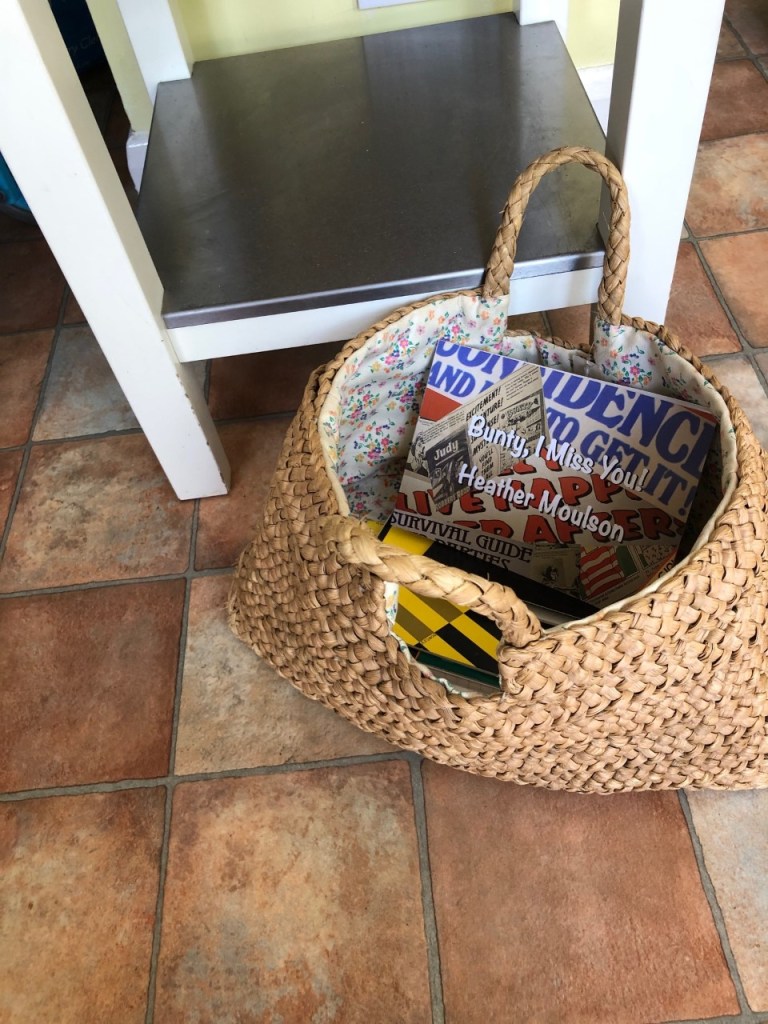
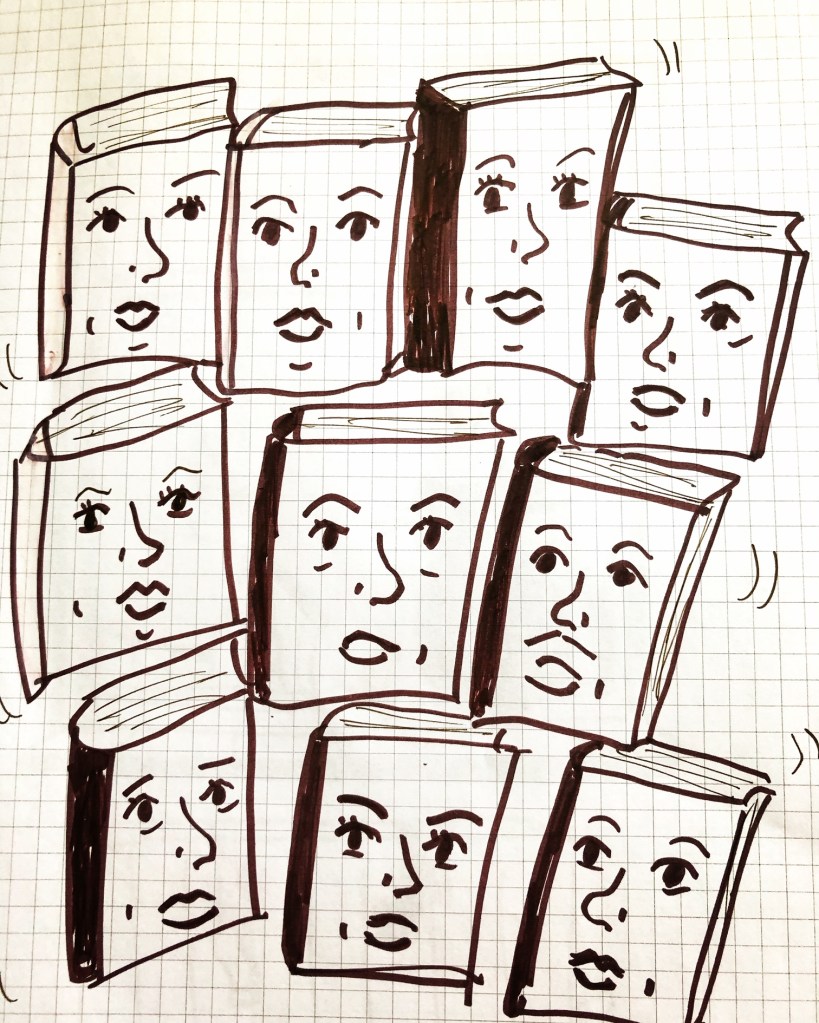
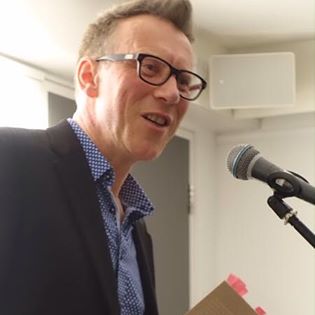
Yes! We have some wonderful items in the Basket today. If you look closely in the background of this picture, you will see a certain feline creature having a lie down after bringing the basket over. Well, there were a lot of books there! The basket contains two lots of news –
One is about Luther Poets.

Founded by the late and much missed Bob Sheed, this group, I’m delighted to say, has now started up again. In these significant and cautious times, email is their main force of communication. Later plans will include outdoor meetings and a Zoom presentation.

Once versed(!) in this experience of poetry interaction, other poets will be invited to join. I for one, can’t wait.

The second piece of news (the Poetry Basket is full of it today!), is that The Richmond Shakespeare Society will be presenting an exciting production called Sunshine After Rain where Barbara Lee and Anne Warrington will be performing in a series of monologues and poetry, written by members of the society to celebrate the long summer solstice. Running Order on Friday 3rd July (7.45 – 9.15 approx).

  • A LIFE PAUSE: WRITTEN AND PERFORMED BY BARBARA LEE
  • THE MAGNA CHARTER: WRITTEN BY MARRIOTT EDGAR AND PERFORMED BY DEREK STRINGER
  • A DALMATION DISASTER: WRITTEN BY JIM TRIMMER AND PERFORMED BY MURIEL KEECH
  • AN EXTRACT FROM THE DRESSER: WRITTEN BY RONALD HARWOOD AND PERFORMED BY CHRIS HADDOCK
  • THIRD CHILD: WRITTEN BY SUSAN CONTE AND PERFORMED BY LEA MASEBO
  • INTERVAL
  • THE LETTER: WRITTEN BY LYN RANDALL AND PERFORMED BY RACHEL BURNHAM
  • GATHERING NECTAR: WRITTEN BY BEN FRANCIS AND PERFORMED BY FRANCIS ABBOTT
  • LONG IN THE TOOTH: WRITTEN BY GENNI TRICKETT AND PERFORMED BY ANNE WARRINGTON
  • STICKY WICKET: WRITTEN BY FRANCIS ABBOTT AND PERFORMED BY JIM TRIMMER
  • BEASLEY AND THE PRINCESS MATILDA: WRITTEN AND PERFORMED BY KATE CLEELAND

Making Theatre in the Dark. will be available online via Zoom, which is free and simple to access via computer, laptop, phone or tablet. If you would like to watch or listen to any of the performances, please contact Harry Medawar  at themediavirgin@virginmedia.com